

Introduction
Early childhood education in the modern context represents a dynamic and evolving field that emphasizes the holistic development of young children during their formative years, typically from birth to eight years of age. This phase of learning goes beyond academic preparation and focuses on nurturing emotional intelligence, social competence, creativity, and cognitive growth. In a world shaped by rapid technological advances, early childhood education has become a cornerstone of educational reform, ensuring that children gain the skills and values necessary for lifelong learning and global citizenship. The modern approach to early childhood education integrates contemporary research from neuroscience, psychology, and pedagogy to create evidence-based practices that shape young learners’ minds and hearts. By redefining what it means to teach and nurture in the early years, societies are laying the groundwork for well-rounded, empathetic, and adaptable individuals.
Defining Early Childhood Education in the Modern Era
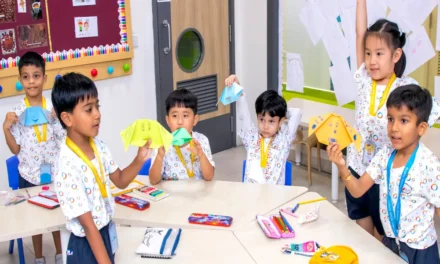
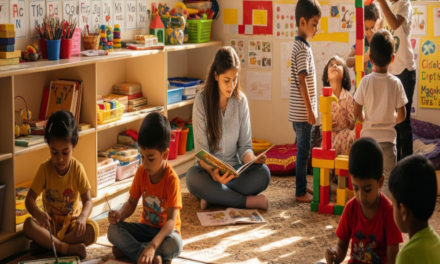
In the modern era, early childhood education is defined as the intentional and structured process of fostering developmental, social, emotional, and cognitive skills in young children through interactive, play-based, and inclusive learning experiences. It is not limited to early literacy or numeracy instruction; rather, it is a comprehensive system of learning that embraces the whole child. Modern early education recognizes that every experience a child encounters during these years profoundly shapes neural pathways and lifelong habits of mind. The approach has shifted from rote learning to holistic, inquiry-driven engagement where children learn by exploring, questioning, and expressing themselves. Educators act as facilitators who guide curiosity and discovery rather than instructors who impose rigid curricula.
Changing Paradigms in Early Education
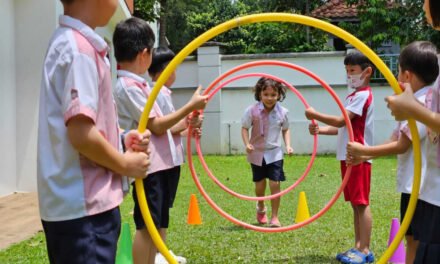
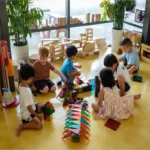
Traditional early education primarily emphasized classroom-based instruction focusing on basic subjects such as reading, writing, and counting. In contrast, the modern paradigm values experiential learning, where play, imagination, and exploration form the essence of education. Play-based methodologies are now widely regarded as the optimal avenue for learning, allowing children to develop problem-solving and social interaction skills in natural contexts. This transition reflects evolving understandings of child development: learning is most effective when it engages both the mind and emotions. Modern education systems now focus on building environments that encourage collaboration, creativity, and empathy, recognizing these skills as crucial foundations for later academic and personal achievement.
Integration of Technology in Early Childhood Education
Technology has quickly become an integral part of early education in the 21st century, serving as both a tool for teaching and a medium for exploration. When used appropriately, digital tools enhance interactive learning through visual, auditory, and tactile experiences. Technology enables children to engage with complex ideas through interactive games, storytelling apps, and virtual simulations. Moreover, it offers educators innovative assessment techniques to track progress and personalize learning experiences. However, responsible integration remains essential—technology should supplement, not replace, genuine human interaction. Balanced use encourages digital literacy from an early age while preserving the importance of play, conversation, and emotional connection that form the backbone of early life learning.
The Role of Educators in Modern Early Learning
Educators of the modern era are multi-dimensional professionals who are not only instructors but also mentors, observers, and nurturers. They curate diverse learning environments where each child’s unique background, ability, and developmental pace are respected. Teachers now employ differentiated instruction to accommodate varied learning styles—auditory, visual, kinesthetic, and linguistic—ensuring inclusivity and engagement. Modern educators must also be emotionally intelligent, culturally aware, and equipped with technological proficiency. Continuous professional development and reflective teaching practices form a crucial part of their roles. The quality of teacher-child interactions plays a direct role in shaping confidence, resilience, and curiosity—qualities fundamental to lifelong learning success.
Inclusion, Diversity, and Equity in Early Childhood Education
Contemporary early childhood education places a strong emphasis on inclusion, diversity, and equity, ensuring that all children—regardless of gender, ethnicity, language, or ability—receive equal opportunities to learn. Inclusivity celebrates differences as sources of strength and learning rather than barriers. Modern educators design curricula that incorporate multicultural perspectives, ensuring that children grow up with awareness and respect for global diversity. Inclusive environments also accommodate children with disabilities by providing adaptive tools, specialized support, and personalized learning strategies. By modeling acceptance and empathy early, children learn that diversity enriches communities and that equity is integral to a fair and compassionate society.
Parental and Community Involvement in the Modern Context
Modern early education frameworks acknowledge that learning extends beyond institutional walls. Strong partnerships between parents, caregivers, educators, and communities are vital for sustaining a child’s holistic development. Families are no longer seen as passive participants but as co-educators. Regular communication between schools and families helps align home experiences with school-based goals, creating continuity in children’s development. Community participation further strengthens early education by connecting families to local resources, libraries, museums, and cultural events that reinforce experiential learning. Schools increasingly adopt family-centered policies, offering workshops and family activities that empower parents to actively engage with their child’s learning journey, thereby enriching educational outcomes.
The Science Behind Early Development
Scientific advances have deeply influenced modern early education philosophies. Neuroscientific research reveals that the brain develops most rapidly during the first five years of life, forming millions of neural connections influenced by interaction, nutrition, and environmental stimulation. These discoveries highlight the significance of early intervention and responsive caregiving in shaping intelligence, emotional stability, and social competence. A child’s experiences—whether positive or negative—leave lasting neurological imprints that affect learning and behavior throughout life. Consequently, modern curricula integrate sensory-rich and emotionally supportive experiences that strengthen memory, reasoning, and creativity. Educators trained in developmental science ensure that learning aligns with biological and psychological needs, maximizing each child’s potential through appropriate stimulation.
The Emphasis on Social and Emotional Learning
Social and emotional learning (SEL) has emerged as a central pillar of modern early childhood education. SEL focuses on helping children understand emotions, build empathy, and develop interpersonal relationships. It recognizes that emotional intelligence is as critical as intellectual ability. Programs designed around SEL teach children to manage emotions constructively, cooperate with peers, solve conflicts peacefully, and build self-confidence. These skills form the emotional foundation necessary for academic success and mental well-being. In an era of increasing social complexity, early integration of SEL builds resilient and emotionally mature individuals capable of navigating challenges with empathy and self-awareness.
Balancing Academic Skills with Life Competencies
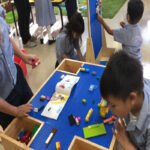
Modern approaches to early education emphasize balance between academic knowledge and essential life competencies. Rather than fixating solely on literacy and numeracy goals, curriculum frameworks now embed critical thinking, communication, collaboration, and adaptability. The emphasis is on cultivating curious minds that can innovate and respond to diverse challenges. Activities such as problem-solving games, storytelling sessions, outdoor exploration, and art-based learning integrate creativity with cognitive rigor. These approaches prepare children not just for formal schooling, but for lifelong adaptability in a world that demands flexibility and teamwork. Life skills education also includes values like respect, responsibility, and self-discipline, which define character as much as intellect.
Global Trends and Policy Implications
Globally, early childhood education has gained recognition as a vital component of national development. Policymakers increasingly view early learning as both a social investment and an economic imperative. Many nations have implemented universal pre-primary programs to ensure equitable access, especially for marginalized populations. International research emphasizes that early investments yield substantial long-term returns through improved productivity, reduced welfare dependency, and lower crime rates. Governments and NGOs now collaborate to improve teacher training, infrastructure, and standardized learning frameworks. This shift reflects global acknowledgement that early childhood education is a human right and a driver of societal progress.
Challenges and Future Directions
Despite growing recognition, challenges persist in achieving quality and equality in early education. Socioeconomic disparities, underfunding, inadequate staff training, and lack of standardized curriculum design continue to affect program effectiveness. Additionally, commercialization risks reducing early education to a market-driven enterprise rather than a developmental necessity. Addressing these challenges calls for sustainable policy frameworks, research-backed pedagogical innovation, and public-private partnerships. The future of early childhood education lies in finding balance—between technology and human interaction, structure and flexibility, tradition and innovation. As new sciences, technologies, and sociocultural realities emerge, modern early education must evolve while preserving its timeless goal: nurturing children to become empathetic, capable, and thoughtful global citizens.
Conclusion
Early childhood education in the modern context encapsulates a progressive, inclusive, and science-informed approach to learning that values the complete development of every child. It serves as the foundation for a lifetime of intellectual curiosity, emotional intelligence, and social responsibility. By integrating play, technology, inclusion, and emotional well-being, modern early education goes far beyond traditional academics—it cultivates empowered individuals capable of contributing meaningfully to society. The interplay between educators, families, communities, and policies forms the framework that sustains this transformation. As the world advances, the future will depend largely on how effectively societies invest in the formative years, shaping not only individual destinies but the collective human story.
Hashtags
#EarlyChildhoodEducation #ModernEducation #ChildDevelopment #PlayBasedLearning #HolisticEducation #ParentEngagement #InclusiveLearning #SocialEmotionalLearning #BrainDevelopment #TeacherTraining #CreativeLearning #EducationalInnovation #FutureGeneration #EducationForAll #GlobalEducation #21stCenturySkills #LearningThroughPlay #ChildhoodDevelopment #CognitiveGrowth #EarlyLearningPrograms #EducationEquity #LifelongLearning #EmpathyInEducation #ChildFocusedLearning #HolisticGrowth