
Introduction
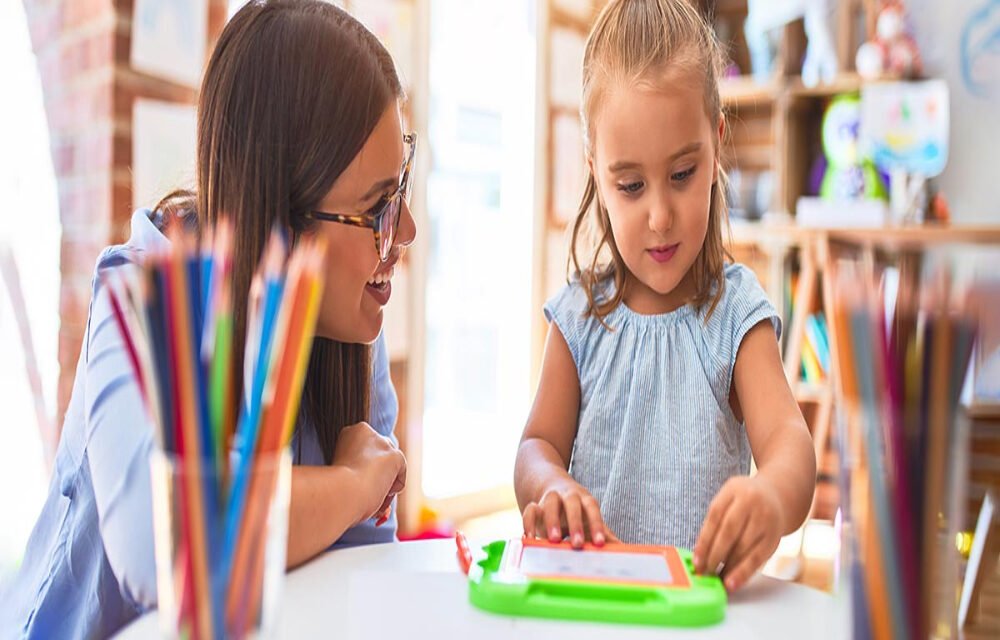
Holistic child development refers to an educational and caregiving approach that recognizes and nurtures the complete range of a child’s growth, including physical, emotional, social, cognitive, and moral dimensions. It goes beyond academic achievement and focuses on developing all aspects of the child’s personality, potential, and well-being. This approach promotes the idea that every child is a unique individual whose development cannot be compartmentalized into isolated segments. Instead, real growth occurs when various domains of development work together in harmony, supported by a balanced environment at home, school, and community. The concept of holistic child development reflects a shift from a narrow academic focus toward a more comprehensive understanding of childhood as a foundation for lifelong learning, emotional resilience, and moral integrity.
Understanding the Concept of Holistic Development
Holistic development is based on the belief that a child’s mind, body, and emotions are interconnected, and growth in one area influences progress in another. It recognizes that academic intelligence alone does not determine success or happiness in life. For instance, social and emotional intelligence play a critical role in how children interact with others, handle challenges, and develop self-esteem. Physical health affects concentration and motivation, while moral values shape ethical decision-making. Therefore, holistic education encourages experiences that promote balanced development across all these areas, ensuring that children become not just knowledgeable, but also compassionate, self-aware, and adaptable individuals. This approach aligns with both modern psychological theories and traditional philosophies that view education as a process of shaping the whole person.
Physical Development as the Foundation of Growth
Physical development forms the basis of overall growth, as it affects a child’s ability to engage in learning, play, and social interaction. It includes fine and gross motor skills, body coordination, sensory development, and health awareness. Encouraging children to engage in physical activities such as running, jumping, climbing, and dancing not only strengthens their muscles and bones but also enhances spatial awareness and coordination. Nutrition also plays a vital role in promoting physical well-being and brain development. A balanced diet and adequate sleep support growth and cognitive functions, directly influencing concentration and stamina. In a holistic system, physical education is integrated with academics, ensuring that movement, sports, and mindfulness practices like yoga contribute to both physical fitness and mental balance.
Cognitive and Intellectual Development
Cognitive development refers to how children think, explore, and understand the world around them. It encompasses processes such as memory, attention, reasoning, and problem-solving. From early childhood, children exhibit natural curiosity and a desire to discover patterns, ask questions, and make connections between ideas. Holistic development encourages educators and parents to nurture this curiosity through experiential learning and discovery-based education rather than rote memorization. Activities such as storytelling, puzzles, experiments, and creative arts stimulate intellectual engagement and critical thinking. Moreover, integrating subjects across disciplines—linking science, art, and language—helps children see the interrelation between knowledge areas, fostering deeper understanding and cognitive flexibility. The aim is to develop strong thinking skills that enable learners to analyze, evaluate, and innovate rather than simply recall information.
Emotional Development and Self-Awareness
Emotional development is central to holistic growth because it influences how children manage stress, relate to others, and build self-confidence. Teaching children to identify, express, and regulate their feelings is essential for fostering emotional intelligence, which in turn supports healthy interpersonal relationships. Holistic education creates emotionally safe spaces where children are encouraged to share their thoughts, fears, and achievements without fear of judgment. Strategies such as mindfulness, empathy-building exercises, and reflective practices help students understand their emotions and cultivate resilience. Through consistent emotional support from caregivers and teachers, children develop a strong sense of self-worth and empathy, allowing them to approach challenges with optimism rather than anxiety.
Social Development and Interpersonal Skills
Social development refers to the process by which children learn to communicate, cooperate, and build relationships within their communities. It includes learning respect, teamwork, conflict resolution, and effective communication. In a holistic framework, social learning is not confined to structured lessons but is embedded in daily interactions and collaborative activities. Group projects, cooperative games, and shared responsibilities foster trust and mutual understanding. Exposure to diverse cultures, ideas, and values encourages inclusivity and social awareness. By participating in group discussions and community service, children learn to appreciate different perspectives, building tolerance and compassion. Developing social competence prepares them for life in a global society that values respect, empathy, and cooperation.
Moral and Ethical Development
Moral development involves nurturing a child’s understanding of right and wrong, fairness, integrity, and responsibility. It plays a crucial role in forming ethical citizens capable of making moral judgments and contributing positively to society. Holistic education integrates moral instruction not through rigid rules but through everyday examples, storytelling, and value-based activities. Teachers and parents act as role models, demonstrating honesty, kindness, and empathy through their behavior. Encouraging children to reflect on moral dilemmas and discuss ethical issues helps them internalize strong moral values. The development of conscience, compassion, and respect for others forms the ethical foundation necessary for meaningful human relationships and social harmony.
Cultural and Creative Development
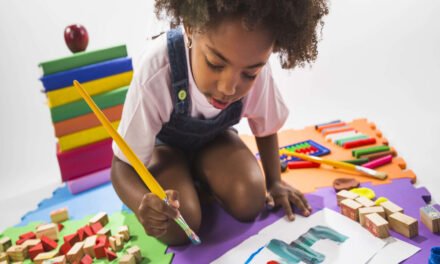
Cultural and creative growth is often considered the heart of holistic education because it allows children to express individuality and connect with their cultural roots. Artistic expression through music, drama, drawing, and dance stimulates both imagination and emotional communication. It encourages children to explore ideas in non-linear ways, enhancing cognitive flexibility and creative thinking. Exposure to different cultural traditions, languages, and histories cultivates respect for diversity and a sense of belonging. By incorporating art and culture into the learning process, educators promote not only creativity but also cultural literacy—helping children appreciate the interconnectedness of global traditions and human experiences.
The Role of Environment and Relationships
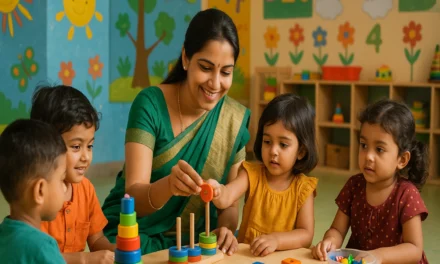
A supportive environment is essential for holistic child development. Children learn best in settings where they feel secure, valued, and understood. The role of parents, teachers, peers, and the community cannot be overstated. Positive relationships serve as a foundation for self-esteem, motivation, and emotional security. In holistic education, home and school collaborate closely to ensure that learning experiences are consistent and meaningful. Classrooms are designed as nurturing spaces filled with opportunities for exploration, inquiry, and collaboration. Equally important is the emotional climate where respect, patience, and encouragement guide interactions. When children experience consistent care and positive guidance, they develop trust and confidence, enabling them to take initiative in their own learning journey.
Integrating Mind, Body, and Spirit
Holistic education also emphasizes spiritual development—not necessarily in a religious sense, but as the nurturing of inner peace, purpose, and connection to life. It encourages children to ask deep questions, reflect on their values, and appreciate the beauty of nature and humanity. Practices such as meditation, mindful breathing, and time in natural settings enhance self-reflection and empathy. This integration of mind, body, and spirit encourages children to perceive education as a lifelong journey toward self-discovery and harmony with others. It aligns personal well-being with the broader vision of social and environmental awareness, creating responsible and compassionate individuals who value sustainability and human dignity.
Challenges and Implementation Strategies
Implementing holistic development in education requires shifts in curriculum design, teaching philosophy, and assessment methods. Traditional education often emphasizes grades and standardized testing, which can limit creativity and individuality. Holistic models, on the other hand, value experiential learning, emotional expression, and moral reflection as integral parts of the educational process. Teachers must be trained to act as facilitators rather than mere instructors, guiding children to learn through participation, questioning, and discovery. Integrating music, art, critical thinking projects, and life skills education ensures balanced development. Additionally, involving families and communities strengthens the framework, as consistent support across environments reinforces the values of holistic growth.
Long-term Benefits of Holistic Child Development
Children nurtured under holistic frameworks tend to exhibit curiosity, adaptability, and emotional stability throughout life. They become self-driven learners capable of creative problem-solving, empathy, and leadership. Their balanced development enhances not just their academic performance but also their mental and physical well-being. As adults, they are more likely to form healthy relationships, act ethically, and make meaningful contributions to society. Holistic education thus lays the foundation for lifelong happiness, civic responsibility, and global awareness. It prepares individuals not just to make a living but to live purposefully, with mindfulness and compassion.
Conclusion
Holistic child development provides a comprehensive approach to understanding and nurturing children in all dimensions of their being. It views education as a process of cultivating balance among physical, cognitive, emotional, social, moral, and creative aspects. By recognizing the interconnectedness of these elements, it moves away from fragmented academic instruction toward fostering complete human growth. Children educated through holistic principles are better equipped to adapt to the complexities of modern life while maintaining kindness, curiosity, and integrity. They carry forward not just knowledge but wisdom and empathy, contributing to a more humane and harmonious world where learning becomes a lifelong pursuit of wholeness and fulfillment.
Hashtags
#HolisticChildDevelopment #Education #EarlyChildhood #CognitiveGrowth #SocialSkills #EmotionalLearning #MoralValues #WholeChildApproach #CreativeEducation #PhysicalHealth #ChildWellbeing #Parenting #Mindfulness #Empathy #CharacterBuilding #LifelongLearning #CulturalGrowth #PlayBasedLearning #PositiveEducation #SelfAwareness #YouthDevelopment #PersonalGrowth #HumanPotential #EducationForLife #HolisticLearning