

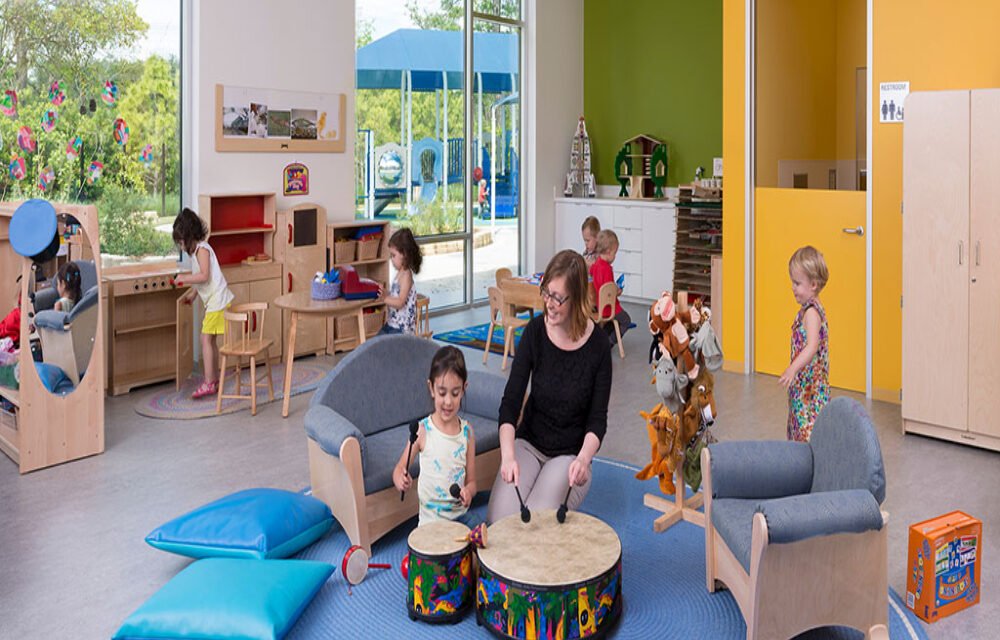
Governments worldwide are announcing new funding initiatives to improve child care infrastructure, recognizing the critical need for accessible, safe, and high-quality early learning environments. These investments are designed to expand the physical capacity of child care facilities through constructing new centers, renovating existing ones, and upgrading learning spaces to meet safety and developmental standards. Enhanced infrastructure directly supports increased enrollment capacity, allowing more families to access affordable and reliable child care services, which in turn enables workforce participation and economic growth.
Funding programs often prioritize projects that serve infants and toddlers, as these early years require specialized facilities that accommodate developmental needs and safety regulations. Many governments are also focusing on equity by directing resources to underserved communities including rural areas, Indigenous populations, and low-income neighborhoods, where child care shortages are most acute. This targeted approach aims not only to increase the number of care slots but also to close disparities in early childhood education access and quality, fostering broader social inclusion.
Alongside physical infrastructure improvements, governments are pairing funding with technical assistance and support programs to help child care providers navigate the complexities of construction, renovation, and compliance with regulatory standards. This integrated support is crucial for small and non-profit providers who often face financial and administrative barriers in accessing capital. By investing in both physical spaces and provider capacity, governments aim to create sustainable early childhood education ecosystems that deliver consistent, high-quality care.
The positive ripple effects of these investments extend beyond children and families to the broader economy and society. Quality child care infrastructure supports parental employment stability, reduces absenteeism, and promotes early learning outcomes which contribute to long-term educational attainment and workforce readiness. As governments continue to prioritize child care infrastructure in their budgets, these initiatives reflect a growing acknowledgment that investing in the earliest stages of education is fundamental to social well-being and economic prosperity.