
Early Literacy Development Begins Early
- Reading readiness starts with language exposure and developing vocabulary from birth to age 3.
- Pre-reading skills such as recognizing sounds, letters, and words typically emerge between ages 3 and 4.
- Children begin understanding the concept of books and develop an interest in stories by this age.
- Activities like singing the alphabet song and listening to nursery rhymes support early literacy.
- Creating a print-rich environment at home nurtures curiosity and familiarity with reading.
Signs of Readiness for Formal Reading Instruction
- Ability to recognize basic letters and associate them with sounds indicates preparedness.
- Following simple conversations fluently demonstrates comprehension skills linked to reading.
- Interest in storytelling, book handling, and retelling stories shows cognitive and verbal development.
- Showing curiosity about words, letters, and print in the environment signals readiness.
- Children usually show these signs between ages 4 to 6, varying individually.
Benefits of Starting Early at Home
- Introducing reading early encourages positive associations and a love for books.
- Early interaction with printed material helps develop phonemic awareness needed for decoding words.
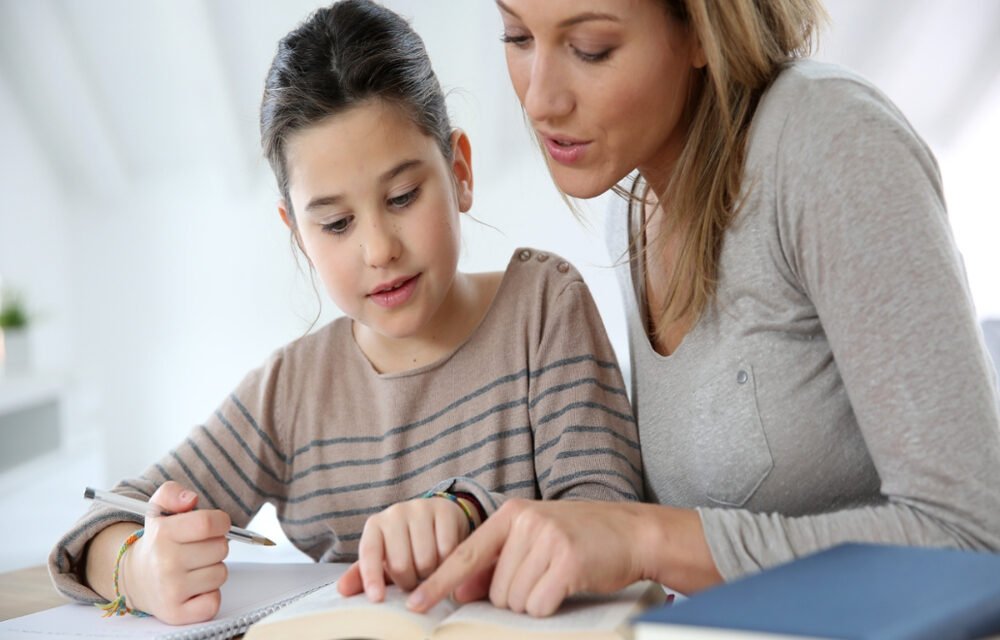
- Reading aloud builds listening skills, vocabulary, and comprehension from a young age.
- Shared reading times strengthen parent-child bonds and social-emotional development.
- Fun, playful reading activities reduce pressure and foster motivation to learn.
Avoiding Pressure and Emphasizing Enjoyment
- It is important not to rush formal reading but to follow the child’s interest and developmental pace.
- Making reading enjoyable rather than a task encourages lifelong learning habits.
- Using games, songs, and interactive media keeps children engaged and motivated.
- Understanding that every child’s timeline is unique helps prevent frustration.
- Encouragement and praise during the process build confidence and self-esteem.
Continuous Learning Beyond Early Childhood
- Many children learn to read proficiently during kindergarten or early primary school years (around 6 to 7 years).
- Reading development is a gradual process extending beyond the earliest years.
- Parents and teachers should support ongoing skill building through varied and rich reading experiences.
- Monitoring progress and seeking help if needed ensures children do not fall behind.
- Lifelong reading skills benefit from early foundations but are refined over time in formal and informal settings.