

Introduction
Effective teaching techniques in Early Childhood Education (ECE) are essential for laying the foundation of lifelong learning and development. In these formative years, teaching methods require a distinct approach that accommodates young children’s natural curiosity, developmental needs, and learning styles. Effective teaching in ECE environments is designed to engage children actively, respect their individuality, promote social interaction, and encourage exploration through play and hands-on experiences. These techniques help build essential cognitive, linguistic, emotional, and social skills, preparing children for successful transitions to formal schooling and beyond. To support holistic development and ignite a passion for learning, educators utilize a range of strategies that foster creativity, adaptability, and positive relationships within dynamic, nurturing settings. Understanding and implementing these methods is critical to ensuring every child thrives academically, emotionally, and socially from the earliest stages of education.
Play-Based Learning
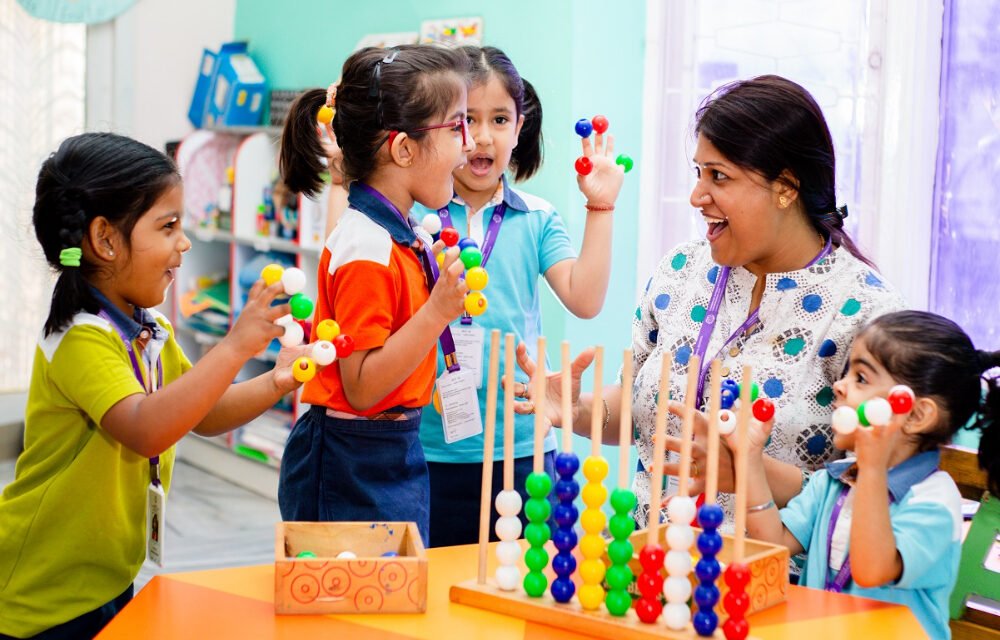
One of the most widely recognized and effective techniques in early childhood education is play-based learning. This approach is grounded in the understanding that play is the natural language of children and a powerful vehicle for learning. Through structured and unstructured play, children explore concepts, experiment with materials, and engage socially with peers. Play-based activities allow children to develop critical skills such as problem-solving, communication, cooperation, and creativity. For example, role-playing in a pretend grocery store encourages math skills, language development, and social negotiation simultaneously. This method supports active engagement and intrinsic motivation, as children learn best when they are having fun and directing their own exploration. Play-based learning also reinforces cognitive and physical development, making learning holistic and meaningful. Teachers facilitate this learning by observing children’s interests and providing diverse environments and materials to ignite curiosity.
Inquiry-Based and Experiential Learning
Inquiry-based learning invites children to ask questions, explore, and discover answers through guided investigation. This student-centered technique encourages active participation and critical thinking by nurturing children’s natural curiosity. Teachers create environments where children feel safe to experiment, test hypotheses, and reflect on their findings. Experiential learning complements this by involving children in hands-on activities that connect abstract ideas to concrete experiences. For instance, observing caterpillars transform into butterflies integrates science with sensory exploration and art. These approaches promote deeper understanding by linking knowledge with experience, moving beyond rote memorization. Inquiry and experiential learning enable children to develop skills such as reasoning, observation, and reflection—core competencies for lifelong learning. By fostering exploration over passive reception, educators support the emergence of independent thinkers and problem solvers.
Differentiated Instruction to Address Individual Needs
Children in early childhood classrooms display diverse learning styles, speeds, and interests. Differentiated instruction is a vital teaching technique that recognizes and respects this diversity by tailoring teaching approaches to meet individual needs. Teachers use visual, auditory, and kinesthetic methods to accommodate different learning preferences. They adapt tasks, materials, and pacing to ensure each child experiences success and challenge appropriate to their development. For example, while some children may benefit from hands-on manipulatives to learn mathematical concepts, others learn best through storytelling and songs. Differentiation also includes providing extensions for advanced learners and support for those who require additional help, ensuring inclusive education. By personalizing learning experiences, differentiated instruction nurtures confidence, motivation, and progress, preventing frustration and disengagement. Effective early childhood educators continuously assess and reflect on children’s needs to inform instructional adjustments.
Positive Reinforcement and Encouragement
Creating a nurturing and supportive classroom atmosphere is fundamental to effective teaching in ECE. Positive reinforcement techniques, such as praise, encouragement, and recognition of effort, contribute significantly to children’s motivation and self-esteem. Instead of focusing solely on outcomes or correctness, teachers emphasize persistence, creativity, and improvement. For example, recognizing a child’s persistence in completing a challenging puzzle fosters resilience and a growth mindset. Positive feedback helps children associate learning with joy and personal accomplishment rather than fear of failure. Furthermore, encouragement promotes safe risk-taking and experimentation, crucial for cognitive and emotional development. An emotionally supportive environment makes children feel valued and understood, enhancing cooperation and engagement. Teachers skilled in positive reinforcement build trusting relationships that form the emotional foundation for effective learning.
Two-Way Communication and Language Development
Effective communication between teachers and children is a cornerstone of early childhood education. Two-way communication techniques encourage children to express thoughts, ask questions, and share experiences, fostering language development and cognitive complexity. Educators use open-ended questions, active listening, and responsive dialogue to engage children in meaningful conversations. Storytelling, discussions, and group interactions expand vocabulary, improve comprehension, and develop conversational skills. Additionally, teachers maintain open communication with families, sharing progress and collaborating to support children’s learning and well-being. This holistic communication approach ensures continuity between home and school environments, reinforcing language skills and emotional security. By fostering rich linguistic exchanges, teachers strengthen children’s ability to think critically, articulate ideas, and build positive social connections.
Sensory and Multi-Sensory Learning Approaches
Young children learn best when multiple senses are engaged simultaneously. Sensory learning techniques incorporate tactile, auditory, visual, and kinesthetic experiences to stimulate brain development and reinforce concepts. Activities like sand and water play, musical instruments, textured materials, and movement games promote sensory integration while supporting fine and gross motor skills. Multi-sensory instruction enables children with different learning styles or challenges to access content more effectively. For example, combining visual cues with spoken instructions helps auditory and visual learners process information better. Sensory-rich environments also enhance concentration, memory, and emotional regulation by providing varied stimuli that maintain engagement. When integrated thoughtfully, sensory learning bridges abstract concepts and concrete experiences, deepening understanding and retention. This approach aligns especially well with play-based and experiential methods, making learning holistic and accessible.
Project and Cooperative Learning
Project-based learning encourages children to engage with content over extended periods, exploring topics of interest through investigation, creativity, and collaboration. This technique allows children to develop problem-solving, planning, and teamwork skills as they research, build models, or create presentations. For example, a class project on plants may involve growing seedlings, recording observations, drawing pictures, and sharing stories. Cooperative learning is closely related, emphasizing small-group interactions where children learn to communicate, compromise, and support one another. Both methods promote social-emotional growth alongside cognitive development. They encourage children to take ownership of their learning while benefiting from peer perspectives. Teachers serve as facilitators, guiding inquiry and reflection without dominating the process. These collaborative techniques foster community, deepen engagement, and prepare children for future academic and social challenges.
Teacher as Facilitator and Observer
In early childhood education, the teacher’s role shifts from a traditional instructor to a facilitator and observer. Teachers design rich, developmentally appropriate environments and carefully observe children’s interests, strengths, and challenges. Through observation, educators gain insight into each child’s learning style and progress, informing individualized support. Facilitators guide inquiry, pose reflective questions, scaffold learning experiences, and encourage autonomy rather than dictating content. They foster a culture of respect where children’s voices are heard and ideas valued. This approach promotes critical thinking, creativity, and self-confidence. Furthermore, teachers collaborate with families and professionals to ensure holistic development. Their flexibility, empathy, and responsiveness create nurturing classrooms that inspire every child to explore, innovate, and grow.
Conclusion
Effective teaching techniques in early childhood education are centered on engaging children actively, respecting their individuality, and fostering holistic development. Play-based learning, inquiry, and experiential activities allow children to explore concepts creatively and meaningfully. Differentiated instruction ensures that diverse learning needs are met while positive reinforcement bolsters motivation and resilience. Two-way communication strengthens language skills and deepens social-emotional connections. Sensory and multi-sensory approaches enrich understanding and inclusivity. Project and cooperative learning encourage collaboration, planning, and real-world application. Central to all these techniques is the teacher’s role as a facilitator and observer, guiding children’s natural curiosity and growth with sensitivity and respect. Together, these methods lay the groundwork for lifelong learning, academic success, and personal fulfillment by nurturing confident, capable, and joyful learners from the earliest years.
Hashtags
#EarlyChildhoodEducation #TeachingTechniques #PlayBasedLearning #InquiryBasedLearning #DifferentiatedInstruction #PositiveReinforcement #LanguageDevelopment #SensoryLearning #ProjectBasedLearning #CooperativeLearning #ChildCenteredLearning #TeacherFacilitator #HolisticEducation #ActiveLearning #ChildDevelopment #EarlyLearning #SocialSkills #CreativityInEducation #MotivationInLearning #LearningThroughPlay #EarlyChildhoodTeacher #InclusiveEducation #StudentEngagement #LifelongLearning #EarlyEducationStrategies