

Access and Convenience
- Online preschool models have increased access to early education, especially for families in remote or underserved areas.
- They offer flexible schedules accommodating parents’ varied work commitments.
- Technology enables personalized pacing and diverse learning materials.
- Programs can be more affordable, reducing financial barriers to quality preschool.
- However, effectiveness varies based on technology access and parental involvement.
Academic and Cognitive Outcomes
- Some research shows online preschool supports foundational literacy and numeracy skills moderately well.
- Digital tools promote engagement and interactive learning, which aids knowledge retention.
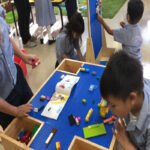
- Limitations exist in developing fine motor and hands-on skills without physical interaction.
- Virtual environments may lack the sensory richness crucial for early brain development.
- Outcome success often depends on program quality and adult facilitation at home.
Social and Emotional Development Challenges
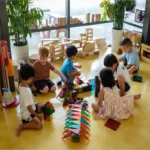
- Online preschool struggles to replicate in-person peer interactions critical for social skill growth.
- Children miss spontaneous play, group cooperation, and conflict resolution practice.
- Emotional bonding with educators may be weaker, affecting motivation and attachment.
- Parent-mediated guidance is essential but challenging, especially without strong support.
- Social skill deficits in online settings remain a primary concern among educators and families.
Parental Role and Support
- Effective online preschool heavily relies on engaged parents or caregivers to facilitate activities.
- Training and resources for parents improve children’s participation and learning outcomes.
- Unsupportive home environments or parental stress can undermine program effectiveness.
- Ongoing communication between families and educators enhances engagement and feedback.
- Parental digital literacy influences the ease of access and success of online learning.
Future Prospects and Hybrid Models
- Online preschool models show promise as supplements or alternatives where traditional programs are inaccessible.
- Hybrid models combining online and in-person elements may offer balanced benefits.
- Continuous innovation in EdTech aims to enhance sensory and social learning aspects virtually.
- Research stresses the importance of quality standards and adaptable curricula for online formats.
- Online preschool is unlikely to fully replace in-person learning but serves as a valuable complementary option.