

Introduction
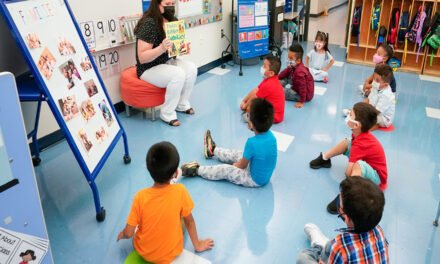
Storytelling is a timeless and universal method of communication that has been woven into every culture and society throughout history. In early classrooms, storytelling emerges as a powerful pedagogical tool that enriches the learning experience and fosters numerous developmental benefits for young children. From nurturing language skills to enhancing emotional intelligence, the act of sharing stories creates a dynamic environment filled with opportunities for children to explore, imagine, and connect. Because of its intrinsic appeal and multifaceted influence, storytelling has become a core component of early childhood education practices, aimed at fostering holistic development and a lifelong love of learning. Understanding the numerous benefits of storytelling helps educators, parents, and caregivers to utilize it effectively as a strategic approach to support children’s growth and learning.
Storytelling Enhances Language Development
One of the primary benefits of storytelling in early classrooms is its remarkable impact on language development. Listening to and participating in stories exposes children to rich vocabulary, sentence structures, and linguistic patterns essential for understanding and using language effectively. When children hear stories, they encounter new words in context, making vocabulary acquisition more meaningful and memorable. Furthermore, storytelling encourages active listening skills, which are foundational for comprehension and later literacy. Children often imitate language patterns they hear in stories, expanding their expressive abilities and improving pronunciation, syntax, and fluency. This oral language development provides the groundwork for reading and writing skills, making storytelling a vital instructional strategy in fostering early literacy.
Stimulating Cognitive Skills and Critical Thinking
Stories serve as cognitive tools that stimulate critical thinking, memory, and reasoning abilities in young learners. As children listen to stories, they practice sequencing to understand the order of events, which enhances their organizational skills. They also make predictions about what might happen next, encouraging foresight and deductive reasoning. Analyzing characters’ motivations and the consequences of their actions promotes problem-solving and analytical skills. Stories that involve moral dilemmas or conflicts require children to evaluate situations, fostering ethical reasoning and empathy. Cognitive development is further supported when children recall story details during discussions, which sharpens their memory and attention span. Overall, storytelling acts as a cognitive bridge that helps children process complex ideas and make sense of their environment.
Fostering Imagination and Creativity
Imagination and creativity are significant aspects of childhood development, and storytelling is one of the most effective ways to nurture these qualities. As children listen to stories, they are transported to imaginary worlds filled with fantastical characters, adventures, and scenarios. This imaginative engagement stimulates their cognitive flexibility and creative problem-solving. Children begin to envision new possibilities, invent alternative storylines, or create their own stories inspired by what they hear. Engaging with stories encourages divergent thinking, allowing children to explore ideas beyond the literal and the immediate, fostering original thinking. The act of imagining different worlds and characters also nurtures emotional resilience by allowing children to explore feelings and situations in a safe, fictional context.
Supporting Social and Emotional Learning
Stories provide rich opportunities for children to learn about emotions, social norms, and moral values. Through stories, children observe characters experiencing different feelings—happiness, sadness, anger, fear—and see how these emotions are expressed and managed. This helps children recognize and understand their own feelings and those of others, supporting social-emotional learning. Stories that feature characters overcoming challenges or demonstrating kindness serve as models for appropriate social behaviors. Discussing characters’ choices and feelings during storytelling sessions encourages children to develop empathy and compassion. Furthermore, storytelling can be a calming activity that helps children regulate their emotions, reduce anxieties, and feel safe expressing their own experiences and feelings.
Building Cultural Awareness and Diversity Appreciation
Storytelling is a powerful means of introducing children to diverse cultures, traditions, and perspectives. Through stories from various parts of the world, children learn about different lifestyles, beliefs, and values, fostering cultural awareness and respect. This exposure broadens their understanding of the world, encouraging tolerance and appreciation for differences. Sharing multicultural stories helps children develop a global perspective, acknowledging similarities and respecting differences. This feature of storytelling promotes inclusivity and combats stereotypes, contributing to the development of socially conscious and empathetic individuals. In multicultural classrooms, stories from diverse backgrounds serve as a bridge that connects children with their heritage or teaches them about cultures different from their own.
Encouraging Moral and Ethical Understanding
Stories often serve as moral frameworks that teach children about right and wrong, fairness, honesty, and kindness. Fables, fairy tales, and parables inherently contain lessons that develop children’s moral reasoning. Through storytelling, children learn to distinguish between acceptable and unacceptable behaviors in an engaging, non-threatening manner. These stories stimulate reflection on ethical dilemmas and decisions, forming an early basis for moral development. Discussing the consequences of characters’ actions encourages children to internalize values such as empathy, sharing, and respect. As a result, stories not only entertain but also serve as ethical guides, helping inculcate core values in children early in life to shape their character and social responsibility.
Promoting Engagement and a Love of Learning
Storytelling captivates children’s attention and creates an engaging learning atmosphere. Its interactive nature allows children to participate actively—by predicting outcomes, retelling parts of the story, or expressing opinions. The enjoyment of storytelling stimulates curiosity and motivates children to learn more about the world. When stories are shared frequently and creatively, they foster positive attitudes toward learning, making education enjoyable rather than routine. This intrinsic motivation to engage with stories and related activities builds confidence and perseverance. Over time, a love of stories nurtured in the classroom translates to a lifelong enthusiasm for reading, exploring new ideas, and acquiring knowledge across subjects.
Fostering Family and Community Connections
Storytelling also enhances bonds between children, families, and communities. Sharing stories from family traditions, folklore, or local history fosters a sense of pride, identity, and continuity. It encourages children and family members to connect emotionally while sharing cultural narratives and personal experiences. Community storytelling events can deepen cultural understanding and celebrate shared heritage. These interactions extend the classroom’s impact beyond academic learning, enriching social fabric and community cohesion. When storytelling is incorporated into family routines or community programs, it creates a sense of belonging, mutual respect, and shared history—all essential for holistic child development.
Conclusion
The benefits of storytelling in early classrooms are profound and multidimensional. It acts as a catalyst for language development, cognitive growth, and emotional intelligence, while also fostering creativity, cultural awareness, and social responsibility. Storytelling transforms learning into an engaging, meaningful, and memorable experience that nurtures the whole child. Its power lies in its ability to inspire curiosity, promote empathy, and build lasting connections among children, their families, and their communities. As an essential pedagogical tool, storytelling holds unmatched potential to shape confident, compassionate, and culturally aware individuals prepared for lifelong learning and social engagement.
Hashtags
#Storytelling #EarlyChildhoodEducation #LanguageDevelopment #CognitiveGrowth #ImaginationAndCreativity #EmotionalIntelligence #CulturalAwareness #MoralDevelopment #LoveOfLearning #SocialSkills #ChildDevelopment #InclusiveEducation #ParentInvolvement #CommunityEngagement #StorytellingBenefits #LiteracySkills #CriticalThinking #EmpathyBuilding #DiverseStories #CulturalUnderstanding #EducationalTools #ChildrensLiterature #CreativeExpression #LifelongLearning #ChildCenteredEducation