
Recommended Ratios and Standards
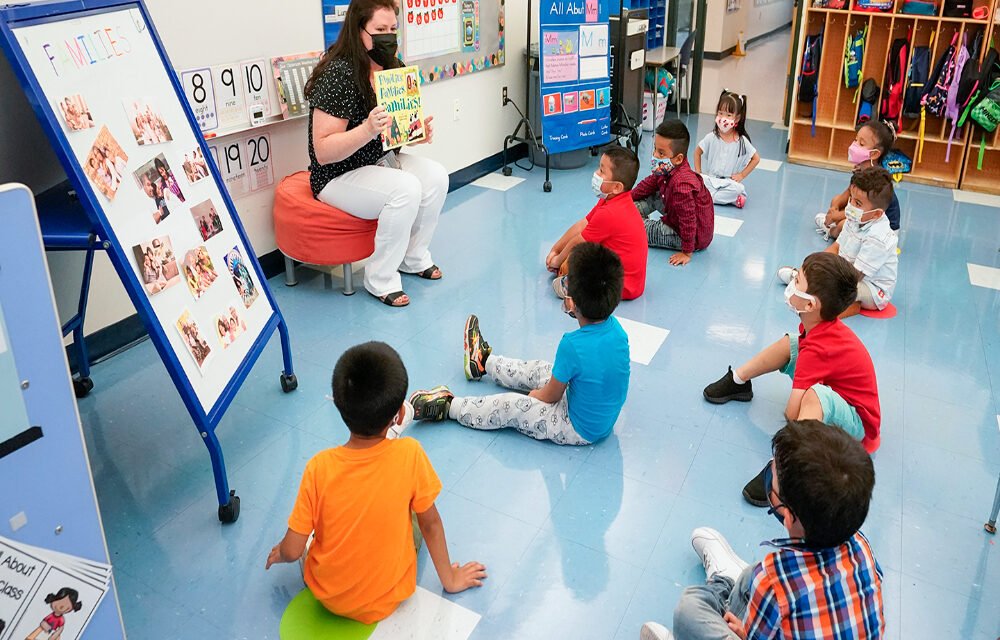
- Authorities like the National Association for the Education of Young Children (NAEYC) suggest teacher-student ratios for preschoolers around 1:8 or lower to ensure quality attention.
- Ratios typically vary by age, with younger children requiring fewer students per teacher due to higher supervision needs.
- Early Childhood Development Agencies set minimum standards but many top preschools provide lower ratios.
- Recommended ratios balance safety, management, and individualized educational support.
- Lower ratios help meet developmental goals and reduce behavioral problems.
Impact on Quality of Care and Learning
- Smaller teacher-student ratios enable educators to provide personalized instruction and emotional support.
- Teachers can better observe and respond to individual children’s needs, strengths, and challenges.
- Lower ratios reduce the likelihood of accidents and increase supervision effectiveness.
- Children benefit from stronger teacher-child relationships essential for emotional security and learning motivation.
- Adequate ratios improve overall classroom dynamics and learning outcomes.
Challenges of High Ratios in Preschools
- Many preschools, especially in under-resourced areas, have higher-than-recommended ratios due to staffing shortages or funding.
- Higher ratios can lead to teacher burnout, reduced quality of interaction, and diminished learning experiences.
- Overcrowded classrooms may increase stress, interruptions, and behavioral issues.
- Children receive less individualized attention, potentially hindering development and readiness for school.
- Parents and educators often express concern over the negative effects of large class sizes and high ratios.
Variations Across Countries and Settings
- Some countries like Sweden maintain exceptionally low ratios, enhancing quality of early education.
- Others face regulatory flexibility resulting in diverse teacher-student ratios which may be higher in certain regions.
- Private preschools often provide better ratios compared to some public or community programs.
- Ratios may also differ depending on the program focus, for instance, nature-based or Montessori preschools might maintain lower ratios.
- Global benchmarks highlight ratio as a critical indicator of preschool quality.
Strategies to Improve Ratios
- Investment in early childhood workforce development to recruit and retain qualified teachers.
- Policy reforms mandating stricter ratio limits with enforcement and monitoring.
- Encouraging group aides and assistant teachers to support lead educators.
- Using innovative scheduling and classroom management techniques to optimize supervision.
- Raising awareness among parents and policymakers about the importance of teacher-student ratios.