

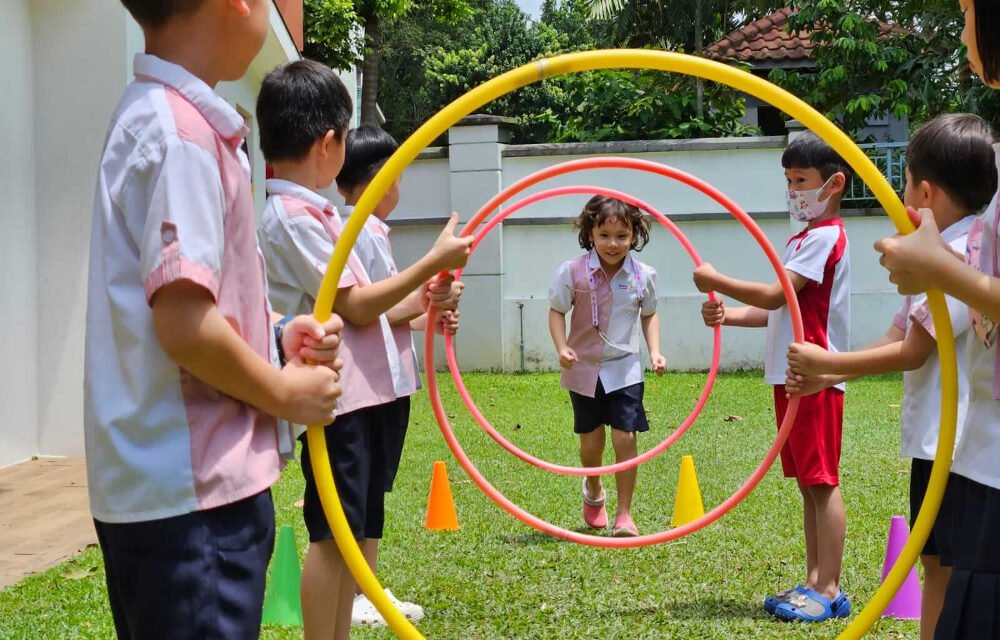
Introduction
Outdoor activities form an integral part of early childhood education, offering a dynamic and enriching context for children’s development. Engaging in outdoor play not only provides an opportunity for physical exercise but also enhances cognitive, social, and emotional growth. The natural environment stimulates curiosity and creativity, encouraging children to explore and discover while benefiting from fresh air and sunlight. Outdoor activities present unique, hands-on learning experiences that cannot be replicated indoors, fostering holistic development and promoting healthy lifestyles. Understanding the multifaceted benefits of outdoor activities underscores their essential role within early learning frameworks and practices.
Physical Development and Motor Skills
Outdoor activities are critical for the physical development of young children. Running, jumping, climbing, and balancing in natural or playground settings strengthen gross motor skills, coordination, and muscle tone. These activities promote cardiovascular health, endurance, and overall fitness from an early age. Outdoor play also provides varied sensory input, enhancing proprioception and spatial awareness. By engaging in active movement, children build stamina and develop healthy exercise habits that protect against sedentary lifestyles and obesity. The freedom of larger outdoor spaces supports greater physical challenges than indoor confined areas, further advancing motor development.
Cognitive Benefits and Curiosity Stimulation
The outdoor environment serves as an open classroom teeming with natural phenomena that ignite children’s curiosity and cognitive engagement. Nature’s complexity invites questions, exploration, observation, and problem-solving. Children can investigate plants, insects, weather, and physical landscapes, fostering scientific thinking and critical observation. Outdoor experiences reduce mental fatigue and improve attention spans, enhancing cognitive functioning when children return to indoor learning settings. Outdoor play also encourages imaginative scenarios and creative thinking, helping children connect abstract concepts with concrete experiences and thus deepening understanding.
Social Skills and Collaboration
Outdoor activities create prime opportunities for social interaction where children negotiate, cooperate, and resolve conflicts in peer groups. The open-ended nature of outdoor play fosters teamwork and communication as children create shared games or tackle challenges together. Social-emotional skills such as empathy, turn-taking, and perspective-taking develop as children navigate group dynamics. Being outdoors in less structured settings encourages children to practice their decision-making and leadership skills. These social experiences establish the groundwork for positive relationships and emotional intelligence essential for lifelong success.
Emotional Well-being and Stress Reduction
Spending time outside in natural surroundings has a profoundly positive effect on children’s emotional health. Outdoor environments reduce stress, anxiety, and behavioral challenges by providing calming sensory input and opportunities for self-regulation. Exposure to sunlight increases vitamin D production, boosting mood and immune function. Outdoor play promotes feelings of freedom and joy, enhancing self-esteem and confidence. Navigating risks such as climbing or balancing helps children develop resilience and courage. Nature’s restorative qualities enable children to recharge emotionally, contributing to overall well-being.
Sensory Development and Environmental Awareness
The outdoor world offers rich sensory experiences that stimulate children’s vision, touch, smell, hearing, and balance. Unlike the often predictable indoor environment, natural settings provide diverse textures, sounds, and sights, calibrating sensory systems crucial for cognitive and motor integration. Exploring natural elements—leaves, water, soil—heightens sensory processing and integration skills. Outdoor activities also develop environmental awareness and stewardship by fostering connection and respect for nature. Early exposure to ecological concepts inspires curiosity about conservation and promotes sustainability from a young age.
Encouraging Risk-taking and Problem-solving
Outdoor play naturally involves manageable risks such as climbing trees, balancing on logs, or navigating uneven terrain. These challenges encourage children to assess dangers, make decisions, and persevere, developing crucial problem-solving abilities and self-confidence. Risk-taking in a supervised environment teaches boundary recognition and safety awareness. Facing and overcoming physical and social challenges outdoors translates to resilience and adaptive coping skills. Outdoor activities provide a safe space for children to expand their experiences intentionally and develop critical judgment skills.
Enhanced Learning Engagement and Motivation
Children tend to be more engaged and motivated in outdoor learning environments, where physical activity and sensory stimulation create excitement and curiosity. Outdoor settings break the monotony of indoor classrooms, inviting spontaneous discovery and interactive learning. The freedom to choose activities and environments caters to diverse interests and learning strategies. Enhanced engagement outdoors improves concentration, memory retention, and enthusiasm for learning. Integrating outdoor activities within early education programs fosters intrinsic motivation and a positive attitude toward school experiences and lifelong learning.
Promoting Healthy Lifestyles and Habits
Introducing children to regular outdoor play instills habits that contribute to a healthy, active lifestyle well into adulthood. Early positive experiences of physical activity outside help mitigate risks associated with sedentary behaviors, such as obesity and related health issues. Learning about nutrition through gardening, understanding natural cycles, and appreciating physical wellness nurtures holistic health awareness. Outdoor play encourages recreation integrated with learning rather than isolated screen time. These early interventions contribute to lifelong physical and mental health, reinforcing the broader goals of comprehensive early childhood education.
Conclusion
Outdoor activities in early education offer essential benefits that encompass physical health, cognitive growth, social competence, emotional resilience, sensory development, and environmental awareness. By providing children with opportunities to explore, take risks, and collaborate in natural settings, outdoor play supports holistic development and well-being. It fosters curiosity, problem-solving skills, and intrinsic motivation while promoting healthy lifestyles from a young age. Recognizing and integrating outdoor activities as a core component of early learning is critical for nurturing confident, capable, and balanced children prepared for future challenges and lifelong learning.
Hashtags
#OutdoorLearning #EarlyChildhoodEducation #PhysicalDevelopment #CognitiveGrowth #SocialSkills #EmotionalWellbeing #SensoryDevelopment #RiskTaking #ProblemSolving #LearningEngagement #HealthyLifestyles #PlayBasedLearning #NaturePlay #ChildDevelopment #MotorSkills #Curiosity #Resilience #Collaboration #EnvironmentalAwareness #OutdoorPlayBenefits #ActiveChildren #MentalHealth #SelfConfidence #HolisticLearning #EarlyYearsEducation