
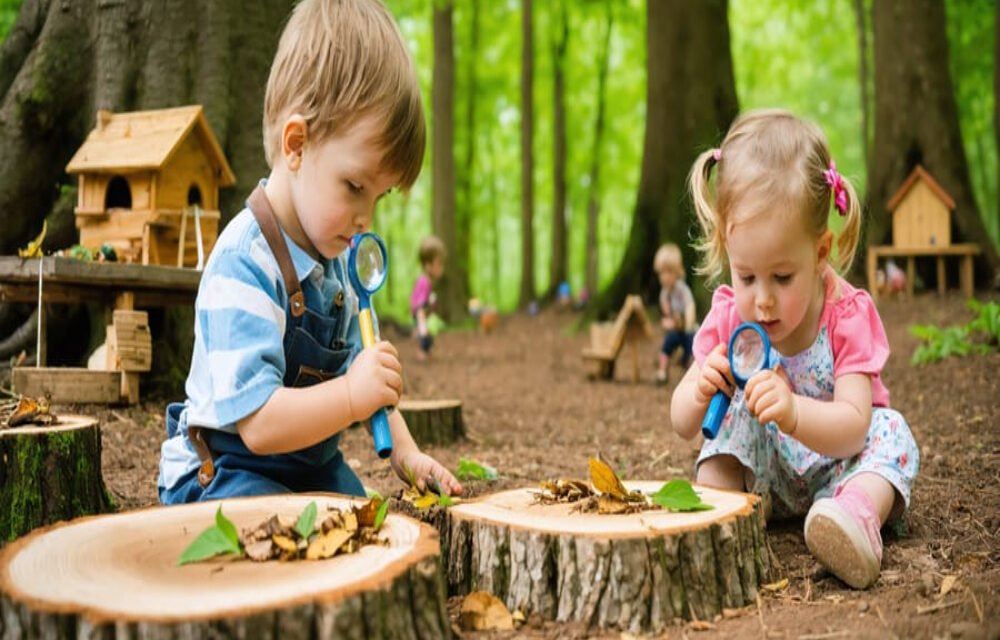
Innovative preschools focusing on nature-based education are gaining attention for their unique approach to early childhood learning, integrating natural environments into curriculum delivery to promote holistic development. These programs encourage children to engage with the outdoors through activities such as gardening, nature walks, and exploration of natural materials. This hands-on, experiential learning supports physical, cognitive, social, and emotional growth by fostering curiosity, creativity, and problem-solving skills within an engaging, sensory-rich context.
Nature-based education promotes physical health by encouraging active play and interaction with diverse natural elements, which helps develop gross and fine motor skills, coordination, and overall fitness. The exposure to fresh air, sunlight, and varied terrain is also beneficial for immune system development and stress reduction. Socially, children learn cooperation, communication, and empathy as they navigate outdoor activities and work together to explore and solve real-world challenges, reinforcing positive relationships and teamwork skills.
Cognitively, nature-based learning enhances observation, critical thinking, and creativity by providing an ever-changing environment that invites open-ended questions and exploration. Children learn scientific concepts through direct engagement with plants, animals, and ecosystems, connecting abstract ideas to tangible experiences. This experiential approach also nurtures a sense of responsibility and stewardship towards the environment, fostering lifelong values of sustainability and care for nature.
Implementing nature-based education requires thoughtful planning to address safety concerns, provide trained educators, and create supportive outdoor spaces. Many innovative preschools collaborate with local communities and environmental experts to design curricula that balance structured learning objectives with child-led exploration. Through this model, children not only gain academic and developmental benefits but also develop a profound connection with the natural world, preparing them to be resilient, curious, and compassionate learners.