

Introduction
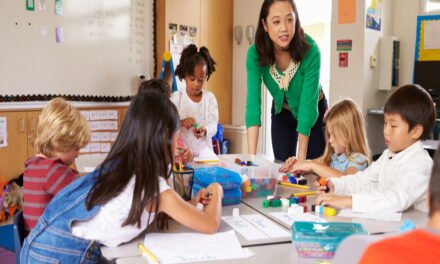
Individualized attention in early classrooms is an essential educational practice that recognizes the unique abilities, interests, and developmental trajectories of each child. Unlike conventional group instruction that employs a one-size-fits-all approach, individualized attention tailors learning experiences to meet the distinct needs of every learner. This method is particularly critical in early childhood education as children exhibit diverse learning styles, cognitive levels, social-emotional readiness, and physical skills. Providing personalized support enables children to flourish at their own pace, builds confidence, and fosters deeper engagement. Understanding the need for individualized attention is vital for educators seeking to create inclusive, effective, and nurturing learning environments where all children can reach their full potential.
Recognizing Individual Differences
Children in early childhood classrooms vary widely in abilities, interests, personality, and cultural backgrounds. These differences influence how each child learns, processes information, and expresses understanding. Some children may be visual learners who grasp concepts best through images and demonstrations, while others prefer hands-on or auditory approaches. Developmental levels within the same age group can differ, affecting readiness for certain tasks. Individualized attention honors these differences by avoiding assumptions that all children learn uniformly. Instead, educators assess and respond to children’s unique profiles, laying a foundation for personalized growth and reducing frustration or disengagement that can occur with mismatched instruction.
Supporting Cognitive Development
Tailoring learning experiences to individual capabilities accelerates cognitive development. Children who receive support adjusted to their current stage of understanding are more likely to experience success and build upon it. Educators can scaffold tasks slightly beyond a child’s comfort zone, promoting skill acquisition without overwhelming them. This targeted approach facilitates mastery of complex concepts progressively. When instructional pace and content are personalized, children develop critical thinking, problem-solving, and creativity more effectively. Individualized attention prevents stagnation or boredom for advanced learners and provides scaffolding for those needing extra help, ensuring all children develop cognitive skills optimally.
Enhancing Social and Emotional Growth
Individualized attention contributes significantly to social and emotional development by acknowledging and addressing each child’s emotional needs and temperament. Some children may require more support to regulate emotions or develop social skills, while others may need encouragement to express themselves or build resilience. Attuned educators observe children closely and provide tailored interventions, positive reinforcement, or safe spaces for emotional expression. Personalized interaction builds trust and self-esteem, showing children they are valued as individuals. Moreover, individualized attention helps children develop empathy and cooperation skills, as educators model and guide behavior suited to children’s social capacities.
Building Confidence and Motivation
Children thrive when they experience success and feel understood, both of which are fostered through individualized attention. Personalized learning creates multiple opportunities for achievement by aligning tasks with the child’s abilities and interests. Successful experiences boost self-confidence, encouraging children to take risks and engage more deeply in learning. Educators who tailor challenges and provide specific encouragement cultivate intrinsic motivation and a positive attitude toward education. When a child’s unique profile is honored, motivation grows naturally, reducing frustration and negative self-perceptions. This supportive climate nurtures persistent, enthusiastic learners.
Addressing Special Needs and Diverse Learners
Inclusive early classrooms often comprise children with a broad spectrum of learning needs, including developmental delays, disabilities, or language differences. Individualized attention is crucial for identifying and meeting these diverse requirements effectively. It enables early detection of learning challenges and facilitates timely interventions. Customized strategies, therapies, and modifications ensure that all children can participate meaningfully and develop at their own pace. Without individualized support, children with special needs risk exclusion or underachievement. Providing tailored attention integrates these learners successfully, fostering equity and maximizing their developmental opportunities.
Enhancing Teacher-Child Relationships
Individualized attention strengthens the teacher-child relationship, which is foundational to learning. When educators engage in meaningful one-on-one interactions, they develop deeper understanding and trust with each child. These relationships promote a sense of security, making children more willing to explore and express themselves. Strong teacher-child bonds also improve classroom management, as children respond positively to adults who know and care for them personally. Personalized attention models respect and promotes a child’s voice, fostering a collaborative and inclusive classroom culture that benefits all learners.
Improving Assessment and Instructional Planning
Individualized attention is integral to formative assessment and informed instructional planning. Through close observation and interaction, educators gather nuanced insights into each child’s strengths, challenges, and learning preferences. This information guides the adaptation of curricula, selection of materials, and choice of teaching strategies. It also helps in setting realistic, personalized goals and monitoring progress accurately. Individualized assessment practices support differentiated instruction that addresses children’s changing needs over time. Instead of relying solely on standardized tests or group assessments, educators use individualized data to make education responsive and meaningful.
Creating Inclusive and Equitable Learning Environments
Providing individualized attention fosters inclusive classrooms where diversity is not only accepted but celebrated. It ensures that educational practices do not marginalize any child due to their learning style, ability, culture, or background. Personalized support helps bridge achievement gaps and reduces inequities by addressing specific barriers children face. By adapting teaching to individual needs, educators promote fairness and empower all children to succeed. Inclusive environments built on individualized attention cultivate respect, empathy, and belonging, preparing children for participation in diverse social contexts.
Conclusion
The need for individualized attention in early classrooms is paramount for recognizing and nurturing the unique qualities of each child. This approach supports cognitive, social-emotional, and behavioral development by providing tailored learning experiences and responsive interventions. It builds confidence, motivation, and stronger teacher-child relationships, especially benefiting children with special needs or diverse learning profiles. Individualized attention enhances assessment accuracy and instructional planning, leading to more effective and equitable education. Ultimately, personalized attention creates an inclusive community where all young learners can thrive, reach their full potential, and develop a lifelong love for learning.
Hashtags
#IndividualizedAttention #EarlyChildhoodEducation #PersonalizedLearning #ChildDevelopment #InclusiveEducation #TeacherChildRelationship #SpecialNeedsSupport #CognitiveDevelopment #SocialEmotionalLearning #MotivationInKids #DifferentiatedInstruction #EarlyLearning #LearningStyles #ConfidenceBuilding #EducationalEquity #FormativeAssessment #ClassroomInclusion #ChildCenteredLearning #EducationForAll #TeacherRole #StudentEngagement #LearningSupport #HolisticEducation #EarlyYears #LearningPotential