
Emphasis on Cooperative Play and Group Activities
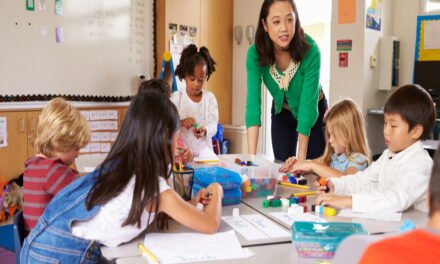
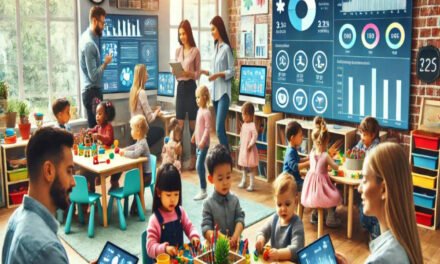
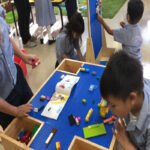
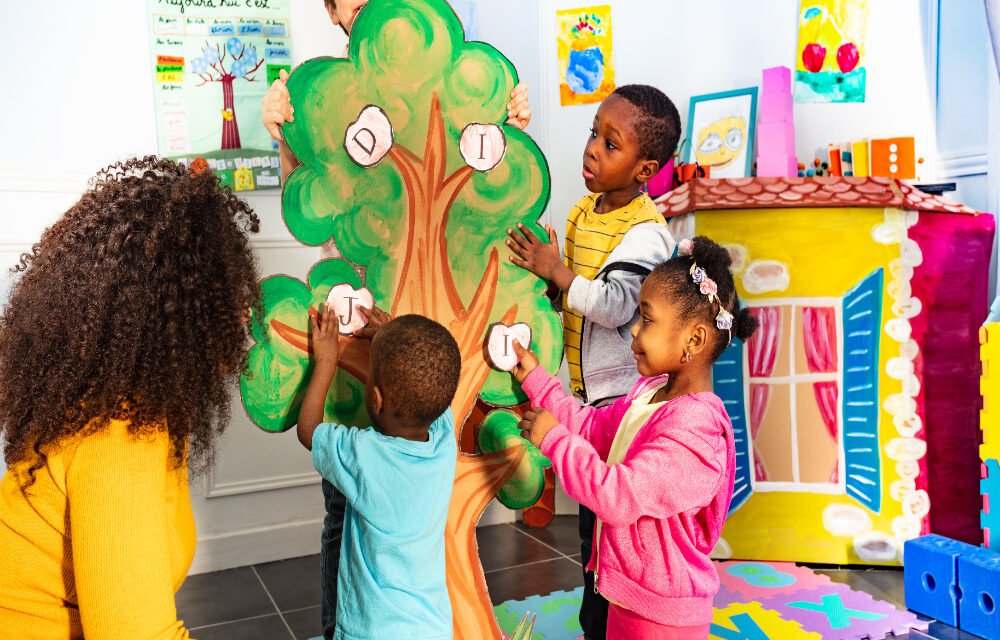
- Modern preschools incorporate group art projects, storytelling, and outdoor games to foster cooperation and teamwork.
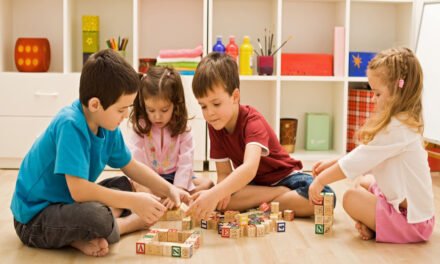
- Children engage in activities that require sharing, turn-taking, and mutual support, enhancing social bonds.
- Such experiences teach communication, conflict resolution, and collaborative problem-solving.
- Preschoolers develop a sense of community and belonging through shared accomplishments.
- Structured group engagement is considered foundational for lifelong social relationships.
Teaching Emotional Recognition and Expression
- Preschools focus on helping children recognize and express emotions appropriately using games and stories.
- Activities like emotion charades and role-play develop empathy and emotional literacy.
- Understanding feelings supports better self-regulation and interpersonal interactions.
- Educators guide children to identify emotions in themselves and others, fostering compassion.
- Emotional skills are integrated with social behaviors for holistic development.
Fostering Communication and Listening Skills
- Modern curricula emphasize active listening, turn-taking in conversations, and expressing thoughts clearly.
- Teachers model and encourage respectful communication to build effective interaction skills.
- Social skills activities promote understanding diverse perspectives and practicing patience.
- Listening games and storytime discussions reinforce attention and verbal engagement.
- Strong communication skills prepare children for academic and social success.
Promoting Responsibility and Respect
- Assigning classroom jobs and routines teach children accountability and cooperation.
- Children learn respect for others through practice of manners, fairness, and inclusivity.
- Preschools cultivate kindness and cultural sensitivity through diverse stories and activities.
- Positive reinforcement encourages repetition of respectful and responsible behaviors.
- Emphasizing respect nurtures safe and supportive learning environments.
Use of Play-Based and Child-Centered Approaches
- Play is the primary medium for social skills development, allowing natural practice and experimentation.
- Pretend play, puppetry, and games enable children to navigate social roles and norms.
- Child-led activities provide opportunities for choice, negotiation, and leadership.
- Learning social skills through play is engaging and aligned with developmental readiness.
- Play-based curricula balance academic goals with essential social and emotional growth.