

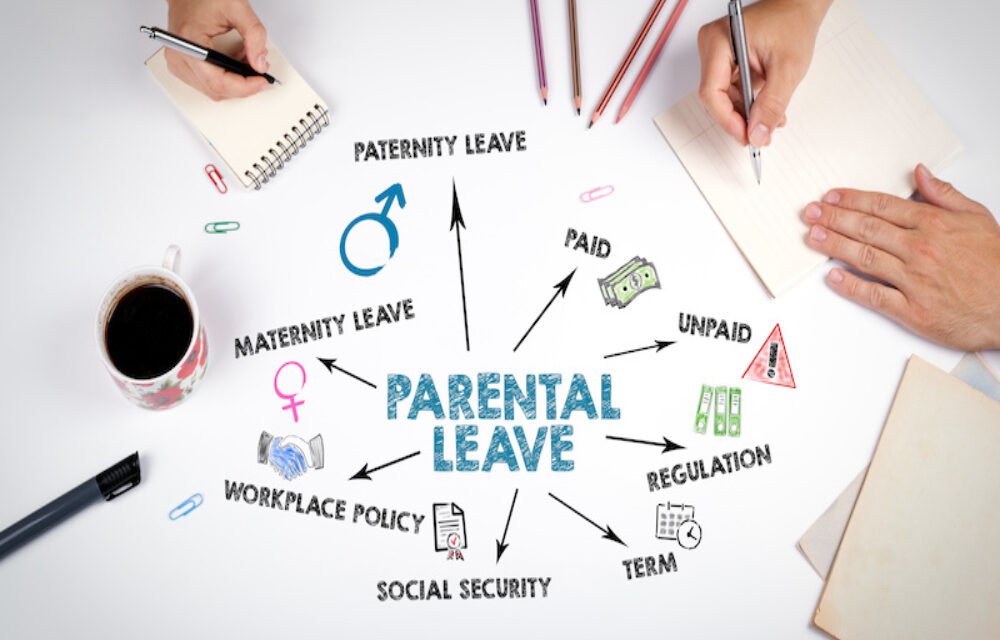
Experts advocate for longer paid parental leave as a vital support to early childhood development, emphasizing its far-reaching benefits for children, parents, and society. Paid leave allows parents to spend crucial early months bonding with their infants, which research shows enhances language acquisition, cognitive skills, and socioemotional development. Unlike unpaid leave, paid leave reduces financial stress, enabling parents, especially those with lower incomes or educational backgrounds, to engage more sensitively and responsively with their children, fostering secure attachments essential for healthy brain development.
Extending paid parental leave also contributes to improved maternal and infant health outcomes. Studies indicate that such leave reduces premature births, low birth weights, and infant mortality rates while increasing breastfeeding duration—all factors linked to long-term physical and cognitive well-being. The availability of paid leave supports parents in managing medical appointments and caregiving responsibilities without the added pressure of lost income, which can otherwise compromise child health and development during this delicate period.
Beyond immediate family benefits, longer paid leave policies have broader societal and economic impacts. They promote gender equality by enabling both mothers and fathers to share early childcare duties, helping dismantle traditional caregiving stereotypes and supporting women’s sustained workforce participation. Economically, these policies reduce public health expenditures and foster a more skilled, productive future workforce by investing in children’s developmental foundations. Furthermore, employers benefit from employees who return healthier, more engaged, and with stronger family attachments.
Experts also highlight the need for inclusive paid leave policies that reach diverse family structures and socioeconomic groups. Variations in access and duration of leave often exacerbate existing inequalities in child development outcomes. Therefore, advocates call for national paid family leave programs that provide adequate time, financial support, and job protection for all parents. Such comprehensive policies are seen as essential investments that not only support early childhood development but also promote social equity, family well-being, and long-term economic growth.