
Introduction
The role of technology in early learning has evolved into an increasingly significant aspect of education in the 21st century. As the digital age advances, technology integration in early childhood education offers novel avenues for engagement, learning personalization, and development enhancement. Tools such as interactive apps, digital storytelling, educational games, and multimedia content provide children with dynamic and multisensory learning experiences. When used appropriately, technology supports the development of critical skills including communication, problem-solving, creativity, and collaboration. However, its use requires thoughtful balancing to complement traditional pedagogies and promote holistic, healthy development. Exploring the multifaceted role of technology in early learning clarifies its potential to transform educational landscapes while safeguarding child well-being.
Enhancing Engagement and Motivation
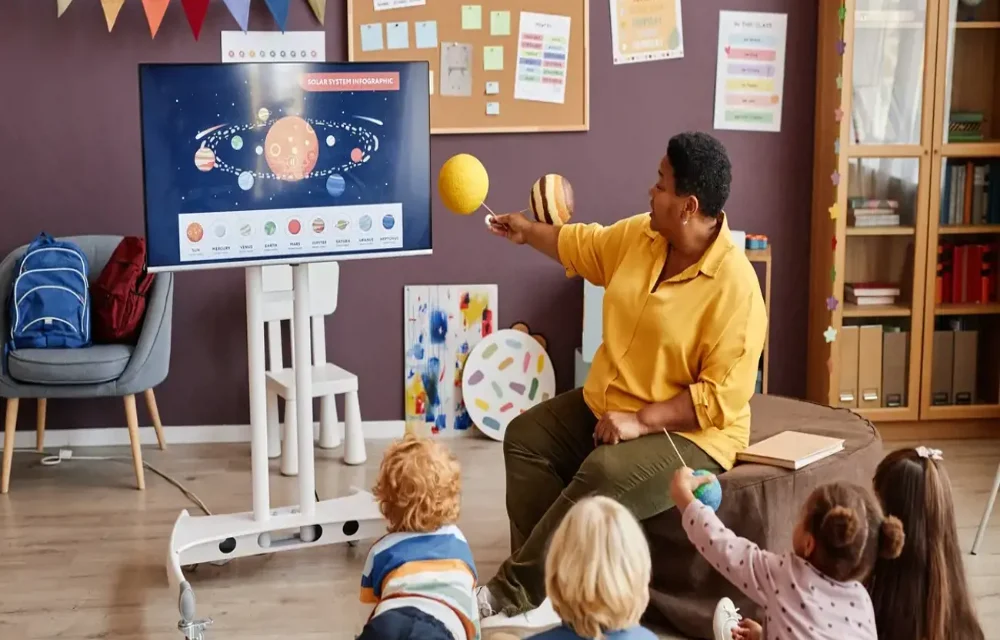
Technology captivates young learners through interactive, colorful, and engaging content that captures their attention far more effectively than traditional passive instruction. Digital tools such as games, animations, and audiovisual stimuli make learning fun and inviting, fostering curiosity and enthusiasm. This heightened engagement promotes sustained focus and active participation, which are critical for young children’s absorption and retention of knowledge. By capturing children’s natural interest, technology encourages exploration and a positive attitude towards learning that can be transferred to other developmental domains.
Personalized Learning Pathways
One of the transformative benefits of technology is its ability to tailor instruction to individual learners’ needs, pace, and preferences. Adaptive educational software can assess a child’s current skill level and customize tasks accordingly, allowing for differentiated and scaffolded learning. This personalization addresses diverse learning styles and developmental readiness, ensuring that children neither feel bored by repetition nor overwhelmed by challenges. The capacity to offer targeted feedback and adjust content in real-time enhances learning efficiency and deepens comprehension. Personalized technology fosters greater learner autonomy and confidence, vital for ongoing educational success.
Supporting Communication and Language Development
Technology can significantly aid communication skills, particularly for children with delayed or impaired speech. Multimedia elements like pictures, videos, and interactive dialogues offer visual and auditory cues that reinforce language comprehension and expression. Assistive communication tools, including augmentative and alternative communication (AAC) devices, enable non-verbal children or those with special needs to participate meaningfully. Interactive reading apps and storytelling platforms introduce vocabulary, narrative structure, and pronunciation in immersive formats. Technology thus serves as a powerful supplement to traditional language development practices.
Promoting Creativity and Critical Thinking
Digital tools open unique possibilities for creative expression and problem-solving in young learners. Technology-based activities encourage children to experiment with colors, shapes, sounds, and storytelling, fostering imagination and artistic skills. Many apps engage children in puzzles, sequencing, classification, and pattern recognition that develop cognitive skills and logical reasoning. Collaborative games and virtual simulations stimulate social problem-solving and teamwork. By engaging with technology thoughtfully, children develop higher-level thinking skills that scaffold future academic and life challenges.
Improving Access and Inclusivity
Technology enhances access to quality early education resources for diverse and geographically dispersed populations. Children in remote or underserved areas can connect with digital learning platforms that provide curricula, activities, and support otherwise unavailable locally. Technology equips educators to better serve children with disabilities through customizable software and assistive devices. Multilingual apps foster language development among dual-language learners, bridging cultural barriers. These inclusive advantages democratize learning, making quality early education more equitable and responsive.
Facilitating Family Engagement and Communication
Digital platforms enable seamless collaboration and communication between educators and families, enriching children’s learning environments. Parents can track progress, receive resources, and engage in home-based activities reinforced by technology. Video messages, parent portals, and online conferencing foster partnerships that support children’s holistic development. Technology thus bridges home and school, ensuring continuity and amplification of learning experiences, while empowering parents with knowledge and involvement.
Balancing Technology Use and Child Well-being
While technology offers many advantages, its use must be carefully balanced to avoid potential adverse effects on physical health, social skills, and mental well-being. Excessive screen time may contribute to sedentary behavior, vision problems, and reduced face-to-face interactions essential for social and emotional growth. Early childhood educators emphasize moderation and purposeful integration of technology, ensuring it supplements rather than replaces active play, interpersonal engagement, and hands-on experiences. Guided use with adult supervision helps children develop healthy digital habits and critical media literacy from a young age.
Preparing Children for a Digital Future
Incorporating technology in early learning prepares children for a digital world that permeates every aspect of modern life. Early exposure to appropriate digital tools develops foundational skills such as digital literacy, information processing, and technical navigation. These competencies are increasingly essential for academic achievement and workforce participation. Educators who integrate technology responsibly support children’s readiness to adapt to evolving technologies and cultivate a positive relationship with digital environments.
Conclusion
Technology plays a multifaceted and transformative role in early learning by enhancing engagement, personalizing instruction, supporting communication, and fostering creativity and critical thinking. It improves access and inclusivity, strengthens family collaboration, and prepares children for a technology-rich world. Balanced, developmentally appropriate use ensures technology complements traditional learning, promoting healthy and holistic child development. Embracing technology thoughtfully allows educators to harness its potential while safeguarding the essential interpersonal and physical experiences that form the core of early childhood education.
Hashtags
#TechnologyInEducation #EarlyChildhoodEducation #DigitalLearning #PersonalizedLearning #CommunicationSkills #CreativityInKids #InclusiveEducation #FamilyEngagement #BalancedLearning #ChildDevelopment #DigitalLiteracy #InteractiveLearning #EarlyLearning #EducationalApps #LearningEngagement #21stCenturySkills #TechnologyForInclusion #AssistiveTechnology #ParentTeacherPartnership #HolisticDevelopment #DigitalTools #LearningMotivation #CognitiveDevelopment #TechInTheClassroom #FutureReadyKids