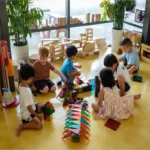

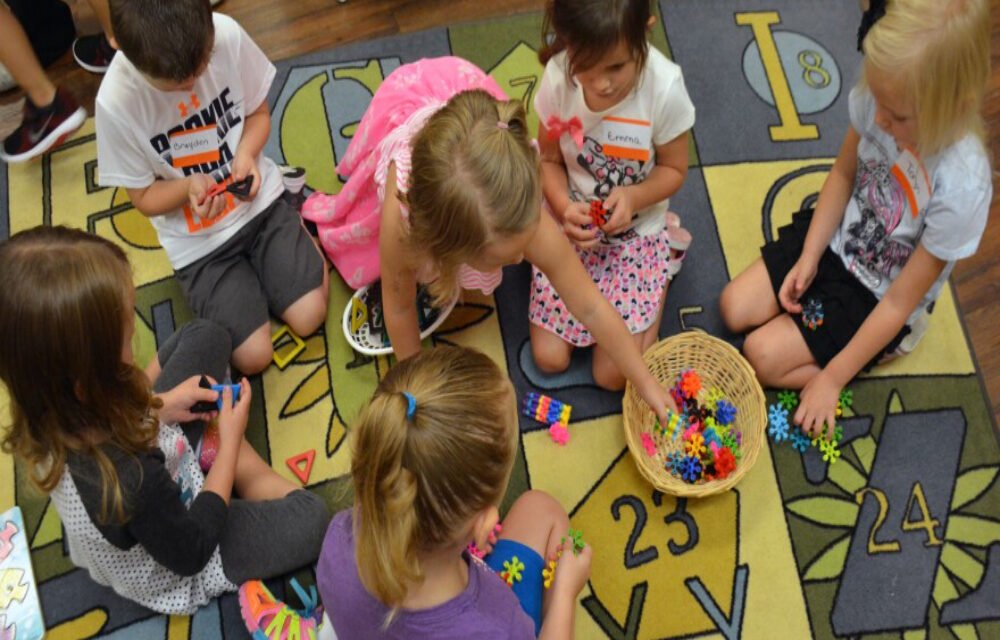
School districts across the country are expanding pre-kindergarten access as part of a growing recognition of the critical role early education plays in academic and social development. This expansion aims to provide all children, regardless of background or family income, with the benefits of high-quality early learning experiences. Programs like Maryland’s Prekindergarten Expansion Grant and Rhode Island’s State Pre-K offer full-day, free access to preschool for three- and four-year-olds, demonstrating how targeted investments can broaden availability and promote school readiness for diverse populations.
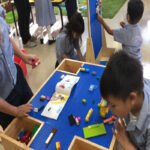
The expansion efforts focus not only on increasing enrollment but also on ensuring the quality and developmental appropriateness of pre-K programs. This includes adapting physical spaces for young children, employing trained educators specialized in early childhood, and implementing curriculum aligned with best practices in early learning. As districts add pre-K to their offerings, they also emphasize family engagement and culturally responsive teaching to meet the needs of their communities. Such considerations are essential to maximize long-term benefits, including improved language skills, social-emotional learning, and readiness for kindergarten.
Research consistently supports the value of pre-K expansion in reducing achievement gaps and fostering equity. Access to universally available pre-K has been linked to higher graduation rates, fewer special education placements, and reduced behavioral issues later in school. States expanding their programs often combine state funding with federal grants to reach underserved areas, ensuring that children in high-poverty communities receive the support they need. Such strategic funding and policy alignment are vital to scaling programs sustainably without compromising quality.
Despite the benefits, districts face challenges including space limitations, securing qualified teachers, and navigating program integration with existing early childhood and childcare providers. Thoughtful planning and collaboration with stakeholders help address these issues while strengthening the early education system. The momentum toward expanding pre-K now represents an opportunity to build inclusive learning environments that support every child’s success from the earliest years, setting a strong foundation for lifelong learning and well-being.