
Recognition in International Law
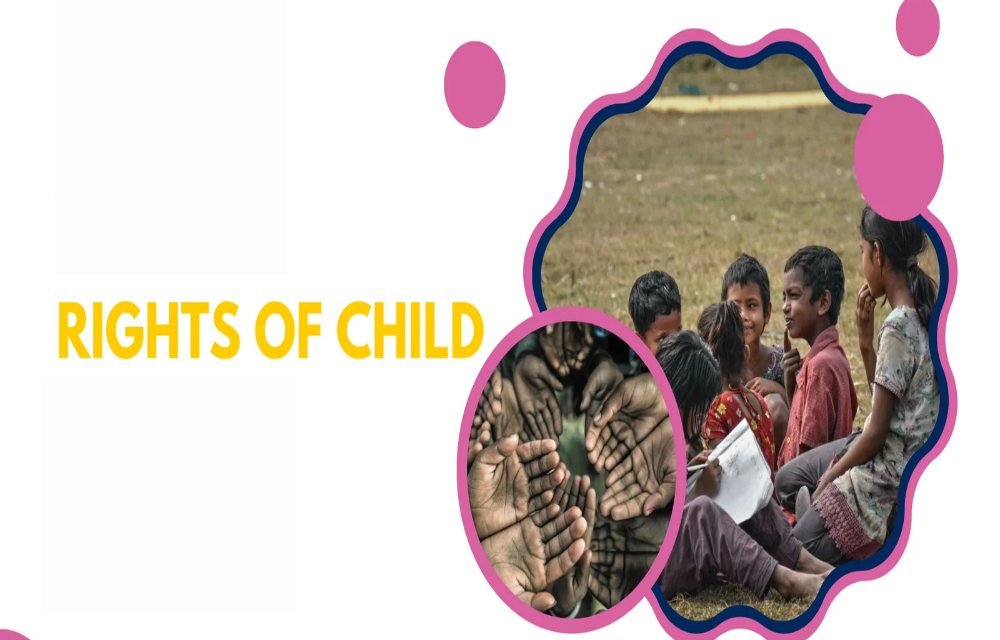
- The United Nations Convention on the Rights of the Child (UNCRC) explicitly recognizes play as a fundamental right in Article 31.
- This article affirms children’s rights to rest, leisure, play, and participation in cultural and artistic life.
- The UNCRC sets legal obligations for governments to respect, protect, and fulfill these rights without discrimination.
- Nearly all countries worldwide have ratified the convention, committing to uphold the right to play.
- The UN Committee on the Rights of the Child provides guidance to ensure the practical realization of these rights.
Governmental Obligations and Policies
- States are mandated to enact legislative, administrative, and budgetary measures to guarantee children’s access to play.
- Governments must create safe, accessible environments for children to engage in play and recreational activities.
- Policies increasingly incorporate play as essential for healthy child development, well-being, and education.
- Some nations have developed national play policies or frameworks aligned with international guidelines.
- Monitoring bodies assess compliance and promote accountability for children’s play rights.
Advocacy and Awareness Efforts
- International organizations, NGOs, and child advocacy groups promote recognition of play as a core right.
- Campaigns raise awareness among policymakers, families, and communities about the importance of play.
- These initiatives highlight the connections between play, health, learning, and social development.
- Advocacy supports inclusive play opportunities for children with disabilities and marginalized groups.
- Educational materials and workshops empower adults to facilitate children’s right to play.
Implementation Challenges
- Despite formal recognition, many children lack adequate opportunities for free and safe play worldwide.
- Urbanization, technology, academic pressures, and safety concerns restrict children’s playtime.
- Unequal access persists due to socio-economic, cultural, and policy disparities.
- Some governments face challenges in fully integrating play rights into education and child welfare systems.
- Continued efforts are needed to bridge gaps between policy and practice.
Global Impact and Progress
- Recognition of play as a right has influenced early childhood education curricula and childcare standards.
- It has shaped child protection laws and recreational program development internationally.
- Children’s voices are increasingly included in decisions affecting their play and leisure activities.
- The right to play is linked to broader human rights and sustainable development goals.
- Ongoing global dialogue emphasizes play as essential for children’s dignity, health, and happiness.