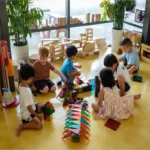

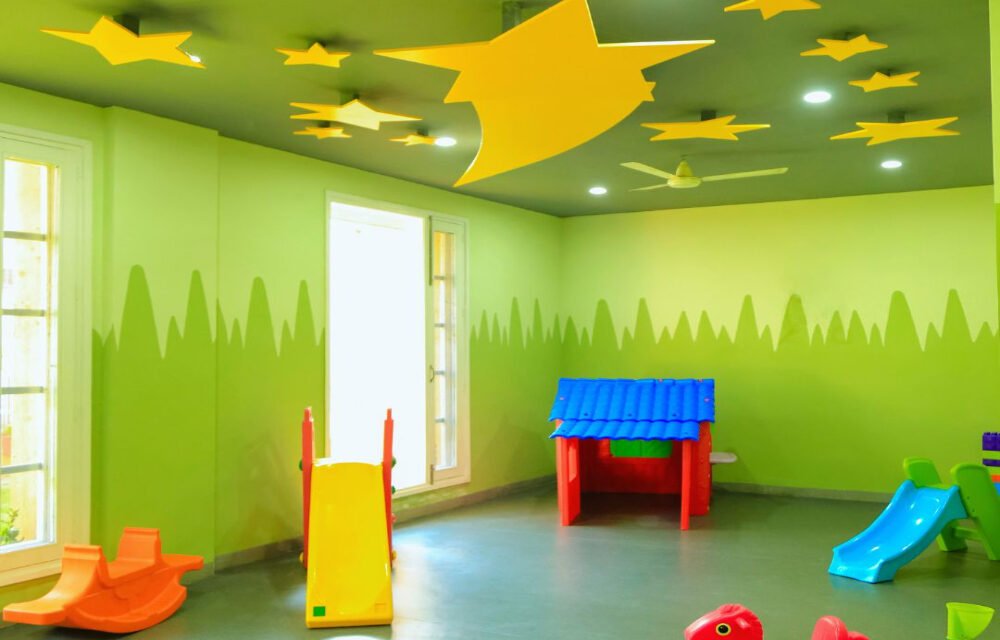
Preschool infrastructure development has been prioritized in recent budget plans, recognizing the critical role that well-equipped and accessible facilities play in delivering high-quality early education. Governments are allocating funds to expand the number of preschool classrooms, especially in underserved and low-income communities, with a focus on creating child-friendly environments that support learning and development. This includes investments in age-appropriate furniture, safe indoor and outdoor play areas, learning materials, and technology integration to enhance educational experiences.
These budget plans also emphasize upgrading existing preschool facilities to comply with modern safety and accessibility standards. Improvements include modifying restrooms, installing child-scaled equipment, enhancing lighting and ventilation, and ensuring spaces are inclusive for children with disabilities. Creating such environments fosters a sense of security and comfort for young learners, which is essential for effective engagement and socio-emotional well-being. Additionally, infrastructure development extends to staff areas to support educators’ professional needs, reflecting an integrated approach to enhancing early childhood education quality.
Professional development for preschool teachers is closely linked with infrastructure priorities, as funding also supports training related to new facility use and curriculum implementation. Well-prepared educators can make optimal use of upgraded spaces and resources, tailoring learning activities to children’s developmental stages and diverse learning styles. Budget allocations often include support services such as health screenings, nutrition programs, and parental involvement initiatives, all integral to a comprehensive early learning ecosystem.
Strategic infrastructure investments are complemented by programs that promote partnerships between schools and community-based providers, enabling mixed-delivery preschool models that expand reach and flexibility. Budgets also support data collection and assessment systems to monitor the impact of infrastructure enhancements on enrollment, attendance, and learning outcomes. By prioritizing preschool infrastructure, budget plans aim to bridge access gaps, improve educational equity, and lay strong foundations for lifelong learning success among children from all backgrounds.