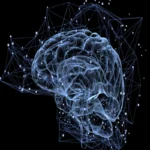

Engages Multiple Brain Regions
- Songs and rhythms activate auditory, motor, and emotional centers in the brain, promoting neural connectivity.
- These engaging stimuli develop pathways crucial for language, coordination, and emotional regulation.
- Music’s structured patterns help children recognize sequences, enhancing cognitive flexibility.
- Rhythms support timing, sequencing, and pattern recognition skills fundamental to problem-solving.
- The multisensory nature of music encourages integration of sight, sound, and movement, strengthening brain circuits.
Enhances Memory and Recall
- Music and rhythm improve verbal and auditory memory by reinforcing neural connections involved in recall.
- Repetition of songs and rhythms helps solidify learning and language acquisition.
- Children remember lyrics, melodies, and sequences, which strengthens brain circuits for long-term memory.
- Mnemonic qualities of music aid in learning new concepts across various subjects.
- Improved memory skills support academic achievement and everyday functioning.
Supports Language and Communication Skills
- Singing and rhythmic activities stimulate areas responsible for speech production and comprehension.
- Music teaches children about pitch, tone, and pronunciation, aiding in language development.
- Listening to songs enhances vocabulary and understanding of sentence patterns.
- Participating in musical activities encourages expressive language and social communication.
- Early musical experience accelerates literacy skills and speech accuracy.
Boosts Emotional and Social Development
- Music evokes emotions and helps children understand and express feelings effectively.
- Group singing and rhythm activities foster cooperation, turn-taking, and social bonding.
- Musical participation nurtures empathy and emotional intelligence.
- Engaging with rhythm can reduce stress and increase positive mood.
- Emotional engagement with music enhances motivation and resilience.
Facilitates Motor and Coordination Skills
- Playing instruments, clapping, or dancing to rhythms develop fine and gross motor skills.
- Rhythmic movements improve coordination, balance, and body awareness.
- Sensorimotor integration through music supports physical development.
- Motor activities linked to music strengthen neural pathways for multitasking and planning.
- Early musical training builds foundational skills for more complex physical and cognitive tasks.