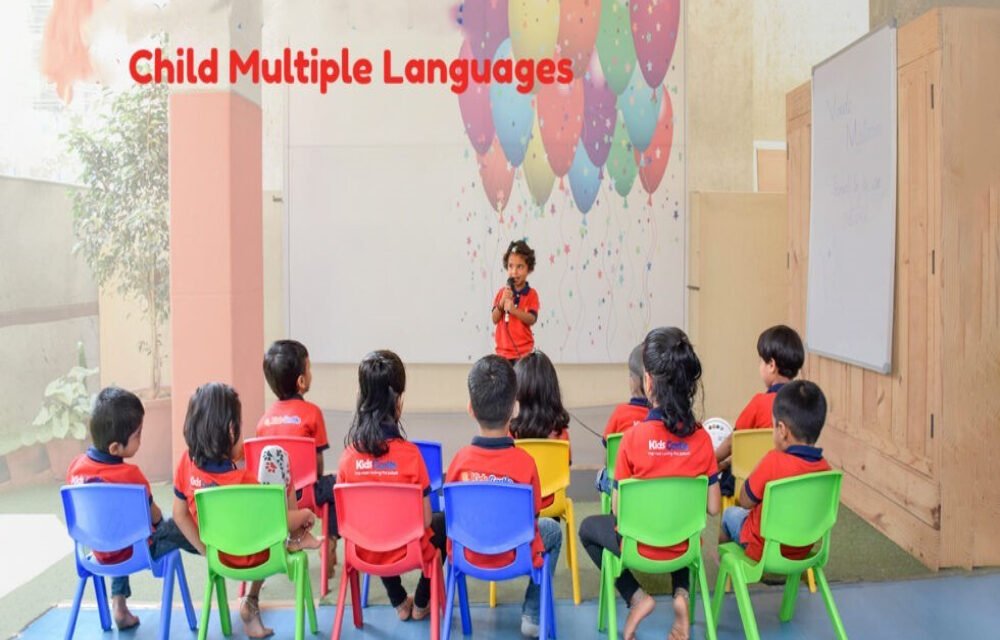
Early learning materials developed in multiple local languages play a crucial role in supporting culturally responsive education and fostering inclusive learning environments. Recognizing that many young children are raised in multilingual settings, these materials aim to strengthen literacy and language development in children’s mother tongues while gradually introducing additional languages. Providing resources in local languages helps build foundational skills, improves comprehension, and sustains children’s cultural identities, which enhances engagement and academic success.
The development process typically involves collaboration with language experts, educators, and community members to ensure accuracy, cultural relevance, and developmental appropriateness. Materials include picture books, audio stories, interactive digital content, and play-based learning resources designed to be engaging and accessible across different linguistic groups. The use of mother tongue languages in early learning is supported by research demonstrating that children who learn in their first language develop stronger cognitive and language skills, which facilitates the acquisition of additional languages later.
Efforts to create multilingual early learning materials address significant challenges such as limited publication resources, lack of standardized orthographies for some languages, and the need for teacher training in multilingual pedagogies. These initiatives prioritize equitable access by distributing materials in remote and underserved regions where children might otherwise be excluded from quality education. Digital platforms and mobile applications are increasingly utilized to reach diverse audiences and support parents and educators in delivering multilingual content effectively.
Overall, developing early learning materials in multiple local languages is a key strategy for promoting equitable, high-quality education that respects linguistic diversity and broadens learning opportunities. This approach not only supports academic achievement but also nurtures children’s cultural pride and identity, contributing to more inclusive, resilient communities. As multilingual education gains momentum globally, the availability and use of diverse language resources will continue to be essential in early childhood settings.