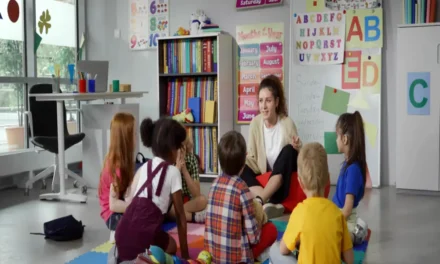

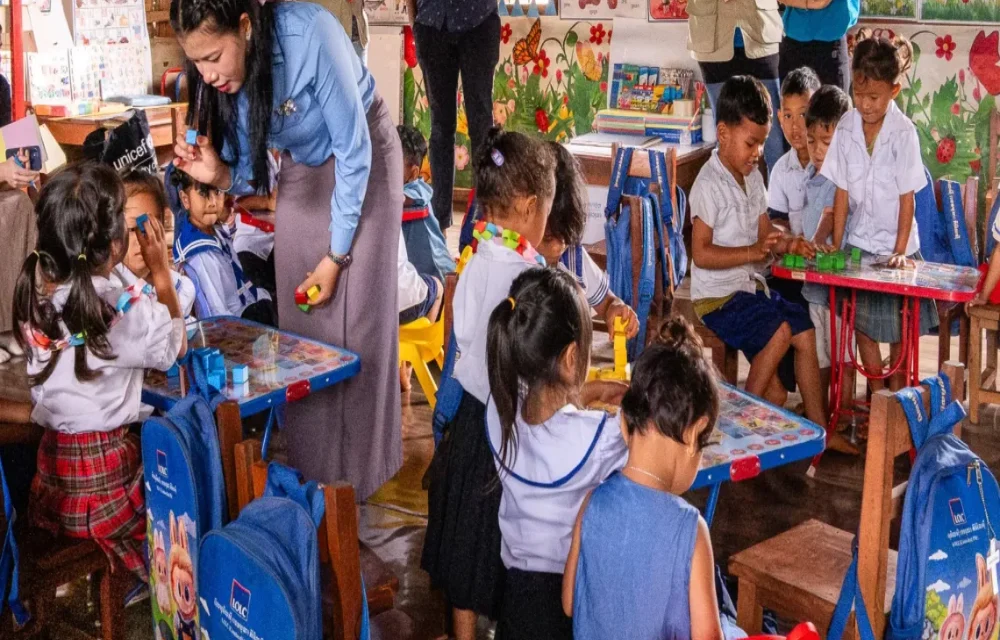
Supports Early Brain and Cognitive Development
- Preschool attendance exposes children to diverse learning experiences that promote brain growth, language, and early math skills.
- Engaging in preschool activities enhances communication, problem-solving, and critical thinking abilities.
- These foundational skills set a strong base for future academic success.
- Exposure to structured learning routines optimizes brain plasticity during crucial developmental windows.
- Preschool can identify learning needs early, enabling timely interventions.
Fosters Social and Emotional Skills
- Interaction with peers and teachers in preschool helps children learn cooperation, empathy, and conflict resolution.
- Children learn to manage emotions and develop resilience in supportive environments.
- Social experiences in preschool prepare children for group settings and build self-regulation.
- Emotional skills gained support mental well-being and positive relationships later.
- Preschool provides a safe space to practice following rules and sharing.
Builds Consistent Learning Habits
- Early attendance establishes routines of regular attendance, listening, and task completion.
- Children develop classroom behaviors like taking turns, focusing attention, and organizing materials.
- These habits ease the transition to kindergarten and beyond.
- Consistent learning exposure helps strengthen cognitive and social progress.
- Early school experiences foster motivation and a love for learning.
Reduces Achievement Gaps
- Preschool provides equitable access to quality education, especially for disadvantaged children.
- Early support narrows gaps in language, literacy, and social skills before formal schooling.
- Programs often include health and family resources, addressing holistic needs.
- Closing early gaps promotes long-term educational equity.
- Preschool benefits persist across diverse socio-economic backgrounds.
Not Absolutely Necessary but Highly Beneficial
- While preschool attendance offers many advantages, not all children may have access or require formal preschool to thrive.
- Quality of the program and subsequent education influence outcomes more than mere attendance.
- Home environments enriched with responsive caregiving can also support early development.
- Alternatives like quality childcare, playgroups, and parent-led learning provide beneficial experiences.
Policymakers emphasize expanding access to high-quality preschool rather than mandating attendance.