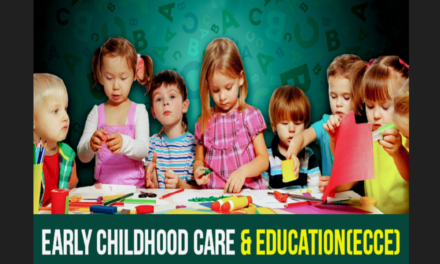
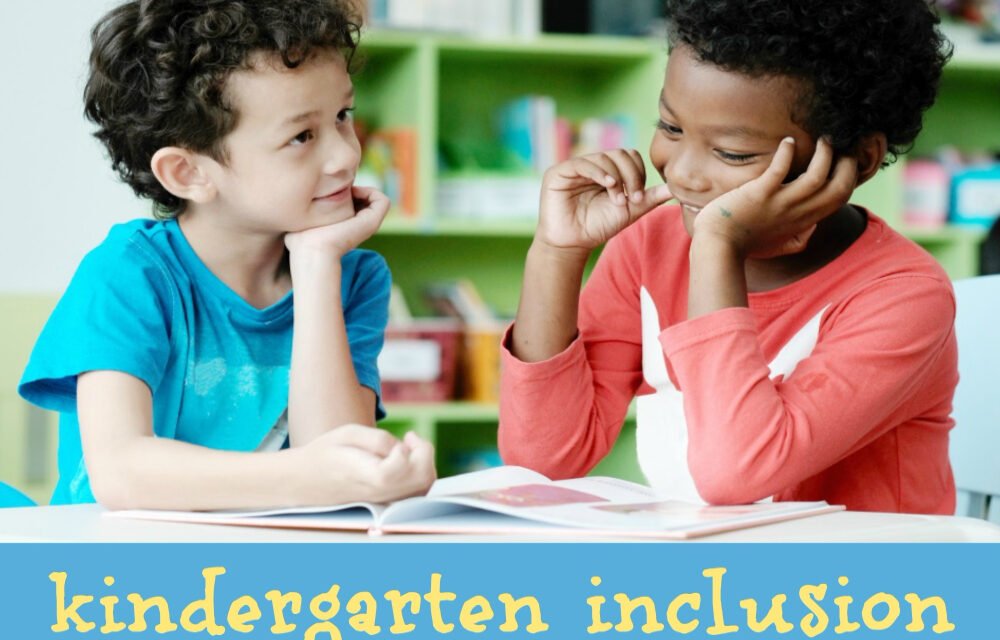
Preschool inclusion policies that support children with disabilities have gained renewed attention and commitment from governments and early childhood systems worldwide. These policies emphasize the right of every young child with disabilities to access high-quality inclusive early childhood programs that provide individualized and appropriate support. The goal is to enable these children to fully participate alongside their peers without disabilities, meet high expectations, and reach their full potential in developmental and learning outcomes.
Inclusion policies mandate that children with disabilities are enrolled in early learning environments that mirror their community’s natural proportions, ensuring diversity and integration rather than segregation. These policies promote collaboration among early childhood providers, local educational agencies, and service providers to implement supports and services within natural settings such as preschools and community programs. This approach aligns with legal provisions like the Individuals with Disabilities Education Act (IDEA), guaranteeing Free Appropriate Public Education (FAPE) in the Least Restrictive Environment (LRE) for eligible children.
A critical aspect of inclusive preschool policies is recognizing families as key partners and decision-makers. Programs strive to build partnerships with families, valuing their insights and involving them in individualized planning and support processes. Providing services such as early screening, individualized education plans (IEPs), and on-site therapeutic supports helps meet diverse needs. Teacher training and professional development are also emphasized to equip educators with skills for differentiated instruction and fostering social-emotional skills among all children.
Despite progress, challenges remain in ensuring equitable access and full participation for children with disabilities in preschools. Barriers such as limited funding, insufficient trained staff, and stigma need ongoing attention. Innovative models such as the Access and Inclusion Model (AIM) in Ireland exemplify comprehensive frameworks designed to provide universal and targeted supports across mixed delivery systems. Overall, inclusion policies reflect a shared responsibility to create early learning environments where every child, regardless of ability, belongs, learns, and thrives.