
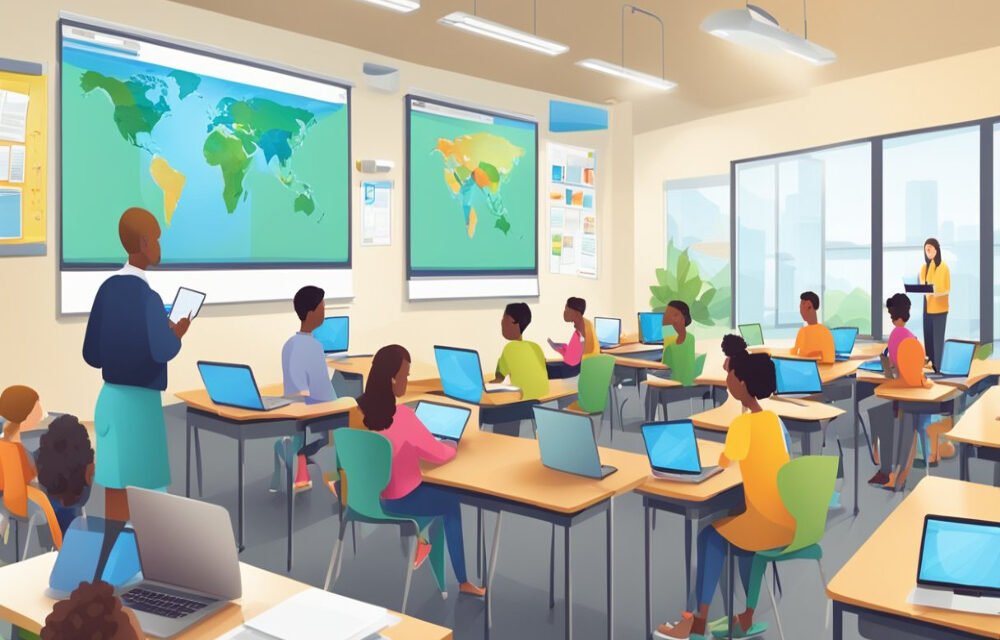
Primary schools across the nation have increasingly embraced digital learning tools as a fundamental part of their educational framework. This widespread adoption is driven by the government’s concerted efforts under initiatives like Digital India and Samagra Shiksha, aiming to integrate technology into everyday teaching and learning processes. The integration involves equipping schools with digital classrooms, internet connectivity, and interactive content platforms such as DIKSHA and ePathshala. These digital tools make learning more engaging and interactive, enhancing the overall educational experience for young learners.
One notable development is the introduction of digital content in multiple languages that address diverse linguistic backgrounds, ensuring inclusivity and accessibility in rural and remote areas. The use of smart classrooms loaded with multimedia resources allows teachers to demonstrate complex concepts through videos, animations, and digital assessments, making learning more effective. Programs such as PM eVidya unify efforts for online, on-air, and digital education, facilitating multi-modal access to educational content, especially important during disruptions like pandemics or natural calamities.
Further advancements include incorporating emerging technologies like coding, robotics, and artificial intelligence into primary education curricula. Certain government schools have piloted AI-powered tools to personalize learning, simplify difficult topics, and provide instant feedback to students and educators. These digital platforms also foster student engagement by enabling self-paced learning combined with structured teacher-led instruction. Capacity-building initiatives for teachers ensure they are well-equipped to use these tools effectively, fostering a robust digital ecosystem within classrooms.
However, challenges such as digital infrastructure gaps, access to devices, and digital literacy remain significant hurdles, especially in underprivileged regions. The government is addressing these through targeted funding for ICT labs, internet expansion projects, and partnerships with private sector entities. Hybrid learning models combining traditional methods with digital education are also encouraged to maximize benefits. Overall, the nationwide adoption of digital learning tools marks a pivotal step in modernizing primary education, aiming to bridge educational divides and prepare young learners for the demands of the digital era.