
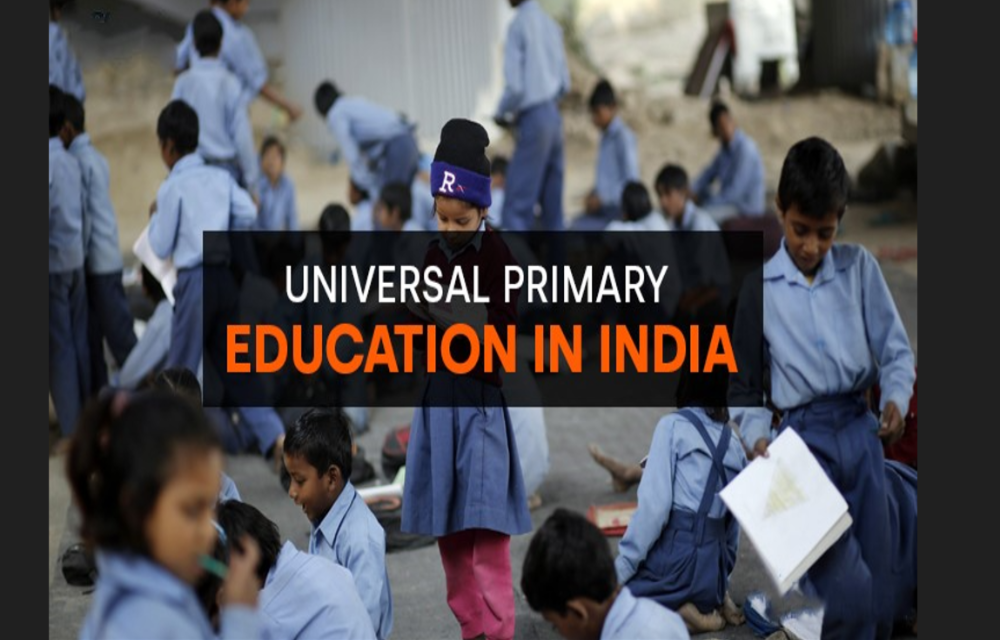
India’s education ministers are committed to achieving universal primary education through a multifaceted approach that emphasizes both access and quality. The government has set clear targets aligned with global Sustainable Development Goals, focusing on eradicating dropout rates, especially in marginalized communities, and ensuring that every child has the opportunity to complete primary education. The ministers believe that universal primary education is fundamental to reducing inequality, fostering national development, and empowering children to participate fully in social and economic life.
To realize this goal, the government has launched several initiatives aimed at increasing enrollment and retention rates. These include strengthening school infrastructure, providing free textbooks and scholastic materials, and expanding midday meal schemes to incentivize attendance. The ministers have also prioritized teacher training and capacity-building programs to improve pedagogical skills, with an emphasis on inclusive and child-centric teaching methods. They work closely with states and local administrations to ensure that policy reforms reach every corner of the country, especially rural and underserved areas.
A significant aspect of their commitment is to leverage technology and innovative assessment systems to monitor progress effectively. The ministers have supported the adoption of digital platforms and data-driven tools to track enrollment, attendance, and learning outcomes, enabling timely interventions for at-risk children. Initiatives like the National Digital Education Architecture (NDEAR) aim to unify digital resources and expand online access. These efforts are complemented by community participation schemes, which involve parents, NGOs, and local leaders to create a supportive environment for school-going children.
Furthermore, the education ministers are actively engaging in high-level forums, conferences, and summits to review progress and set future priorities. The Akhil Bharatiya Shiksha Samagam and other platforms serve as venues for policymakers, educators, and stakeholders to share best practices, address challenges, and reinforce their collective commitment to inclusive education. As they continue to work towards these targets, their focus remains on making education equitable, accessible, and of high quality, ensuring that every child in India can benefit from the transformative power of education.