

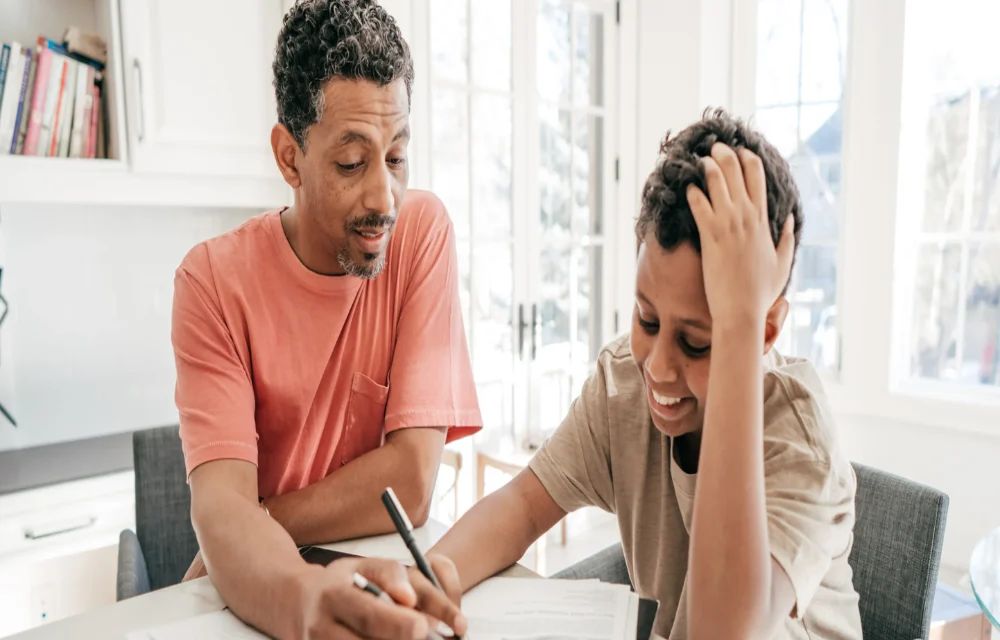
Feasibility of Parent Training
- Parents can be trained to become effective co-teachers at home with appropriate guidance and resources.
- Training programs focus on enhancing parents’ understanding of child development and learning strategies.
- Structured courses and workshops provide parents with tools to support educational activities.
- Digital platforms have increased access to parent training, making it more feasible globally.
- Parents trained as co-teachers help extend learning beyond formal settings into daily routines.
Benefits to Child Development
- Parental involvement through co-teaching promotes consistency and reinforcement of learning concepts.
- Children receive individualized attention and tailored interventions at home.
- Collaboration between parents and professionals improves children’s academic and socio-emotional outcomes.
- Home co-teaching fosters stronger parent-child bonds and motivation for learning.
- Early detection of developmental issues is enhanced through informed parental observation.
Challenges and Considerations
- Not all parents have the time, resources, or confidence to assume co-teacher roles effectively.
- Training must consider varying literacy levels, cultural backgrounds, and parenting styles.
- Ongoing support and communication with professional educators are crucial to sustain engagement.
- Balancing parental involvement with professional guidance avoids role confusion or overwhelm.
- Programs should be flexible, accessible, and tailored to family needs.
Types of Training and Support
- Online courses, community workshops, and home visiting programs offer diverse training formats.
- Emphasis is on practical strategies for play-based learning, behavior management, and language development.
- Training includes guidance on creating learning environments and utilizing everyday materials.
- Peer support groups and mentoring enhance learning and motivation for parents.
- Resources often include multilingual materials and culturally relevant practices.
Impact on Family and Educational Systems
- Trained parent co-teachers contribute to improved school readiness and lifelong learning foundations.
- Parental empowerment strengthens family resilience and educational advocacy.
- Collaborative teaching models bridge home and school environments, promoting holistic development.
- Systematic parent training supports equity by involving underserved families.
Integrating parents as co-educators transforms early childhood education landscapes positively.