
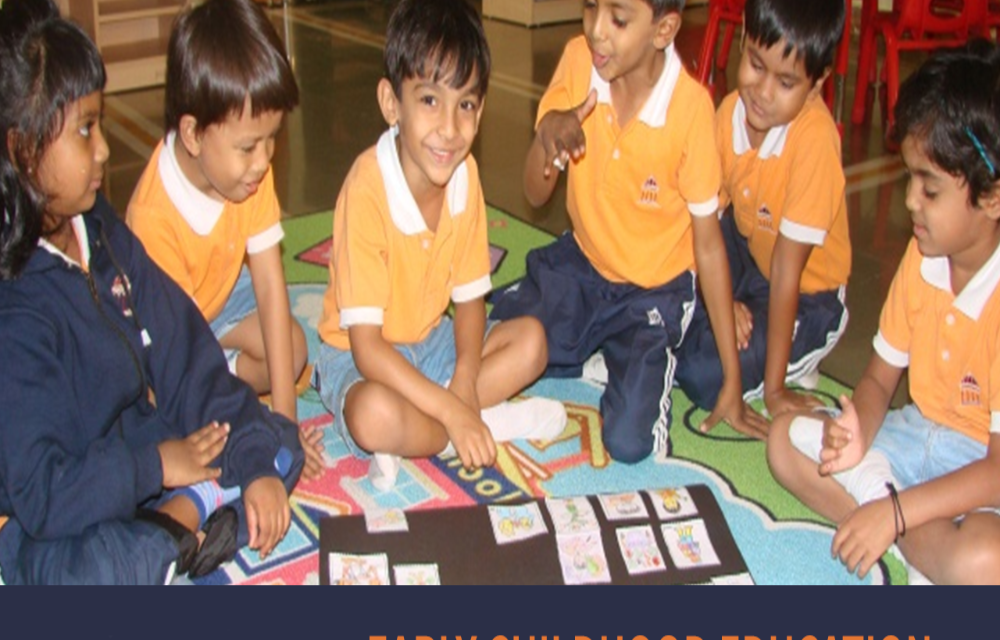
Early childhood education (ECE) is increasingly recognized as a critical factor linked to stronger educational outcomes in primary grades. Research in India indicates that children who attend quality pre-primary programs tend to have better school readiness, including improved social skills, language development, and cognitive abilities, which form the foundation for successful primary education. Early exposure to structured learning environments helps children transition more smoothly into formal schooling by familiarizing them with routines, basic literacy and numeracy concepts, and peer interactions.
Studies such as the India Early Childhood Education Impact Study reveal that children participating in ECE programs show higher school readiness scores compared to peers who did not attend such programs. These children typically demonstrate improved attention spans, problem-solving abilities, and early literacy skills when entering Grade 1, which can result in better academic performance and engagement. Such effects are particularly salient among children from disadvantaged backgrounds, who may lack access to enriching early learning experiences at home.
However, translating early childhood enrollment into sustained higher learning outcomes requires attention to the quality of ECE programs and subsequent primary schooling. Some longitudinal studies in states like West Bengal show that while pre-primary enrollment increased significantly due to government programs, improvements in primary grade test scores, especially in reading and mathematics, were not consistently evident. These findings point to structural challenges such as inadequate school infrastructure, teacher shortages, and limited learning materials, which can diminish the long-term benefits of early education if left unaddressed.
To maximize the positive impact of ECE on primary education, policy efforts emphasize integrating early learning into the broader school ecosystem. The National Education Policy 2020 advocates for a seamless curriculum continuum from preschool to primary grades, teacher training focused on early childhood pedagogies, and investments in physical and learning infrastructure. By strengthening both early childhood and primary education quality and ensuring alignment between them, India aims to nurture well-rounded learners who are equipped to excel academically and socially throughout their educational journeys.