
Introduction
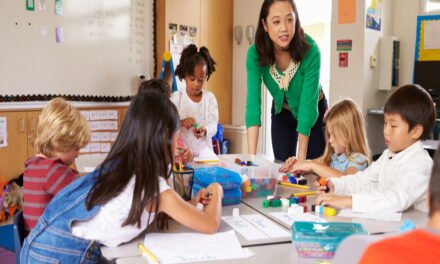
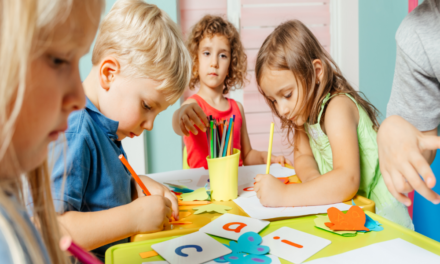
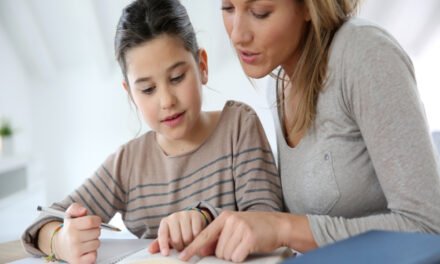
Early moral training is a vital facet of childhood development, laying the foundation for the character, values, and social responsibility that guide individuals throughout life. The early years represent a critical period during which children begin to distinguish right from wrong, develop empathy, and internalize moral principles through experiences and social interactions. Effective early moral training helps children build healthy relationships, navigate social complexities, and develop a sense of justice and fairness. It also contributes to emotional regulation and positive behavior, supporting academic and lifelong success. Recognizing the importance of moral education in early childhood encourages families, educators, and communities to nurture ethical growth from the beginning.
Laying the Foundation for Ethical Understanding
During early childhood, children start grasping the concept of morality in its simplest forms, such as obeying rules and understanding consequences. Early moral training introduces ideas of fairness, honesty, kindness, and respect through everyday interactions, modeling, and discussion. It scaffolds a child’s emerging sense of self and others, promoting consideration of how actions affect people around them. This foundational understanding evolves into deeper moral reasoning that guides ethical behavior beyond mere compliance. Early exposure to moral principles ensures that children learn to navigate social expectations with awareness and integrity.
Cultivating Empathy and Compassion
Empathy—the ability to understand and share the feelings of others—is a cornerstone of moral development nurtured through early training. By observing caring behaviors, engaging in cooperative play, and reflecting on emotions, children develop the capacity to feel for others and respond compassionately. Early moral training teaches children to recognize others’ distress and encourages supportive actions such as sharing or comforting peers. This empathy-building fosters prosocial behaviors, reduces aggression, and helps children build meaningful, respectful relationships. Nurturing empathy early nurtures socially responsible adults.
Supporting Social Functioning and Cooperation
Moral training in early childhood helps children acquire the social skills essential for cooperative living. Learning to share, take turns, follow rules, and resolve conflicts peacefully enables smoother interactions in family, school, and community settings. Early education about fairness and justice helps children appreciate social norms and the importance of respecting diverse perspectives. These skills form the basis for teamwork, friendship, and civic participation later in life. By integrating moral values into social routines and play, children internalize behavioral standards that promote harmony and cooperation.
Enhancing Cognitive and Moral Reasoning
Early moral education fosters the development of critical thinking skills by encouraging children to consider causes and consequences of their actions. Children begin to understand the reasons behind rules and the impacts of fairness and justice. As cognitive capacities grow, children shift from absolute obedience to moral reflection, questioning and reasoning about right and wrong. This growing sophistication supports independent ethical thinking, empowering children to make considered moral choices rather than simply conforming. Early moral training thus stimulates intellectual and moral development simultaneously.
Influencing Emotional Development and Self-Regulation
The emotional component of moral development is closely tied to children’s ability to regulate their feelings and behaviors. Early moral training helps children develop awareness of emotions such as guilt, pride, and shame, which guide moral conduct. These moral emotions motivate children to act ethically and discourage wrongdoing. Experiences that promote emotional literacy—such as discussing feelings, modeling self-control, and praising positive behavior—support moral development. By learning to manage impulses and empathize with others early, children develop stronger self-regulation skills essential for social success.
Preventing Negative Behavior and Promoting Positive Choices
Early moral training serves as a proactive means of preventing problematic behaviors such as aggression, dishonesty, and selfishness. Children who understand moral concepts and internalize values are less likely to engage in harmful or disruptive actions. Teaching about consequences and alternative positive behaviors provides children with tools to make ethical choices autonomously. Consistent reinforcement of moral values through praise and guidance encourages lifelong habits of integrity and respect. Early intervention in moral education thus contributes to safer and more supportive environments for children’s growth.
Fostering Personal Decency and Social Responsibility
Moral training in early childhood nurtures virtues such as honesty, responsibility, fairness, and respect for others that constitute personal decency. These principles prepare children to be conscientious members of their families, schools, and communities. Early moral development instills a sense of duty and ethics that guides behavior in complex social contexts. Children learn that their actions have consequences for themselves and others, supporting the development of social responsibility and civic-mindedness. Cultivating these values early helps build a more just and compassionate society.
Supporting Cultural Awareness and Moral Diversity
Effective early moral training incorporates cultural sensitivity and awareness, acknowledging that moral norms and practices vary across cultures. Teaching children to appreciate diverse perspectives and values fosters tolerance and respect, reducing prejudice and ethnocentrism. Inclusive moral education broadens children’s understanding of justice and kindness beyond their immediate experience, encouraging openness and global empathy. This approach encourages children to navigate moral complexities in pluralistic societies while holding on to core ethical values. Early moral training thus supports cultural competence alongside moral growth.
Conclusion
Early moral training is fundamental in shaping the character, empathy, social skills, and ethical reasoning of young children. By establishing a foundation for understanding right and wrong, nurturing compassion, fostering cooperation, and supporting emotional regulation, moral education prepares children for responsible social participation. It prevents negative behavior, cultivates virtues, and promotes cultural awareness essential for living in diverse societies. Investing in moral development during early childhood creates individuals equipped with integrity and compassion, contributing to healthier communities and a more just world.
Hashtags
#EarlyMoralTraining #ChildDevelopment #EmpathyInChildren #SocialSkills #EthicalEducation #EmotionalRegulation #MoralReasoning #PositiveBehavior #RespectAndKindness #SocialResponsibility #CharacterBuilding #FairnessAndJustice #CivicEducation #EarlyChildhoodEducation #PersonalDecency #CulturalAwareness #InclusiveEducation #VirtueDevelopment #ParentingTips #TeacherRole #MoralGrowth #SocialJustice #CompassionateKids #ChildWellbeing #LifelongValues