
Introduction
Social development is a fundamental aspect of early childhood growth, encompassing the acquisition of skills necessary for effective interpersonal interactions and emotional regulation. From infancy through the preschool years, children pass through distinct stages in which their social abilities evolve from basic attachment to complex group dynamics. These stages mark their increasing awareness of self and others, the development of empathy, cooperation, and the understanding of societal norms. A thorough knowledge of these stages enables educators, parents, and caregivers to support children appropriately, fostering healthy social and emotional growth essential for their lifelong well-being.
Infancy (0-2 Years): Building Trust and Attachment
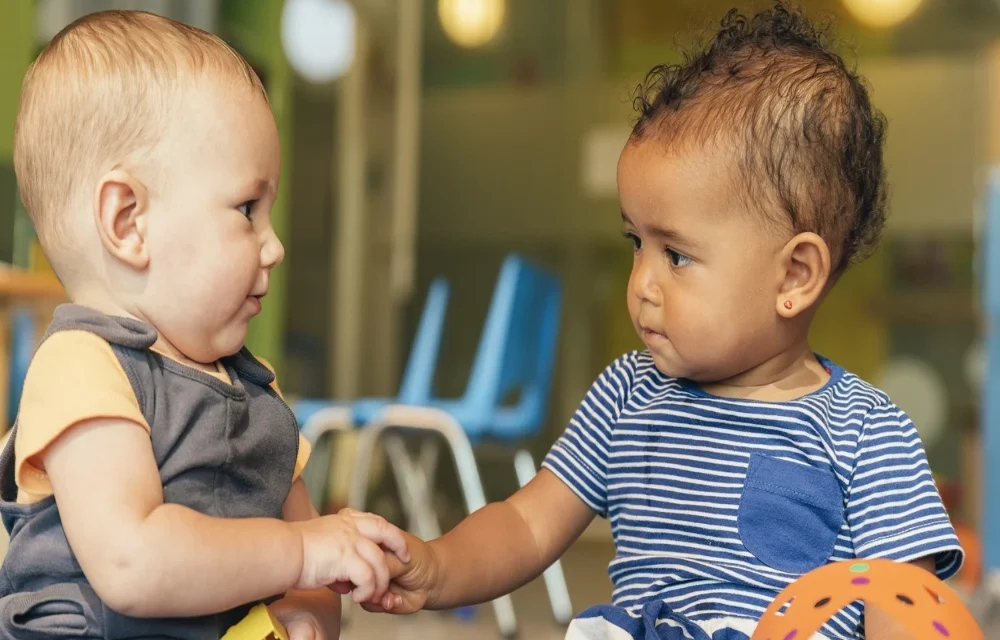
The earliest stage of social development occurs in infancy, where the primary task is forming secure emotional bonds with caregivers. Infants express emotions such as joy, distress, and affection through crying, smiling, and physical closeness. Responsive and consistent caregiving nurtures trust, providing a foundation for secure attachment and emotional security. This initial relationship sets the framework for future social interactions and influences children’s ability to regulate emotions and form relationships. In this stage, social development focuses on recognizing familiar faces, responding to voices, and beginning to communicate needs non-verbally.
Toddlerhood (2-3 Years): Autonomy and Parallel Play
During toddlerhood, children assert their independence and begin exploring their environment more actively. They experience a broad spectrum of emotions including frustration, joy, and empathy, as they test boundaries and develop self-control. At this stage, social interactions are characterized by “parallel play” – children play alongside but not directly with their peers. They learn about sharing, cooperation, and the early concepts of turn-taking. Toddlers also begin to demonstrate an awareness of others’ feelings and intentions. This stage is marked by significant strides toward autonomy balanced with the need for adult guidance to navigate social expectations.
Preschool Years (3-5 Years): Initiative and Cooperative Play
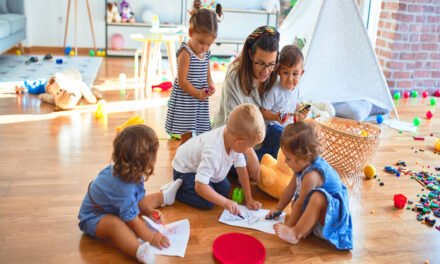
Preschoolers become more confident and begin engaging in more sophisticated social interactions. They participate in cooperative play, form friendships, and demonstrate increased understanding of social roles and group responsibilities. Emotional regulation improves as children manage feelings such as jealousy, frustration, and happiness, developing empathy and perspective-taking abilities. At this stage, children learn to negotiate, resolve conflicts, and share experiences, fostering prosocial behavior. The preschool period is critical for nurturing social competence and a sense of community, as children practice rules, engage in imaginative play, and experiment with leadership and collaboration.
Early Primary Years (5-6 Years): Emotional Awareness and Problem-Solving
By early primary years, children gain greater self-awareness and sensitivity to the emotions of others. They become adept at recognizing social cues, managing conflicts, and communicating needs assertively and respectfully. Problem-solving skills emerge as children navigate complex group interactions and learn to balance personal desires with social norms. They exhibit greater impulse control and develop moral reasoning, understanding right from wrong in social contexts. This stage of social development is foundational for successful classroom integration and the formation of enduring friendships and cooperative learning behaviors.
Middle Childhood (6-8 Years): Developing Relationships and Social Responsibility
In middle childhood, peer relationships deepen, and social networks expand. Children develop a clearer sense of identity and are influenced increasingly by friendships and peer approval. They learn to assume responsibilities within groups and develop advanced social skills such as negotiation, empathy, and teamwork. Social development during this period supports identity formation as children compare themselves to others and seek belonging. Moral development continues with greater understanding of fairness and justice. These years are crucial for reinforcing positive social habits and emotional resilience.
Late Childhood (9-11 Years): Refinement of Social Skills and Self-Concept
Late childhood is marked by the refinement of social interaction skills and greater independence from family influences. Children develop complex social competencies including leadership, conflict mediation, and emotional support for peers. They become more aware of social hierarchies and the importance of reputation among friends. Self-concept becomes more nuanced as children understand their strengths, weaknesses, and social roles. This period prepares children for early adolescence by fostering autonomy, self-esteem, and the capacity for deeper interpersonal connections.
Adolescence Onset (12-15 Years): Peer Influence and Identity Exploration
As children transition into adolescence, peer interactions become central to social development. Adolescents test boundaries, form stronger friendships, and explore diverse identities and values. Social cognition advances, enabling greater understanding of abstract social concepts such as loyalty, trust, and social justice. Conflicts may increase as adolescents assert independence and establish personal beliefs distinct from family norms. This stage is critical for developing emotional regulation, moral values, and the ability to navigate complex social landscapes.
The Role of Social Development in Holistic Growth
Each stage of social development provides foundational skills for holistic child growth. Social competence supports cognitive and emotional development, enabling children to engage effectively in learning and build supportive relationships. Early social experiences influence mental health, academic readiness, and future interpersonal success. Awareness and support of these stages empower educators and caregivers to foster environments rich in social learning opportunities, guided conflict resolution, and relationship-building, ensuring children gain the social skills needed for lifelong well-being.
Conclusion
Social development in early childhood unfolds through distinct stages, beginning with attachment in infancy and progressing to complex social behaviors in later childhood and adolescence. Each stage builds essential skills in emotional regulation, communication, cooperation, and identity formation. Understanding these stages allows for targeted support that respects children’s emerging abilities and social needs. By nurturing social development alongside cognitive and emotional growth, caregivers and educators lay the foundation for healthy relationships, inclusive communities, and successful futures for children.
Hashtags
#SocialDevelopment #EarlyChildhoodEducation #EmotionalGrowth #PeerInteraction #CooperativePlay #ChildDevelopment #SocialSkills #EmotionalRegulation #PreschoolLearning #ChildPsychology #AttachmentTheory #SocialCompetence #LifespanDevelopment #MoralDevelopment #IdentityFormation #ChildhoodMilestones #ConflictResolution #EarlyLearning #InclusiveEducation #SocialCognition #FriendshipSkills #SchoolReadiness #ChildWellbeing #EmotionalIntelligence #PositiveRelationships #HolisticDevelopment