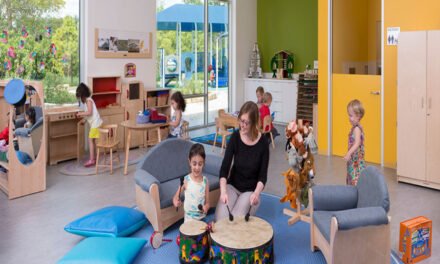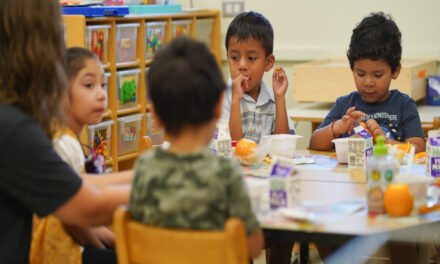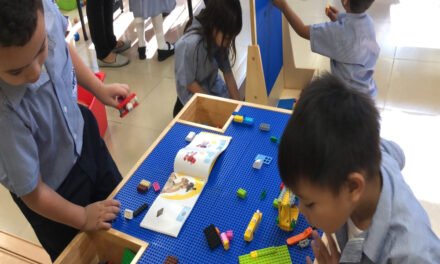


Community partnerships are instrumental in strengthening early childhood programs by fostering collaborative relationships between families, providers, local organizations, and the wider community. Such collaborations create a support system that enhances access to resources, services, and opportunities that benefit young children’s development. When communities actively engage with early childhood education providers, they contribute to creating a nurturing environment conducive to social, emotional, and cognitive growth, thereby improving overall educational outcomes.
The involvement of families in community partnerships promotes higher levels of engagement and shared responsibility for children’s learning and well-being. Parent-teacher collaborations foster meaningful learning experiences, which are linked to improved developmental progress. When parents and educators work together, they create a consistent, supportive environment that reinforces learning both at home and in educational settings. This partnership helps parents better understand their children’s needs and equips them with strategies to support their development, resulting in more cohesive and personalized care.
A strong community network also provides children with opportunities for social interaction, cultural inclusion, and diverse hands-on experiences. Local organizations such as libraries, health clinics, and cultural centers contribute resources that expand the scope of early learning. Additionally, community-based activities and events foster a sense of belonging and belongingness for children and families. This sense of connection nurtures resilience, confidence, and social skills, which are essential for children’s success in school and life.
Moreover, collaborative community efforts are effective in advocating for policies and practices that improve early childhood services and address systemic inequalities. When communities unite, they can influence policy decisions, secure funding, and promote inclusive practices that ensure equitable access for disadvantaged or marginalized populations. Through sustained partnerships, early childhood programs become more responsive to local needs, leading to resilient and vibrant communities where children have the opportunity to thrive and reach their full potential.