
Definition and Purpose of Structured Play
- Structured play is intentionally designed with specific learning objectives and guided by adults to support educational goals.
- It includes activities such as phonics games, puzzles, storytelling with prompts, and thematic role-play.
- The purpose is to combine fun with focused skill development like literacy, numeracy, or social-emotional growth.
- Structured play allows for measurable learning outcomes while maintaining engagement and motivation.
- It balances adult direction with child creativity and autonomy within defined frameworks.
Cognitive and Academic Benefits
- Structured play promotes critical thinking, problem-solving, and concentration.
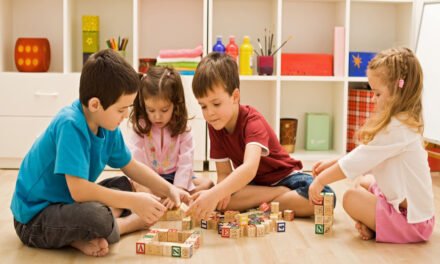
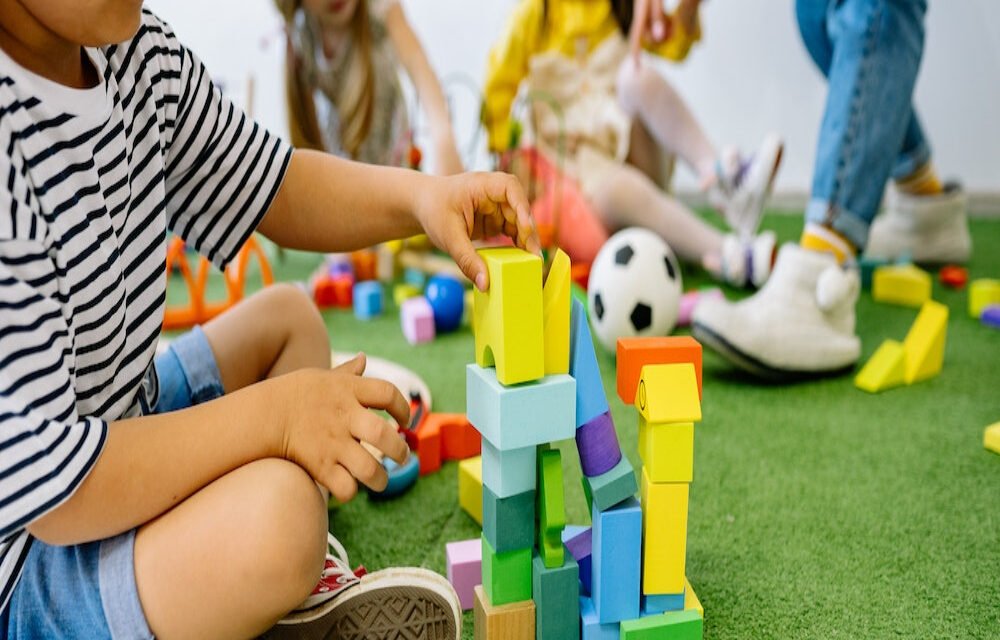
- Activities like board games or building challenges develop logical reasoning and planning skills.
- Language development thrives through guided storytelling, vocabulary expansion, and listening exercises.
- Playing with rules helps children understand structure, sequencing, and cause-effect relationships.
- It makes foundational academic concepts accessible and enjoyable.
Social and Emotional Development
- Structured play nurtures cooperation, turn-taking, and respect for rules among peers.
- Children learn to manage emotions like frustration and develop patience through guided activities.
- It fosters resilience by encouraging persistence and learning from mistakes.
- Adult facilitation supports positive interactions, empathy, and conflict resolution skills.
- These experiences build confidence and social competence essential for school readiness.
Balancing Freedom with Guidance
- Structured play provides a safe framework while allowing children to explore and express ideas.
- Flexibility within structure accommodates individual interests and developmental levels.
- Encourages creativity and problem-solving while maintaining focus on specific goals.
- Avoids the rigidity of overly prescriptive tasks that might stifle imagination.
- Integrating structured and unstructured play offers holistic benefits.
Integration into Early Education
- Many early childhood curricula incorporate structured play as a regular learning method.
- Educators use it to scaffold skills before transitioning to more formal instruction.
- Parents and teachers collaborate to reinforce learning objectives through play.
- Structured playtime complements free play and traditional lessons to enrich overall development.
- Research supports its role in boosting engagement, motivation, and academic success.