

Introduction
Quality preschool programs play a foundational role in shaping young children’s academic, social, emotional, and physical development. The structure of such programs embodies several essential components that collectively create an environment conducive to holistic growth and effective learning. Identifying and implementing these components ensures that preschool education not only prepares children for formal schooling but also fosters lifelong skills and positive attitudes toward learning. This essay explores the main components integral to quality preschool programs, emphasizing the critical elements that define effective early childhood education.
Qualified and Caring Teachers
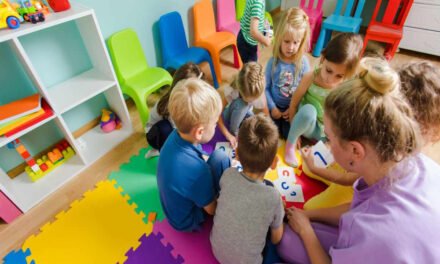
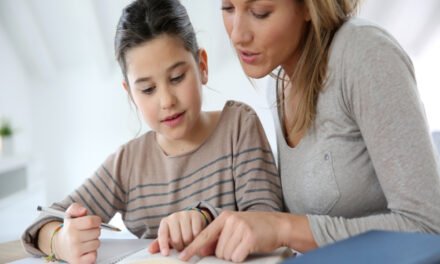
The most critical component of quality preschool programs is a team of qualified, well-trained, and compassionate teachers. Educators with specialized knowledge in early childhood development and pedagogy create nurturing environments that promote engagement, curiosity, and skill-building. Beyond academic qualifications, teachers’ personality, patience, empathy, and genuine interest in children influence the classroom atmosphere and students’ emotional security. These educators adapt instructional techniques to children’s developmental stages and individual needs, ensuring personalized support and encouragement.
Small Class Sizes and Favorable Teacher-Child Ratios
Small class sizes and low teacher-child ratios significantly enhance quality in preschool settings. They allow for meaningful, individualized attention, close observation, and tailored intervention when necessary. Research underscores that reduced group sizes foster better social interactions, decreased behavioral problems, and increased learning opportunities. Small groups enable educators to develop strong, trusting relationships with children, promoting a respectful and supportive learning environment.
Developmentally Appropriate Curriculum
A well-designed preschool curriculum is age-appropriate, holistic, and rooted in developmental research. It balances foundational academic skills such as early literacy, numeracy, and science exploration with socio-emotional learning, physical activity, and creativity. Quality curricula offer diverse, engaging activities that stimulate cognitive growth, motor skills, and communication. Moreover, the curriculum is flexible and inclusive, accommodating diverse cultures, languages, and learning styles. A thoughtful curriculum lays a robust foundation for academic readiness.
Play-Based and Child-Centered Learning
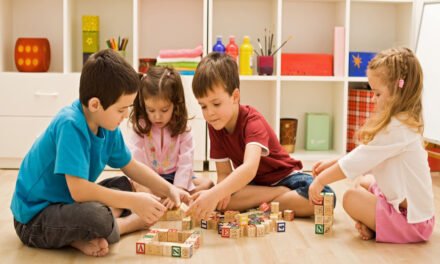
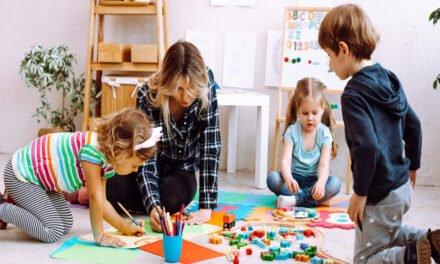
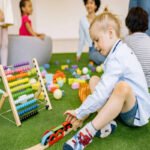
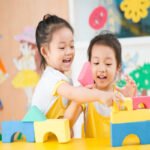
Central to quality preschool programs is the emphasis on play-based and child-centered learning approaches. Through structured and unstructured play, children develop problem-solving skills, imagination, social competence, and emotional regulation. Child-centered pedagogy prioritizes learners’ interests, pace, and choices, empowering autonomy and intrinsic motivation. Play-based frameworks use rich materials and interactive experiences to foster enquiry, collaboration, and joy in learning.
Safe and Stimulating Learning Environments
Physical safety and cognitive stimulation are vital characteristics of quality preschool environments. Classrooms and outdoor spaces must be clean, well-maintained, and equipped with age-appropriate, culturally relevant materials that encourage exploration and creativity. Environments are organized to promote independence, social engagement, and comfort, reflecting children’s natural interests. Safety protocols and supervision ensure protection from accidents and health risks, enabling children to explore freely and confidently.
Family Engagement and Communication
Strong partnerships between preschools and families enhance child outcomes and program quality. Quality programs actively involve parents through consistent communication, family education, and opportunities for participation. Sharing information about children’s progress, development, and needs strengthens home-school alignment. Family engagement embraces diverse cultural backgrounds and promotes parent empowerment, fostering a holistic support system vital for children’s growth.
Continuous Professional Development and Support for Educators
Sustained professional growth is integral to maintaining quality in preschool programs. Opportunities for ongoing training, reflective practice, and peer collaboration ensure educators stay informed about current research, pedagogical innovations, and inclusive practices. Professional development enhances teacher competence, job satisfaction, and instructional effectiveness. Quality programs support educators through mentoring, resources, and positive work environments, promoting stability and leadership.
Assessment and Monitoring of Child Progress
Regular assessment and monitoring within quality preschool programs provide essential feedback on children’s developmental progress. Developmentally appropriate assessment tools guide individualized planning and inform instruction. Assessments encompass cognitive, social, emotional, and physical domains, ensuring comprehensive understanding. Documentation such as portfolios, observations, and parent-teacher conferences facilitate communication and continuous adjustment to meet children’s evolving needs.
Conclusion
The main components of quality preschool programs encompass qualified and caring teachers, manageable class sizes, developmentally appropriate and play-based curriculum, safe and stimulating environments, robust family engagement, sustained professional development, and systematic assessment. These elements work synergistically to create nurturing, inclusive, and enriching early learning experiences. Quality preschool programs are essential for promoting children’s holistic development, school readiness, and lifelong success. Recognizing and investing in these core components supports the goal of providing every child with the best possible start in life.
Hashtags
#QualityPreschool #EarlyChildhoodEducation #QualifiedTeachers #SmallClassSizes #DevelopmentallyAppropriate #PlayBasedLearning #ChildCenteredEducation #SafeLearningEnvironment #FamilyEngagement #ProfessionalDevelopment #ChildAssessment #HolisticDevelopment #InclusiveEducation #EarlyLearning #TeacherChildRatio #SchoolReadiness #SocialEmotionalLearning #CreativePlay #CurriculumDesign #ParentalInvolvement #LearningThroughPlay #EarlySkills #EducationalQuality #ChildDevelopment #LifelongLearning