
Introduction
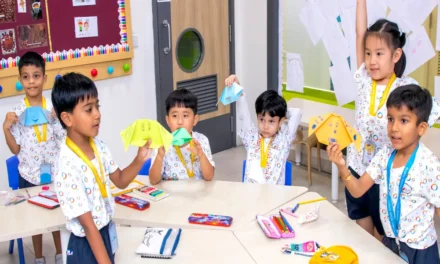
Managing classroom diversity is an essential skill for educators in today’s increasingly multicultural and multifaceted learning environments. Diversity encompasses differences in culture, language, socio-economic background, learning styles, and abilities, all of which influence how students learn and interact. Effective management of this diversity creates inclusive classrooms where every child feels valued and has equitable opportunities to succeed. Through intentional strategies, teachers can leverage diversity as a strength rather than a challenge, promoting understanding, respect, and collaboration among students. Understanding diverse classrooms and employing suitable management strategies ensure positive academic and social outcomes for all learners.
Cultural Sensitivity and Awareness
Cultural sensitivity is foundational to managing classroom diversity. Educators must recognize and respect the varied cultural backgrounds and practices represented in their classrooms. This involves learning about students’ traditions, beliefs, communication styles, and social norms to avoid misunderstandings or unintentional exclusion. Being culturally aware allows teachers to create an environment where diverse perspectives are valued and integrated into daily interactions and curriculum content. This awareness promotes mutual respect, reduces cultural biases, and encourages children to honor their own and others’ identities, fostering a positive and inclusive classroom climate.
Differentiated Instruction
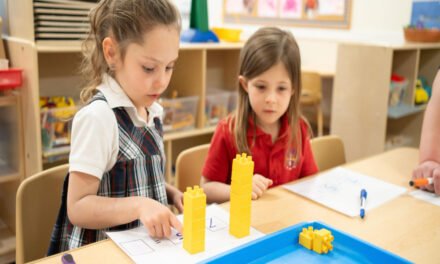
Differentiated instruction is a key strategy for addressing the diverse learning needs of students. Recognizing that children vary in readiness, interests, and learning profiles, teachers must tailor their teaching methods, materials, and assessments to meet individual needs. This approach may involve varying the complexity of tasks, using multiple teaching styles, or offering choices in how students demonstrate learning. Differentiated instruction maximizes engagement and success by “meeting students where they are,” preventing frustration or boredom. It also respects diverse intelligences and fosters self-confidence by allowing each child to progress at an appropriate pace.
Flexible Grouping and Cooperative Learning
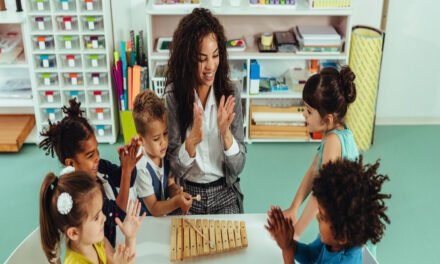
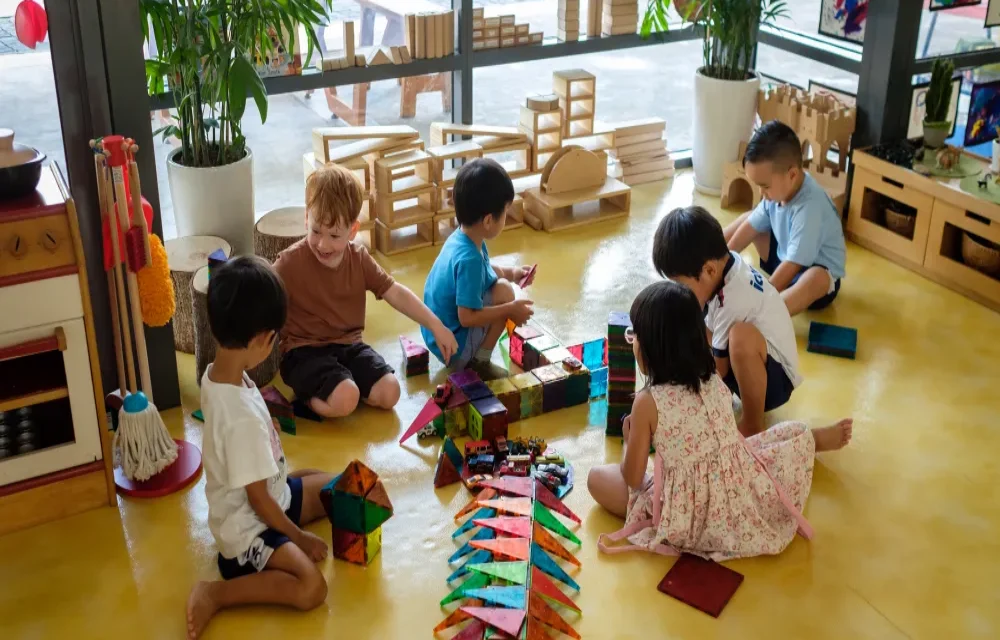
Grouping strategies facilitate peer learning and social development. Teachers can create flexible groups based on ability, interests, or random selection to encourage diverse social interactions. Cooperative learning tasks require collaboration, communication, and shared responsibility, helping students appreciate different viewpoints and skill sets. These interactions promote empathy and reduce social barriers, contributing to a cohesive classroom community. Group work also enables scaffolded learning where peers support one another, making diversity a resource for collective growth rather than isolation.
Inclusive Curriculum and Materials
Incorporating diverse perspectives within curriculum content and instructional materials ensures that all students see themselves reflected in their learning experiences. Books, stories, historical accounts, and examples should represent a wide range of cultures, languages, and experiences. An inclusive curriculum broadens students’ worldviews, counters stereotypes, and promotes cultural appreciation. This strategy also enhances engagement as children connect personally with the material. Using multilingual resources and culturally relevant content supports language learners and enriches the learning environment for everyone.
Establishing Clear Expectations and Respectful Norms
Clear, consistent classroom expectations and behavioral norms provide structure and security for all students, particularly important in diverse settings. Teachers must establish rules that emphasize respect, tolerance, and kindness while being clear about consequences for inappropriate behaviors. Norms should be communicated in ways accessible to children with varying linguistic and cultural backgrounds. Consistency fosters fairness and trust, reducing misunderstandings and conflicts related to behavioral differences. Emphasizing respect for diversity within these rules sets the tone for an inclusive and safe learning space.
Building Relationships and Understanding Students
Effective management of diversity requires teachers to build meaningful relationships with students to understand their needs, backgrounds, and strengths. Getting to know students individually allows educators to tailor support, recognize cultural nuances, and advocate effectively. Relationship-building fosters trust and a sense of belonging, motivating students to actively participate and respect one another. This personalized approach helps identify and address potential challenges early, promoting equitable learning experiences and emotional well-being.
Encouraging Open Communication and Dialogue
Creating opportunities for open, respectful communication among students promotes understanding and inclusion. Facilitating discussions about diversity, identity, and empathy helps children express their experiences and learn from peers. Guidelines for respectful dialogue ensure all voices are heard and valued, fostering a classroom culture that embraces differences. Encouraging questions and curiosity about diverse cultures and perspectives enhances social awareness and prepares students for global citizenship.
Professional Development and Reflective Practice
Teachers managing diverse classrooms benefit from ongoing professional development focused on cultural competence, inclusive pedagogy, and differentiated instruction. Reflective practice encourages educators to continually assess their biases, teaching approaches, and classroom climate. Participating in diversity training equips teachers with tools and strategies to handle challenges sensitively and creatively. A commitment to learning and adaptation strengthens teachers’ confidence and effectiveness in diverse educational settings.
Conclusion
Managing classroom diversity with intentional, informed strategies creates inclusive, respectful, and dynamic learning environments. Through cultural sensitivity, differentiated instruction, flexible grouping, and an inclusive curriculum, teachers address the unique needs of diverse learners while fostering collaboration and empathy. Clear expectations, relationship-building, open dialogue, and professional development further support equitable outcomes for all students. Embracing diversity as an asset enhances academic achievement and social harmony, preparing children to thrive in a multicultural world.
Hashtags
#ClassroomDiversity #InclusiveEducation #CulturalSensitivity #DifferentiatedInstruction #CooperativeLearning #DiverseCurriculum #StudentEngagement #RespectfulClassroom #TeacherDevelopment #EquityInEducation #SocialInclusion #EarlyChildhoodEducation #EducationForAll #BuildingRelationships #OpenDialogue #GlobalCitizenship #EmpathyInSchools #FlexibleGrouping #PositiveClassroomClimate #EducationalEquity #CulturallyResponsiveTeaching #CommunityBuilding #ReflectivePractice #TeacherTraining #StudentSuccess #DiversityAwareness