
Introduction
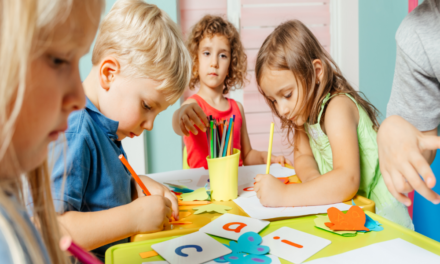
Experiential play is a dynamic and interactive form of learning that engages children through direct, hands-on experiences and active exploration. It emphasizes “learning by doing” and encourages children to make sense of the world through discovery, problem-solving, and creative expression. Experiential play goes beyond traditional structured activities by inviting children to immerse themselves in meaningful, often self-directed activities that challenge their thinking, creativity, and social skills. This concept recognizes the holistic nature of child development, integrating cognitive, emotional, physical, and social domains through real-life and sensory-rich play experiences. Understanding experiential play is fundamental for educators, caregivers, and parents aiming to foster deep learning and growth in early childhood settings.
Defining Experiential Play
Experiential play can be defined as a process where children acquire knowledge, skills, and attitudes through active participation in purposeful and often playful activities that involve direct experience. Unlike passive learning, where information is merely received, experiential play demands engagement, reflection, and application. It is characterized by sensory involvement, emotional investment, and social interaction. This type of play is often unstructured or semi-structured, allowing children freedom to explore materials, ideas, and relationships on their own terms. It supports the natural curiosity and intrinsic motivation that drives young learners to experiment and learn meaningfully.
Cognitive Development Through Experiential Play
Experiential play has a powerful impact on cognitive development by stimulating critical thinking, problem-solving, and creativity. When children manipulate objects, test hypotheses, or build structures, they engage in trial-and-error learning that strengthens neural connections. For example, constructing a tower with blocks requires planning, spatial reasoning, and adjustment strategies. Experiential play encourages children to ask questions, make predictions, and observe outcomes, promoting scientific thinking and logical reasoning. The hands-on nature of such play ensures that learning is memorable and transferable to new contexts.
Emotional and Social Growth in Experiential Play
Engagement in experiential play supports emotional intelligence and social skills by encouraging cooperation, empathy, and self-regulation. Children often participate in group activities such as pretend play or collaborative projects where they negotiate roles, manage conflicts, and share resources. These interactions teach important social rules and emotional management techniques. Experiential play also serves as a safe space for children to express and process their feelings, fears, and joys through role-playing or storytelling. This enriches their self-awareness and capacity for empathy, vital for successful interpersonal relationships.
Physical and Sensorial Benefits of Experiential Play
Experiential play is deeply rooted in sensory experiences and physical activity. Sensory-rich play involving textures, sounds, movements, and spatial exploration stimulates brain development and fine and gross motor skills. Manipulating clay, painting, or outdoor exploration integrates tactile and kinesthetic learning, enhancing hand-eye coordination and body awareness. Physical engagement boosts health, stamina, and confidence while providing natural outlets for energy and stress. By involving multiple senses, experiential play supports the development of well-rounded, active learners.
Fostering Creativity and Imagination
Creativity flourishes in experiential play as children explore open-ended materials and scenarios without pre-set outcomes. The freedom to experiment, adapt, and invent nurtures imaginative thinking and divergent problem-solving. Whether crafting art, inventing stories, or experimenting with natural materials, children discover new possibilities and develop a mindset of curiosity and innovation. This creative confidence is key to developing a lifelong love of learning and the ability to adapt flexibly to new challenges or environments.
Role of Educators and Caregivers in Facilitating Experiential Play
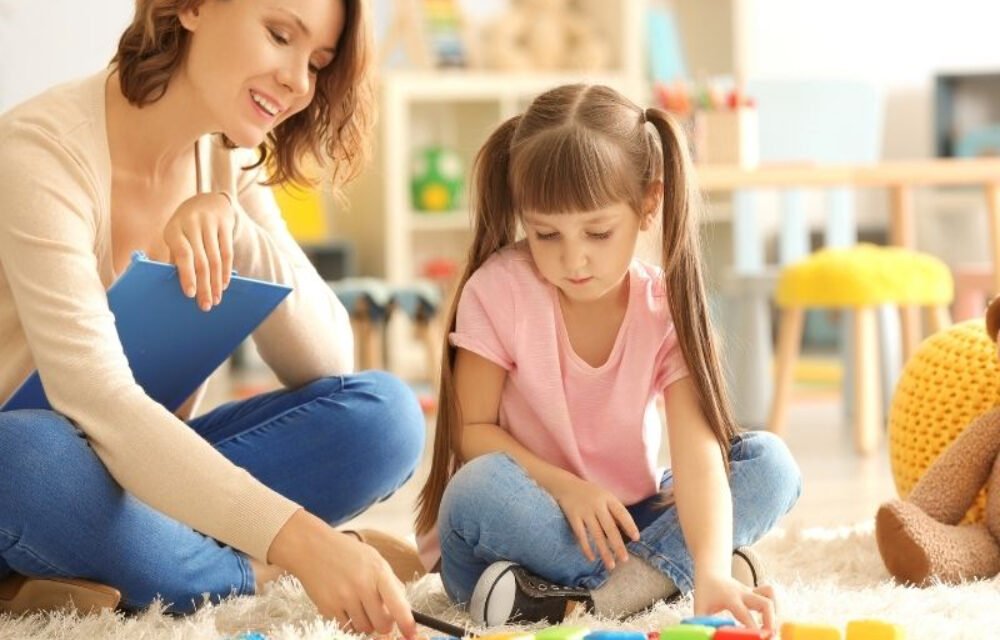
While experiential play is often child-led, educators and caregivers play a supportive role in nurturing and guiding the learning process. They create environments rich in diverse, accessible materials and opportunities for exploration. Adults observe children’s interests and developmental levels to introduce provocations or challenges that extend thinking without undermining autonomy. Engaging in reflective dialogues, asking open-ended questions, and encouraging collaboration further deepen learning. Facilitators ensure the play space is inclusive, safe, and responsive to individual needs, maximizing the benefits of experiential play.
Experiential Play and Holistic Child Development
Experiential play supports holistic development by integrating multiple learning domains simultaneously. Through active engagement, children develop cognitive abilities, social competence, emotional resilience, physical coordination, and creative expression. This interconnected growth lays a robust foundation for academic achievement and life skills. The experiential approach acknowledges that children learn best when learning is meaningful, relevant, and embodied. It fosters engagement, motivation, and joy in learning, transforming the educational experience into a vibrant, lifelong journey.
Conclusion
Experiential play is a vital concept in early childhood education that champions learning through active, hands-on engagement with the world. It nurtures cognitive, emotional, social, physical, and creative development by allowing children to explore, experiment, and reflect within supportive environments. By emphasizing “learning by doing,” experiential play cultivates critical thinking, empathy, creativity, and resilience, essential for comprehensive development. Educators play a pivotal role in designing rich play experiences that respect children’s autonomy while guiding their discovery process. Ultimately, experiential play creates meaningful, joyful learning experiences that empower children to become confident, capable lifelong learners.
Hashtags
#ExperientialPlay #HandsOnLearning #EarlyChildhoodEducation #ActiveLearning #ChildDevelopment #PlayBasedLearning #CreativePlay #CognitiveGrowth #EmotionalIntelligence #SocialSkills #PhysicalDevelopment #SensoryPlay #ImaginativePlay #EducatorRole #ChildLedLearning #Exploration #ProblemSolving #CuriosityDriven #ReflectiveLearning #CollaborativePlay #HolisticDevelopment #LifelongLearning #CreativeConfidence #InclusivePlay #MotivationInLearning