
Introduction
Building communication skills in preschoolers is a vital component of early childhood education, laying the foundation for their academic success, social development, and emotional well-being. At this stage, children are rapidly acquiring language and learning to use it as a tool for expressing themselves, understanding others, and navigating their environment. The process of developing communication skills is complex and involves nurturing both verbal and non-verbal forms of expression, listening abilities, and social interaction. Educators and caregivers play a critical role in providing rich, supportive language experiences, modeling positive communication, and creating environments that encourage active engagement and exploration of language.
Exposure to Rich Language Environments
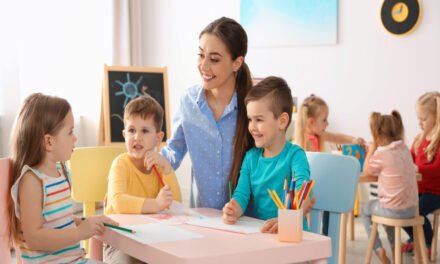
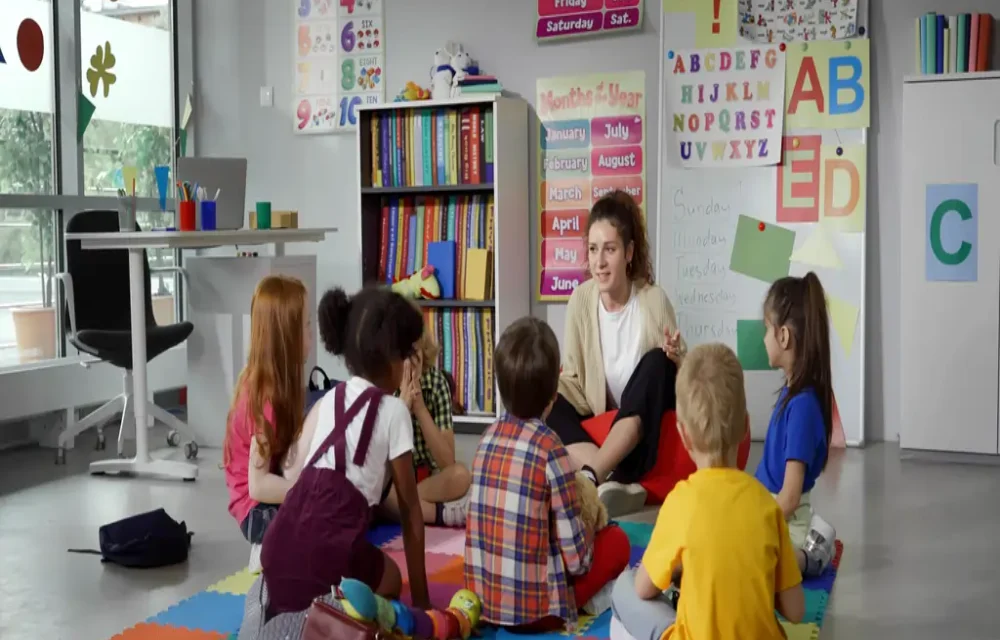
One of the primary ways to build communication skills in preschoolers is by immersing them in environments rich with spoken and written language. Children learn best through meaningful interactions that expose them to varied vocabulary, sentence structures, and expressive styles. Teachers and caregivers foster this by narrating daily routines, explaining concepts, and engaging children in conversations. Reading aloud from age-appropriate books and incorporating storytelling further introduces children to language rhythms, new words, and narrative structures. A language-rich environment stimulates curiosity, comprehension, and encourages children to experiment with new words and ideas.
Engaging in Conversational Exchanges
Active, reciprocal conversations provide children with practice in turn-taking, listening, and articulating thoughts clearly. Engaging preschoolers in dialogues where their responses are valued builds confidence and communication skills. Adults support this by asking open-ended questions related to children’s interests or experiences, encouraging elaboration rather than simple yes/no answers. Through these interactions, children learn to organize their ideas, use descriptive language, and adapt their communication to different listeners. Encouraging peer conversations through activities such as “show and tell” or group projects extends practice beyond adult-child exchanges, promoting social language skills and cooperative dialogue.
Modeling Effective Communication
Teachers and caregivers model communication styles that preschoolers emulate. This includes clear articulation, appropriate tone, expressions of emotions, and positive social behaviors like polite requests and active listening. By demonstrating how to give and receive feedback, express feelings, and solve conflicts verbally, adults guide children in refining their communication repertoire. Modeling also involves non-verbal communication such as facial expressions, gestures, and body language which are integral to effective communication. When adults use respectful and engaging communication, children learn the social rules of conversation and develop empathy and understanding.
Supporting Emerging Literacy Skills
Communication development is closely linked with early literacy learning, and building these skills involves integrating spoken and written language experiences. Activities such as shared reading, rhyming games, and storytelling introduce phonological awareness and vocabulary essential for reading and writing. Encouraging children to recognize letters, sounds, and simple words while linking them to everyday language supports their decoding and comprehension skills. Writing activities that allow children to express ideas with drawings or letters nurture symbolic understanding and reinforce communication as a multi-modal process. This balanced approach strengthens children’s ability to communicate effectively across different media.
Encouraging Emotional Expression and Self-Regulation
Effective communication skills include the ability to express emotions verbally in constructive ways. Young children often experience difficulty articulating feelings and may resort to physical expressions of frustration or anxiety. Educators foster emotional literacy by naming emotions during conversations, modeling calm expression, and teaching vocabulary for feelings. Role-playing social scenarios helps children practice expressing needs and resolving conflicts using words. Developing these emotional communication skills supports self-regulation, social competence, and reduces behavioral challenges. When children feel understood and are able to express themselves clearly, their confidence and relationships improve.
Incorporating Play and Creative Activities
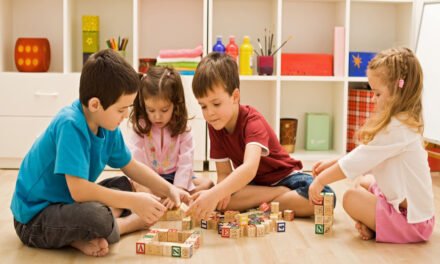
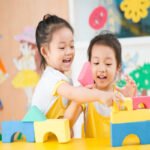
Play provides a natural context for language experimentation, social communication, and narrative development. Through pretend play, storytelling, songs, and games, children acquire and practice communication skills in engaging, low-pressure settings. Play encourages vocabulary expansion, turn-taking, negotiation, and sequencing language. Creative activities like puppet shows, dramatic play, and collaborative projects stimulate expressive and receptive language. Educators who intentionally integrate language-rich play opportunities support children’s communication growth while nurturing creativity and social bonds. Play thus becomes an essential pedagogical strategy in language development.
Using Visual and Alternative Communication Supports
Not all preschoolers develop communication at the same pace, and some may need additional support due to language delays, hearing impairments, or other challenges. Incorporating visual supports such as picture cards, gestures, and sign language can bridge communication gaps and facilitate understanding. Technology-based tools, speech therapy interventions, and interactive apps also aid language acquisition. Providing alternative modalities respects individual needs and fosters inclusive communication development. Early identification and tailored assistance ensure children receive appropriate scaffolding to build confidence and skills in expressing themselves.
Continuous Observation and Responsive Interaction
Building communication skills requires ongoing observation of each child’s developmental stage, interests, and needs. Educators use observational assessment to tailor interactions, selecting activities and language experiences that are challenging yet achievable. Responsive interactions, where adults follow children’s leads and extend their utterances, enrich language exposure and reinforce learning. Reflecting on observation findings informs curriculum planning and individualized support. A differentiated, child-centered approach maximizes communication development by respecting the pace and preferences of each learner.
Conclusion
The process of building communication skills in preschoolers is multifaceted, involving exposure to rich language environments, active conversational practice, and modeling by adults. Supporting emerging literacy, emotional expression, and incorporating play-based and creative language activities fosters holistic development. Visual and alternative communication supports ensure inclusivity for diverse learners. Continuous observation and responsive interaction enable personalized teaching that meets children’s unique needs. Together, these methods create a nurturing environment where preschoolers develop confident, effective communication abilities critical for lifelong learning and social success.
Hashtags
#CommunicationSkills #PreschoolEducation #EarlyChildhoodDevelopment #LanguageDevelopment #ActiveListening #Storytelling #PlayBasedLearning #EmotionalExpression #LiteracySkills #ModelingLanguage #InclusiveEducation #VisualSupports #ChildCenteredLearning #SocialSkills #EarlyLearning #LanguageAcquisition #SelfRegulation #CreativePlay #TeacherRole #FamilyEngagement #CommunicationStrategies #ChildDevelopment #SpeechDevelopment #EarlyIntervention #HolisticLearning