
Introduction
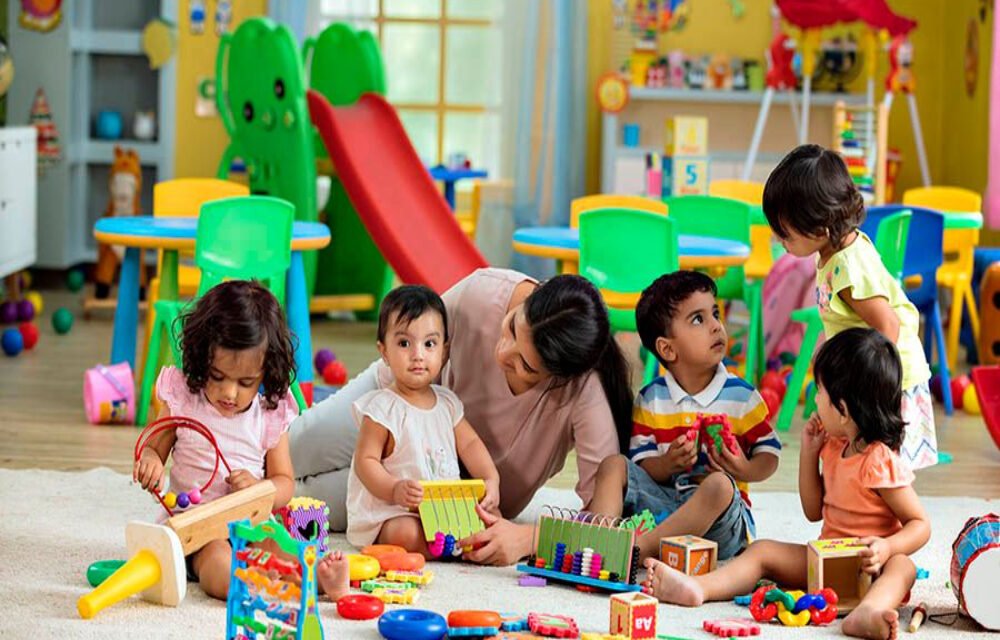
Motor skills development is a fundamental aspect of preschool education, playing a crucial role in shaping children’s overall growth. During the preschool years, which typically encompass ages three to five, children experience significant improvements in both gross and fine motor coordination that underpin learning, social interaction, and daily functional abilities. Early childhood settings provide rich opportunities for children to practice and refine motor skills through structured activities and free play. These experiences not only build physical capabilities but also contribute to cognitive development, emotional regulation, and self-confidence. Understanding how motor skills develop in preschool education helps educators and caregivers design effective strategies that promote holistic child development and prepare children for future academic and social success.
Gross Motor Development in Preschoolers
Gross motor skills involve the large muscle groups responsible for movements such as walking, running, jumping, climbing, and balancing. During the preschool years, children become increasingly coordinated, confident, and agile in these movements. By age three, many children can comfortably run, climb stairs using alternating feet, and pedal tricycles, laying the foundation for enhanced physical independence. By age four, they develop the ability to hop on one foot, catch and throw balls, and navigate playground equipment with improved balance. At age five, children demonstrate increased stamina, can stand on one foot for extended periods, skip, and perform basic gymnastics like somersaults. These milestones are critical not only for physical health but also for developing timing, rhythm, and bilateral coordination, which underpin academic skills such as handwriting. Preschool education programs incorporate activities like obstacle courses, dance, ball games, and outdoor play to encourage and refine gross motor competence.
Fine Motor Development and Its Importance
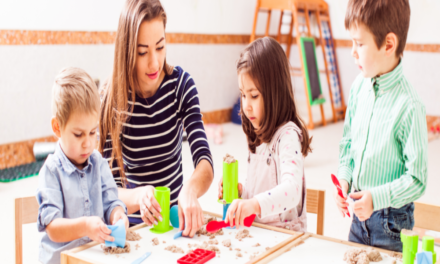
Fine motor skills involve the smaller muscles, particularly in the hands and fingers, that enable precise movements required for tasks such as drawing, cutting, buttoning, and writing. In preschool, children make significant strides in fine motor control, moving from broad grasp and scribbling to more refined skills like cutting along lines, forming shapes, and beginning letter writing. By age three, many children can hold crayons with a mature grasp and manipulate toys with increased dexterity. At four, they gain the ability to use child-safe scissors, draw circles and squares, and begin dressing themselves with growing independence. By five, children can copy triangles, write simple letters, and manage utensils for self-feeding. Fine motor development is closely linked to cognitive and perceptual skills, as children translate their visual intentions into coordinated hand actions. Preschool curricula focus on activities such as arts and crafts, puzzles, playdough manipulation, bead stringing, and lacing to promote these crucial skills.
Role of Sensory Experiences in Motor Development
Sensory input is vital for motor development, helping children process information from their bodies and surroundings to plan and execute movements. Sensory-rich environments in preschool education provide children with tactile, vestibular, and proprioceptive stimuli that enhance body awareness, balance, and coordination. Activities such as climbing soft structures, swinging, balancing on beams, and playing in sand or water engage multiple senses simultaneously, reinforcing neural pathways essential for motor planning and control. Sensory play also supports fine motor skills by developing tactile discrimination and hand strength critical for writing and manipulating small objects. Educators design classrooms and playgrounds that maximize sensory experiences, recognizing that sensory integration is a foundation on which motor skills flourish.
The Interplay Between Motor Skills and Cognitive Development
Motor development and cognitive growth are deeply interconnected during the preschool years. Physical activity stimulates brain development by activating neural circuits involved in planning, attention, memory, and problem-solving. Gross motor activities promote spatial awareness and executive functions, helping children process environmental cues and regulate their behavior. Fine motor tasks demand concentration, visual-motor coordination, and sequential thinking, which translate into improved academic skills, especially literacy and numeracy. For example, manipulating small objects during play improves hand-eye coordination and the fine motor control needed for letter formation. Through movement-based learning experiences, preschoolers develop not only physical abilities but also critical cognitive capacities, highlighting the importance of integrating motor skill activities into overall educational plans.
Social and Emotional Benefits of Motor Skill Development
Developing motor skills also enhances social interaction and emotional well-being in preschoolers. Participating in physical games and group activities encourages cooperation, turn-taking, sharing, and empathy as children engage with peers. Success in motor challenges builds self-esteem and confidence, fostering a positive self-concept and reducing frustration or behavioral challenges. Outdoor play and active breaks provide outlets for emotional regulation, reducing stress and increasing concentration during academic tasks. Preschool environments that promote motor development create a supportive climate where children feel capable and motivated to explore. Well-developed motor skills contribute to children’s sense of competence, allowing them to engage fully in the social and learning contexts critical for holistic development.
Strategies to Promote Motor Skills in Preschool Settings
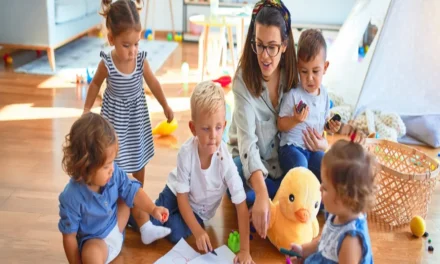
Effective strategies for promoting motor skills in preschools include structured activities, free play, and intentional integration of movement into the curriculum. Teachers plan activities that progressively challenge children’s abilities, such as throwing and catching balls, balancing exercises, and fine motor crafts like cutting or drawing. Free play offers child-directed opportunities to practice motor skills in creative and meaningful ways, enhancing motivation and engagement. Teachers also observe and adapt activities to meet individual developmental levels, providing additional support or enrichment as needed. Incorporating music and movement sessions, sensory play corners, and outdoor exploration encourages comprehensive motor development. Collaboration with families ensures consistency in supporting motor skills beyond the classroom through active lifestyles and everyday tasks.
Importance of Early Intervention and Assessment
Ongoing assessment of motor skill development in preschoolers is essential to identify children who may experience delays or difficulties. Early intervention enables timely support through physical therapy, occupational therapy, or targeted educational strategies, minimizing long-term challenges. Preschool teachers use observation, checklists, and developmental screenings to monitor progress and collaborate with specialists and families. Recognizing variations in developmental timelines is important, but persistent delays warrant professional attention. Early detection and support contribute to better physical, cognitive, and social outcomes, ensuring that all children can reach their full potential. Integrating motor development assessment into comprehensive early childhood education supports inclusive practices and highlights the holistic nature of child growth.
Impact on Lifelong Physical Health and Learning
Motor skill development during preschool lays the groundwork for lifelong physical health and academic success. Proficient motor abilities contribute to an active lifestyle, preventing sedentary habits linked to chronic illnesses. Furthermore, motor competence is associated with higher self-esteem and social participation throughout life. From an academic perspective, motor skills support foundational tasks such as writing, playing musical instruments, and engaging in sports or physical education. Developing motor skills in early childhood encourages a positive attitude toward movement, learning, and health. Preschool education that prioritizes motor skill acquisition equips children with essential tools for physical independence, educational achievement, and overall well-being throughout their lifespan.
Conclusion
Motor skill development is a multifaceted and essential component of preschool education that supports children’s physical, cognitive, social, and emotional growth. During the preschool years, children refine gross and fine motor skills through intentional activities and play-based experiences that promote coordination, balance, and control. Sensory integration and active engagement enhance motor planning and execution while stimulating brain development. Well-developed motor abilities improve children’s confidence, social interaction, and readiness for more complex academic tasks. Early assessment and intervention ensure that all children receive the support needed to flourish. By fostering motor skills, preschool education prepares children not only for school success but also for healthy, active, and engaged lives. A comprehensive approach to motor development enriches the whole child, embodying the principles of holistic, developmentally appropriate education in early childhood.
Hashtags
#MotorSkillsDevelopment #PreschoolEducation #EarlyChildhoodDevelopment #GrossMotorSkills #FineMotorSkills #SensoryIntegration #PhysicalDevelopment #CognitiveGrowth #SocialEmotionalDevelopment #DevelopmentalMilestones #ActiveLearning #ChildDevelopment #EarlyLearning #PlayBasedLearning #ChildConfidence #PhysicalActivity #EarlyIntervention #OccupationalTherapy #BrainDevelopment #ChildhoodHealth #EducationalStrategies #TeacherRole #InclusiveEducation #MotorSkillAssessment #LifelongLearning