
Introduction
A child-centered curriculum is an educational approach that places the learner at the heart of the teaching and learning process. It is designed to recognize and respect the individuality of each child by aligning educational goals, activities, and experiences with their developmental needs, interests, and abilities. Unlike traditional teacher-centered methods, where the teacher dominates the flow of information and controls classroom direction, a child-centered curriculum emphasizes active participation, exploration, and discovery. It draws from progressive and constructivist learning theories, particularly those advocated by thinkers like Jean Piaget, Maria Montessori, and John Dewey, who believed that children learn best when they are engaged in meaningful, hands-on experiences. This approach aims to foster curiosity, creativity, independence, and a lifelong love of learning, empowering children to take ownership of their learning journey and develop critical life skills for the future.
Child as the Focal Point of Learning
At the core of a child-centered curriculum lies the belief that education should revolve around the needs, interests, and potentials of the child rather than the dictates of rigid syllabi or examinations. It acknowledges that every child is unique and develops at their own pace, with distinct learning styles and preferences. This philosophy views the child not as a passive receiver of information but as an active participant in knowledge construction. Lessons and activities are tailored to appeal to each learner’s curiosity and capability. Teachers act as facilitators who guide inquiry-based learning, providing opportunities for children to make choices, express opinions, and explore concepts independently. Such an environment nurtures intrinsic motivation, as children feel valued and respected for their individuality. By focusing on the child’s perspective, this approach transforms learning from a mechanical process into a personal and meaningful experience.
Learning Through Play and Exploration
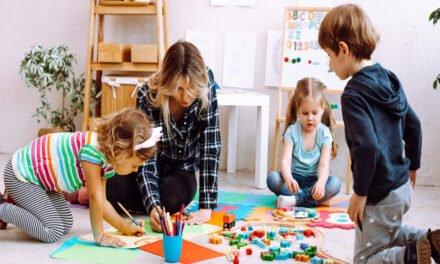
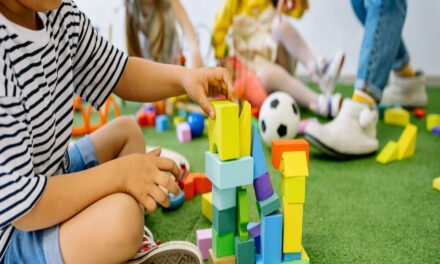
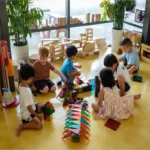
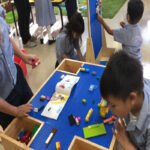
Play serves as the foundation of a child-centered curriculum, especially in early education, as it promotes holistic development and natural learning. Through play, children experiment, take risks, and construct understanding of the world around them. Whether engaging in imaginative role-play, building with blocks, or exploring nature, play activities stimulate social, emotional, cognitive, and physical growth simultaneously. A curriculum that prioritizes play ensures that learning remains enjoyable while encouraging creativity, problem-solving, and communication. Exploration-based learning allows children to investigate topics that interest them and develop hands-on experiences that reinforce classroom knowledge. This approach values process over product, recognizing that children learn through doing and reflecting rather than memorizing facts. Guided play, where teachers subtly steer inquiry without restricting creativity, ensures that play aligns with developmental and educational goals, creating a dynamic and responsive learning environment.
Integration of All Developmental Domains
A significant feature of a child-centered curriculum is its holistic structure, integrating multiple domains of development—physical, cognitive, linguistic, emotional, social, and moral—into the learning process. Instead of isolating subjects like mathematics, science, and language as separate disciplines, a child-centered curriculum interconnects them through integrated themes and activities. For example, a project about “plants” may include counting seeds (mathematics), storytelling (language), and gardening (science and physical development). This cross-disciplinary integration mirrors real-world experiences and helps children make meaningful connections between concepts. It ensures balanced development rather than limiting growth to intellectual achievement alone. The curriculum nurtures empathy, communication skills, self-expression, and cooperation by weaving social and emotional learning into daily routines. By considering the whole child rather than academic outcomes alone, educators create an inclusive foundation for lifelong learning and character development.
Active Learning and Problem-Solving
Another defining feature of a child-centered curriculum is its focus on active learning and engagement. Children learn best when they participate actively in discovering knowledge rather than passively receiving information. Instructional methods such as projects, experiments, storytelling, group discussions, and inquiry-based tasks encourage curiosity and independence. Personal experiences become the starting point for inquiry, allowing children to connect new knowledge with what they already know. Problem-solving activities develop critical thinking and resilience, teaching children how to analyze situations and make thoughtful decisions. In such classrooms, mistakes are seen as opportunities for growth rather than failures. Teachers encourage experimentation and reflection, promoting confidence and a growth mindset. This learner-centered approach aligns with modern educational goals that emphasize creativity and adaptability as essential skills in an ever-changing world. Children thus become active constructors of meaning, taking ownership of their learning process through participation and exploration.
Role of the Teacher as a Facilitator
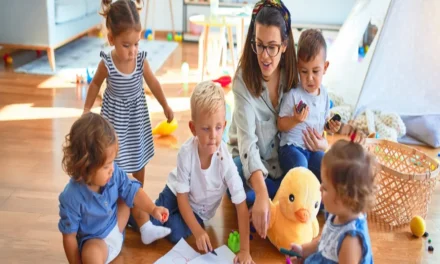
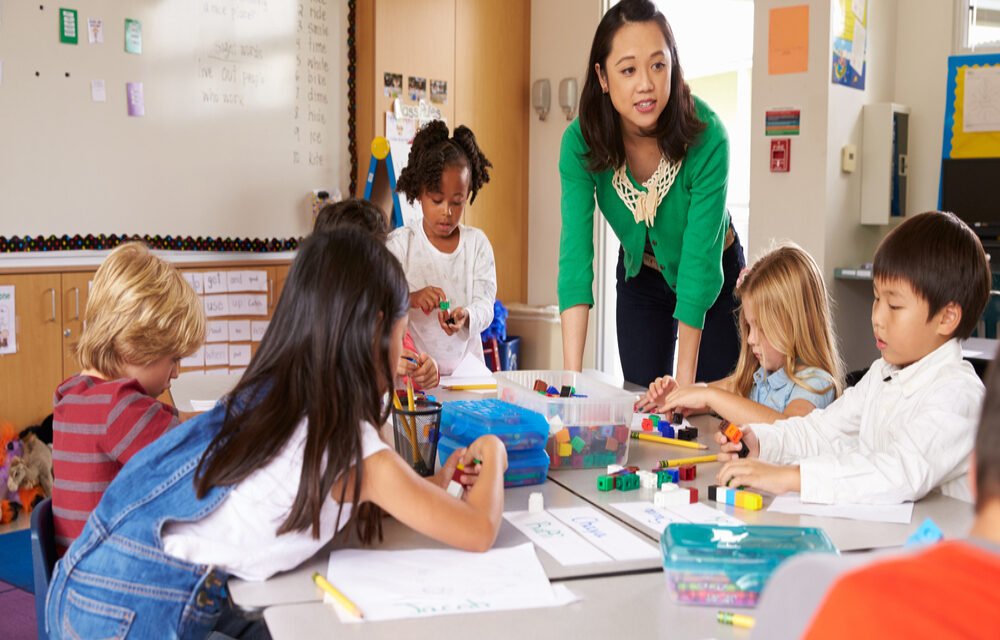
In a child-centered curriculum, the teacher assumes the role of guide, mentor, and co-learner rather than an authoritarian source of knowledge. Teachers design learning experiences based on children’s developmental stages and interests, observing their behavior to understand individual progress. They create environments that encourage discovery, questioning, and collaboration. Instead of delivering fixed lessons, teachers pose open-ended questions, challenge thinking, and provide resources that stimulate deeper exploration. They also ensure emotional safety so that children feel comfortable expressing ideas and taking intellectual risks. The teacher’s role extends beyond academic instruction to emotional and social development, ensuring that every learner feels seen and supported. Effective teachers in child-centered frameworks practice flexibility, creativity, and empathy, adapting teaching methods to cater to diverse learners. This shift from instructor to facilitator helps establish classrooms as democratic learning communities where knowledge is co-constructed through interaction and shared experience.
Individualization and Flexibility in Curriculum Design
A child-centered curriculum promotes flexibility in both teaching methods and scheduling. It moves away from rigid timetables and standardized tests toward personalized learning experiences. Lesson plans are adaptable to meet the emerging needs and interests of children, ensuring relevance and engagement. Individualization enables educators to identify strengths and challenges unique to each learner, providing additional support or enrichment as necessary. For example, a child fascinated by animals may be guided to explore biology concepts through observation and storytelling. The curriculum evolves continuously, reflecting children’s feedback, curiosity, and developmental progress. Assessments are formative, focusing on observing growth, documenting progress, and offering constructive guidance rather than assigning grades or comparisons. This flexibility nurtures intrinsic motivation, as children are driven by interest rather than external pressure. Personalization ensures equity in learning opportunities, recognizing difference as a strength rather than a limitation. The fluid nature of this curriculum keeps learning vibrant, meaningful, and deeply connected to each child’s reality.
Social Interaction and Collaborative Learning
Social interaction is another cornerstone of the child-centered curriculum. Children learn significantly through cooperation, conversation, and collaboration. Group activities and peer learning situations provide opportunities for communication, negotiation, and empathy-building. Collaboration helps children appreciate diverse perspectives, share ideas, and learn conflict resolution. Teachers encourage teamwork through group projects, cooperative play, and community awareness initiatives that teach democratic and inclusive principles. Classrooms are organized to promote interaction rather than passive listening—circle time, group discussions, and collaborative problem-solving sessions replace rows of desks facing an instructor. Social learning not only strengthens communication skills but also reinforces emotional intelligence, tolerance, and cultural understanding. Furthermore, peer influence and shared discovery often enhance motivation, as children feel part of a learning community. Promoting social development through curriculum design ensures that education nurtures not just individual achievement but also interpersonal competence, empathy, and civic responsibility.
Experiential and Real-Life Learning
A child-centered curriculum emphasizes experiential learning—learning by doing and through real-life experiences. Knowledge becomes meaningful when children can connect it with everyday situations. Field trips, experiments, nature walks, and role-playing activities bring learning to life, bridging classroom concepts and real-world understanding. Experiential learning integrates sensory exploration and observation, promoting concrete understanding of abstract ideas. For instance, visiting a marketplace to learn about money management engages mathematics, language, and social awareness at once. Such experiences develop critical life skills such as responsibility, adaptability, and cooperation. Moreover, real-world exposure encourages curiosity and environmental awareness, fostering respect for nature and community. Teachers play a crucial role in framing these experiences to encourage inquiry and reflection. When learning is grounded in real contexts, it enhances retention and relevance, helping children internalize values and knowledge more effectively than through rote instruction.
Assessment as a Tool for Growth
In a child-centered curriculum, assessment is woven into the learning process rather than used solely as a measure of outcomes. Continuous and formative evaluation focuses on documenting progress, observing behavior, and analyzing developmental patterns rather than assigning rigid grades. Portfolios, anecdotal records, and child reflections serve as authentic assessment tools that capture growth comprehensively. The emphasis is on strengths, areas for improvement, and future learning directions. Both self-assessment and peer assessment are encouraged, helping children take responsibility for their learning. Teachers use assessment outcomes to redesign activities, ensuring relevance and challenge. Traditional testing methods are replaced by observation of real performance during play, projects, and discussions. This flexible approach to evaluation fosters intrinsic motivation by emphasizing improvement and effort over competition. Assessment thus becomes a supportive process that deepens understanding, strengthens self-awareness, and reinforces confidence rather than instilling anxiety or comparison.
Inclusivity and Respect for Diversity
A truly child-centered curriculum embraces diversity in all its forms—cultural, linguistic, socio-economic, and developmental. It promotes respect for individual backgrounds, ensuring that every child feels valued and included regardless of ability or identity. Lessons incorporate multicultural perspectives and encourage open-mindedness toward differences in belief, ability, or expression. Inclusivity extends to children with special needs, ensuring that resources, teaching strategies, and classroom arrangements accommodate various learning styles and capabilities. Teachers are trained to recognize bias, adjust expectations, and provide equal opportunities for participation. Encouraging mutual respect fosters a sense of belonging and cooperation, reducing discrimination and exclusion. By building inclusion into the curriculum framework, education becomes a tool for social harmony and equality. A child-centered curriculum therefore not only nurtures individual growth but also instills social awareness and compassion, preparing children to contribute to diverse communities with understanding and respect.
Conclusion
A child-centered curriculum redefines education as a collaborative, dynamic, and evolving process that focuses on the child’s holistic development. It values individuality, creativity, curiosity, and self-expression over conformity and memorization. Through play, experiential learning, and inquiry-based exploration, children become active participants in constructing knowledge and meaning. In this system, teachers act as mentors and facilitators who guide developmental progress while respecting learners’ autonomy and diversity. By integrating emotional, social, and intellectual domains, a child-centered curriculum nurtures confidence, empathy, and lifelong learning skills. The flexible, inclusive, and responsive nature of this curriculum ensures that education becomes relevant to children’s lives, preparing them for both personal fulfillment and responsible citizenship. Ultimately, child-centered education builds learners who are not only academically capable but also emotionally balanced, socially aware, and ready to thrive in an interconnected world.
Hashtags
#ChildCenteredCurriculum #EarlyLearning #HolisticEducation #PlayBasedLearning #ActiveLearning #ChildDevelopment #EducationPhilosophy #ExperientialLearning #InquiryBasedTeaching #ChildEngagement #WholeChildEducation #TeacherAsFacilitator #LearningThroughPlay #SelfDirectedLearning #InclusivityInEducation #CollaborativeLearning #CreativeEducation #DevelopmentallyAppropriatePractice #CurriculumDesign #LearnerAgency #EducationalInnovation #SocialLearning #ProgressiveEducation #Individualization #ChildFocusedLearning