
Introduction
Early learning frameworks offer foundational guidance that shapes the philosophy, curriculum, and practices within early childhood education settings. These frameworks articulate core principles that emphasize holistic development, inclusivity, respect for diversity, and the importance of relationships. They recognize children as capable learners whose learning emerges naturally through play, social interaction, and meaningful experiences. The principles embedded within early learning frameworks aim to support educators, families, and communities to collaborate in nurturing children’s well-being, curiosity, and lifelong love for learning. Understanding these principles helps create responsive, equitable, and enriching early learning environments that acknowledge the complex interplay of factors influencing child development.
Children as Capable and Competent Learners
A fundamental principle of early learning frameworks is that children are strong, capable, and competent in their unique ways. This perspective rejects deficit views of children and, instead, acknowledges their inherent potential and agency in the learning process. Children actively construct knowledge through exploration, interactions, and problem-solving. Early learning recognizes that children bring rich backgrounds, strengths, and experiences that guide their capabilities. Seeing children as capable learners encourages educators to observe, listen, and respond to their interests and cues, thus fostering confidence, autonomy, and active participation. This principle places the child at the center of the learning process, ensuring that educational practices build on their existing skills while encouraging creativity and curiosity.
Holistic Development and Learning
Early learning frameworks emphasize the holistic nature of child development. Learning does not occur in isolated domains but as an integrated process involving physical, cognitive, social, emotional, and language development. This principle stresses that educators should focus on the whole child rather than narrowly concentrating on academic achievements alone. For example, social-emotional growth, self-regulation, and communication skills are as important as literacy and numeracy in laying the foundation for lifelong learning. Holistic development also implies that real-life experiences and play are vital components of learning since they integrate multiple developmental aspects. Early childhood education guided by this principle fosters balanced development by encouraging diverse learning opportunities suited to each child’s evolving needs.
Importance of Secure, Respectful, and Reciprocal Relationships
Relationships represent the foundation upon which early learning frameworks build the developmental environment. Secure, respectful, and reciprocal relationships with educators, peers, and family members enable children to feel safe, valued, and motivated to explore and learn. Strong relationships nurture trust, emotional security, and social competence, which are critical for cognitive growth and well-being. Educators, by forging genuine connections with children, learn to understand their individual temperaments and developmental pathways. Moreover, reciprocal relationships reflect mutual respect where children’s contributions and voices are acknowledged. This relational principle encourages educators to be responsive and empathetic, creating a learning atmosphere rich with trust and belonging.
Families and Communities as Partners in Learning
Another key principle is the recognition of families and communities as central partners in children’s learning and development. Children grow and develop within the context of their families and cultures, which shape their identities and experiences. Early learning frameworks promote collaborative relationships between educators and families, valuing parents’ knowledge and involvement. Engaging families in planning, sharing observations, and decision-making strengthens consistency and support for children’s learning across settings. Furthermore, community connections extend learning beyond the classroom, embedding cultural, linguistic, and societal diversity in educational practices. This principle situates early childhood education as a shared responsibility that respects and incorporates family and community perspectives.
Inclusion, Equity, and Respect for Diversity
Inclusive practices form a foundational principle that highlights the right of every child to access quality early learning irrespective of abilities, backgrounds, or circumstances. Early learning frameworks advocate for equity by addressing barriers that might limit participation or achievement, such as disability, language differences, or socio-economic factors. Respecting diversity involves honoring children’s unique identities, cultures, languages, and family structures within learning environments. Educators are encouraged to nurture an atmosphere in which differences are respected and celebrated, fostering social justice and belonging. This principle contributes to creating inclusive experiences where all children are valued, supported, and encouraged to develop their potential in equitable ways.
Play as a Vital Context for Learning
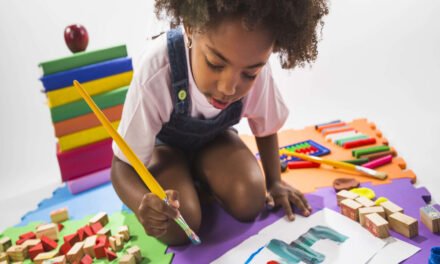
Play-based learning is a cornerstone principle underlining the importance of play in early childhood education. Play offers children authentic, meaningful ways to explore, experiment, and make sense of the world around them. Through play, children develop cognitive, physical, social, and emotional skills while engaging in self-directed, creative activities. Play enhances problem-solving, spatial awareness, language use, and social interaction. Early learning frameworks emphasize that play should be intentionally supported by educators who provide a stimulating environment and interact in ways that extend learning. Recognizing play as a vital learning context ensures education remains child-centered, joyful, and conducive to deep engagement.
Reflective Practice and Lifelong Learning for Educators
The principles guide educators not only in working with children but also in their own ongoing professional development. Reflective practice is crucial—educators continuously examine their beliefs, approaches, and the effectiveness of their teaching. This principle encourages critical self-awareness and openness to new research, methods, and feedback. Through reflection, educators adapt to children’s evolving needs and familial and cultural contexts, improving inclusivity and learning quality. Lifelong learning for educators reinforces responsiveness, creativity, and collaboration within early learning settings. It promotes the idea that effective education stems from committed, thoughtful practitioners who engage deeply with their profession and community.
Environment as a Third Teacher
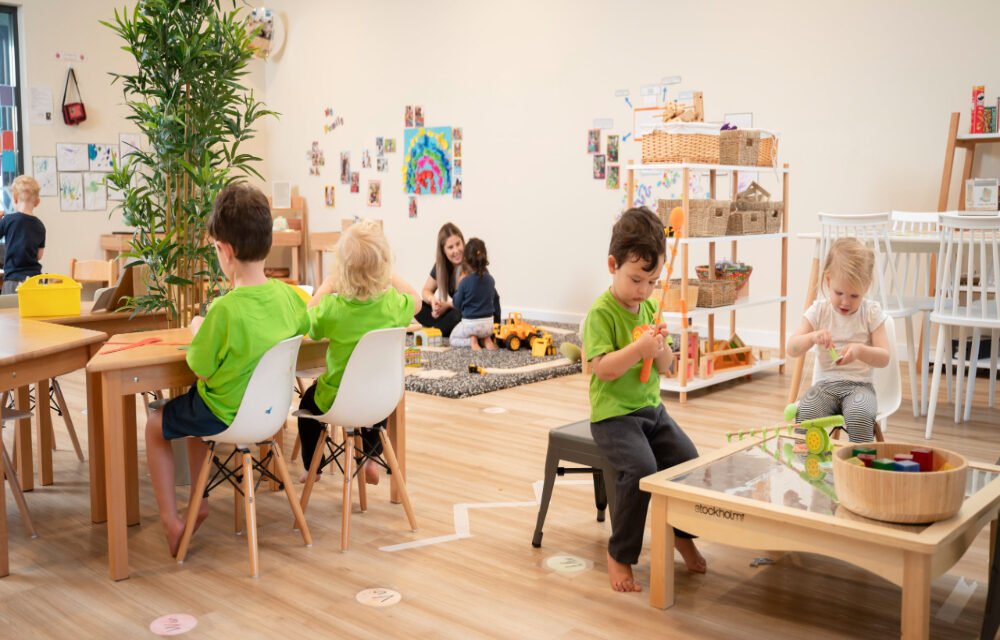
Recognizing the environment as a vital component of learning constitutes an essential principle. Early learning frameworks highlight that thoughtfully designed physical and social environments serve as “third teachers” alongside adults and peers. These environments include safe, stimulating indoor and outdoor spaces rich with materials, natural elements, and cultural artifacts that invite exploration and discovery. Environments should be adaptable, inclusive, and reflective of children’s interests and identities. When spaces are intentionally arranged to encourage interaction, creativity, and independence, they support holistic development and well-being. This principle emphasizes the educator’s role in creating and curating environments that empower learning as an immersive, continuous experience.
Conclusion
The principles of early learning frameworks collectively form a philosophy that views children as capable individuals engaged in holistic development through meaningful relationships, play, and inclusive environments. These principles affirm the active roles of families and communities in supporting learning and stress the importance of equity and respect for diversity. They further advocate for reflective, lifelong learning among educators and the importance of enriched environments. Rooted in contemporary research and child-centered pedagogy, these guiding principles create the foundation for responsive, joyful, and effective early education. Through their application, early childhood programs can nurture children’s potential, confidence, and love of learning, preparing them for future success and well-being.
Hashtags
#EarlyLearningFramework #EarlyChildhoodEducation #HolisticDevelopment #InclusiveEducation #PlayBasedLearning #FamilyEngagement #ReflectivePractice #ChildCenteredLearning #LearningThroughPlay #EducationalPrinciples #SecureRelationships #EquityInEducation #DiversityRespect #EarlyYearsDevelopment #EducatorProfessionalDevelopment #LearningEnvironment #CommunityPartnership #LifelongLearning #ChildPotential #EarlyYearsPedagogy #SocialEmotionalLearning #CulturalInclusivity #LearningFoundation #EarlyChildhoodPrinciples #TeacherReflection #ChildWellbeing