
Promotes Security and Stability
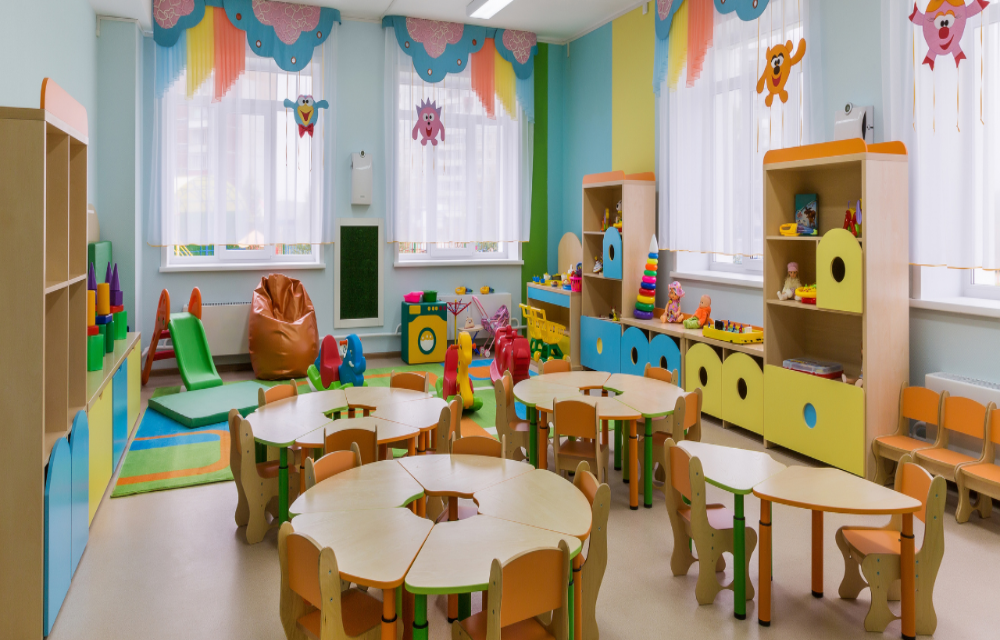
- Structured classroom environments offer toddlers predictable routines that reduce anxiety and build a sense of safety.
- Consistent schedules help children anticipate transitions, making them feel more comfortable and secure.
- This stability fosters trust in caregivers and the learning environment.
- Knowing what to expect enhances toddlers’ confidence to explore and engage.
- Security from structure supports emotional regulation and positive behavior.
Supports Cognitive and Language Development
- Planned activities in structured settings promote cognitive skills like memory, attention, and problem-solving.
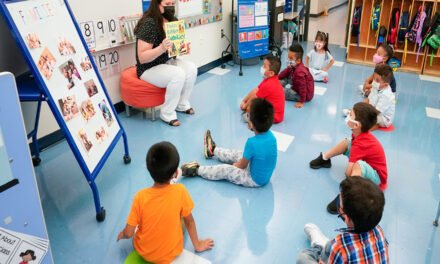
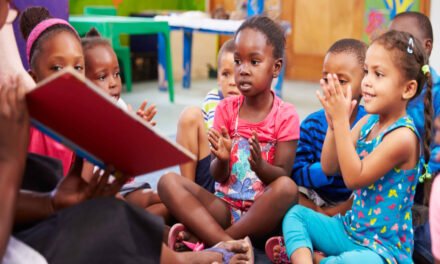
- Exposure to language through guided conversations and story times enhances vocabulary and communication.
- Focused learning tasks develop early math and literacy concepts.
- Structured routines improve ability to follow instructions and participate in group learning.
- Cognitive gains from structure lay a foundation for later academic success.
Encourages Independence and Self-Regulation
- Toddlers learn to manage themselves and their actions within clear boundaries and expectations.
- Routines teach responsibility through tasks like cleaning up and waiting for turns.
- Structured environments help children develop patience and self-control.
- Mastery of simple routines boosts confidence and decision-making skills.
- These skills foster readiness for more formal schooling and lifelong learning.
Enhances Social Skills and Cooperation
- Structured group activities encourage sharing, cooperation, and turn-taking.
- Predictable group interactions help toddlers navigate social norms and build positive relationships.
- Social-emotional learning is supported through peer engagement and guided play.
- Toddlers learn empathy and communication within familiar frameworks.
- Structured social experiences contribute to emotional resilience and teamwork skills.
Prepares for Educational Transitions
- Exposure to structured learning environments eases toddlers’ transition into preschool and school settings.
- Familiarity with group routines, teacher-led activities, and classroom expectations reduces stress.
- Early adaptation to structure supports smoother academic and social integration later.
- Structured programs help build foundational skills for following rules and engaging in cooperative learning.
- Preparation through structure sets the stage for continued educational success.