

Educators are actively addressing the significant learning gaps that emerged during the COVID-19 pandemic, particularly among young children in their early years of education. The widespread closures of early childhood programs and disruptions to social interactions have led to delays in cognitive, language, social, and emotional development. Many children experienced reduced opportunities for peer engagement, structured learning, and consistent adult interaction, which are critical for development during these formative years. Educators are now focused on implementing strategies that accelerate learning recovery and support children’s holistic growth.
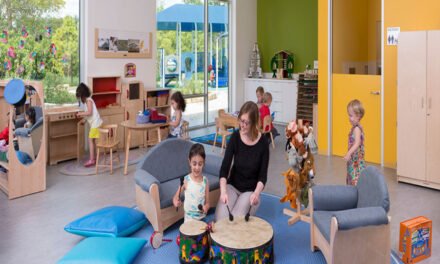
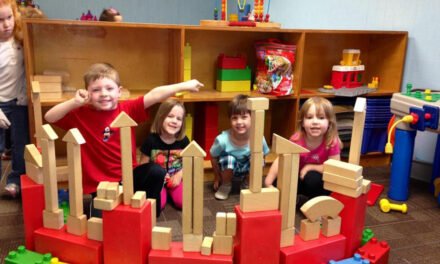
One common approach involves individualized assessment and tailored instruction to identify each child’s specific gaps and strengths. By using targeted interventions, educators can customize learning experiences to address developmental delays or missed milestones in areas such as language acquisition, early literacy, and social-emotional skills. Play-based and experiential learning remain key strategies to re-engage children, encouraging exploration, communication, and problem-solving in safe and supportive classrooms. This method respects children’s varied learning paces and often results in more meaningful progress.
Teachers are also placing renewed emphasis on building strong relationships with children and families to foster emotional security and resilience. The pandemic led to increased anxiety and behavioral challenges among many young learners, making social-emotional development a top priority. Family engagement programs help extend learning and development beyond the classroom, encouraging consistent routines and enriching experiences at home. Collaborative efforts between educators and parents aim to create environments that nurture confidence, curiosity, and a love of learning despite the setbacks caused by the pandemic.
Furthermore, early childhood education providers are leveraging technology and professional development to enhance teaching effectiveness in this recovery phase. Training educators to implement trauma-informed practices and to use data-driven approaches enables better support for children facing diverse challenges. Although progress is being made, ongoing investment and innovation are crucial to fully overcoming pandemic-related learning disruptions. The commitment of educators, families, and policymakers to prioritizing early years education will play a decisive role in ensuring that children regain lost ground and thrive academically and emotionally.