
Introduction
Empathy is a cornerstone of social and emotional development that profoundly influences how children relate to others and navigate their social worlds. Developing empathy in young children is essential for fostering kindness, cooperation, and understanding, which are foundational for building healthy relationships and creating inclusive communities. While empathy may seem innate, research and educational practices confirm that it is a skill that can be nurtured and cultivated through deliberate strategies and supportive environments. This article explores how empathy can be developed in young children, emphasizing stages, activities, and approaches that promote empathetic capacities from infancy through early childhood.
Understanding the Foundations of Empathy
Empathy begins with emotional awareness—the ability to recognize and identify one’s own feelings and then extend that understanding to others. Young children often respond to others’ emotions instinctively, but they need guidance to translate these responses into compassionate actions. Developing empathy involves nurturing a child’s capacity to sense what others feel, understand those feelings, and respond appropriately. This process starts with modeling empathetic behavior, which serves as a powerful teaching tool. When adults consistently demonstrate kindness, active listening, and respect, children observe and imitate these behaviors, laying the groundwork for empathetic development.
Role of Modeling and Social Interaction
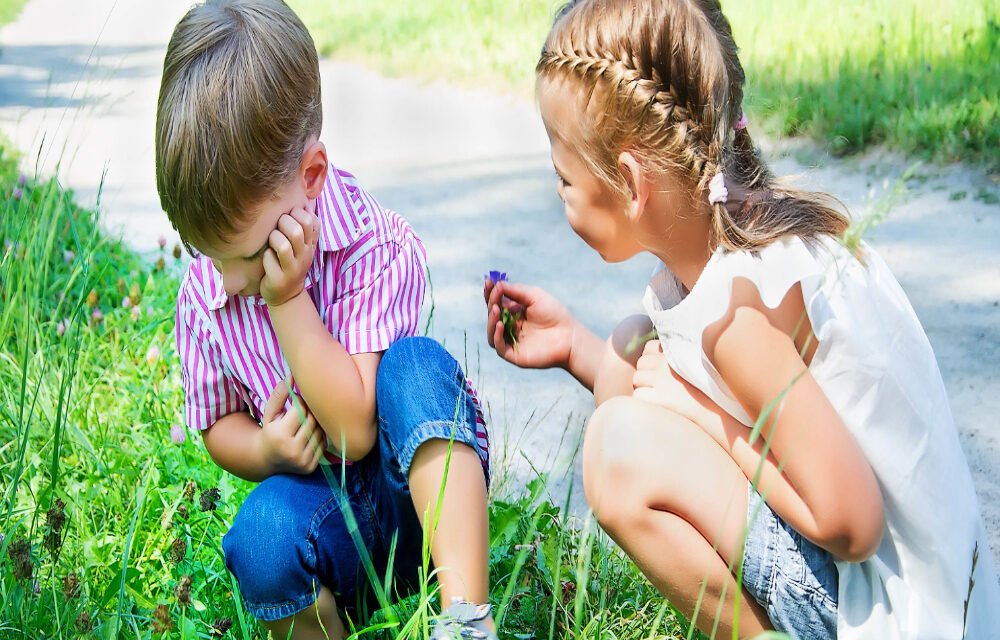
Modeling empathetic behavior is fundamental to childhood empathy development. Caregivers, teachers, and parents exemplify empathy through their interactions, showing children how to listen, validate feelings, and offer support. For example, when a child is upset, and an adult responds with warmth and understanding, the child learns how empathy looks in practice. Role modeling during everyday interactions reinforces the importance of empathy as a social value. Additionally, engaging children in cooperative activities such as group projects or pretend play encourages them to consider others’ perspectives, further strengthening their empathetic skills. Such social experiences foster children’s ability to see the world through others’ eyes and respond compassionately.
Activities and Play-Based Strategies
Practical activities play a crucial role in nurturing empathy, especially when they involve active participation and reflection. Role-playing different scenarios enables children to practice perspective-taking in a safe and supportive environment. For example, children can act out situations such as comforting a peer who is crying or sharing toys with friends. Storytelling and reading books that depict characters experiencing various emotions help children understand feelings and develop emotional literacy. Artistic activities like drawing feelings or acting out emotions with puppets also provide opportunities to explore and articulate empathy. These play-based methods facilitate active learning and reinforce empathetic responses.
Emotion Recognition and Emotional Literacy
Developing emotional literacy is integral to empathy cultivation. Children must learn to identify and name their own emotions before understanding those of others. Parents and educators support this by discussing feelings openly, using visual aids, and guiding children to recognize sensations and expressions associated with different emotions. For example, discussing the physical signs of happiness or sadness helps children associate facial cues and body language with specific feelings. Building emotional literacy enables children to respond meaningfully to others’ emotional states, fostering compassion and reducing conflicts. A parent reading a story and discussing characters’ feelings exemplifies how emotional literacy can be strengthened at home and school.
Guided Discussions and Reflection
Engaging children in guided discussions about feelings and social situations enhances their understanding of empathy. Asking open-ended questions such as “How do you think your friend felt when that happened?” or “What could you do to help?” promotes perspective-taking and moral reasoning. Encouraging children to reflect on their own experiences and relate them to others’ feelings fosters a deeper understanding of empathy’s importance. Regular reflection helps children internalize these lessons and apply them in daily interactions, gradually making empathy an inherent aspect of their social behavior.
Creating an Empathetic Environment
An environment that consistently promotes kindness, inclusion, and respect nurtures children’s empathetic development. Teachers can establish classroom rules that emphasize caring and sharing, recognize and reward empathetic behavior, and create opportunities for collaborative work. Strategies such as buddy systems or empathy circles reinforce social bonds and facilitate understanding. Cultivating a positive emotional climate means children feel safe to express their feelings and learn from others. Addressing bullying, teasing, or exclusion promptly reinforces empathy as a shared value within the community.
Incorporating Cultural and Social Diversity
Developing empathy also involves exposing children to diverse perspectives, cultures, and experiences. Immersing children in multicultural stories, celebrations, and discussions about different ways of life broadens their understanding and respect for diversity. This promotes the development of global empathy—the capacity to understand and appreciate the feelings of people from different backgrounds. Educators and parents can model inclusive attitudes by celebrating differences and encouraging children to ask questions, listen actively, and show curiosity about others’ lives. Recognizing diversity as a strength helps cultivate open-minded, empathetic future citizens.
Measuring and Supporting Empathy Development
Although empathy is a complex skill, educators can observe and assess children’s empathetic responses through behavioral cues, interactions, and reflections. Pairs or small groups engaged in caring behaviors, such as comforting a peer, sharing, or showing concern, signal empathetic growth. Observation helps educators identify children who may need additional support or targeted interventions. Fostering empathy is an ongoing process that requires consistent reinforcement, patience, and positive reinforcement. Providing additional guidance and opportunities to practice empathy ensures that young children develop this essential social skill robustly.
Conclusion
Building empathy in young children is a dynamic and multifaceted process rooted in modeling, active learning, emotional literacy, and inclusive environments. By engaging children in meaningful activities that promote perspective-taking, emotional awareness, and social interactions, caregivers and educators nurture compassionate, understanding, and socially responsible individuals. The development of empathy from early childhood shapes children’s ability to form healthy relationships, resolve conflicts peacefully, and foster inclusive communities. Investing in empathy education is an investment in a kinder, more empathetic future for society as a whole.
Hashtags
#EmpathyDevelopment #EarlyChildhood #SocialSkills #EmotionalIntelligence #ParentingTips #TeacherTraining #ChildDevelopment #KindnessInKids #PerspectiveTaking #EmotionalLiteracy #PlayBasedLearning #RolePlaying #StorytellingInEducation #DiversityAndInclusion #SocialEmotionalLearning #EmpathyActivities #CompassionateKids #BuildingTrust #PositiveBehavior #InclusiveClassroom #CognitiveSkills #RelationshipBuilding #CommunityInvolvement #ParentTeacherPartnership #FutureCitizens #HolisticChildDevelopment