
Introduction
Emotional development in the early years represents one of the most critical foundations for lifelong learning, behavior, and well-being. During this period, children experience rapid growth in their ability to identify, express, and manage emotions. These early emotional experiences shape how children perceive themselves, relate to others, and respond to their environment. Emotional development does not occur in isolation; it is a deeply interactive process involving biological, cognitive, social, and cultural influences. The relationships children form with parents, caregivers, and peers serve as the primary environment where emotional growth unfolds. By nurturing emotional understanding, security, and empathy, early childhood education contributes to building resilient, confident, and socially skilled individuals who can navigate the complexities of life effectively.
Understanding Emotional Development
Emotional development refers to the gradual process through which children learn to recognize, understand, express, and regulate emotions. In early infancy, emotions are primarily physiological responses to stimuli such as hunger, comfort, or fear. Over time, as cognitive and linguistic skills emerge, children begin to interpret emotions within social contexts, linking feelings to personal experiences and relationships. According to developmental psychology, the early years form the groundwork for emotional intelligence, which influences personality, social skills, and moral understanding. Emotional development encompasses both self-related emotions like pride, guilt, or shame and social emotions like empathy, jealousy, or love. As children mature, they move from reactive emotional responses toward deliberate regulation, learning that emotions can be managed and communicated appropriately.
The Role of Attachment in Emotional Growth
Attachment plays a central role in emotional development during early childhood. The bond between a child and their primary caregiver provides the emotional security necessary for exploring the world and developing trust. Psychologists such as John Bowlby emphasized that secure attachment supports positive emotional regulation and resilience, while insecure attachment can lead to anxiety, fear, and difficulty forming stable relationships. When caregivers respond consistently and sensitively to a child’s emotional cues, the child learns that emotions are safe and manageable. This responsive interaction nurtures confidence and self-esteem. Conversely, neglect, inconsistency, or harshness can hinder emotional growth, leaving children uncertain about their ability to manage distress. Therefore, establishing stable and trusting relationships in early childhood settings is fundamental for fostering healthy emotional foundations.
Recognition and Expression of Emotions
In the first years of life, children begin to identify basic emotions such as happiness, anger, sadness, and fear. Infants express themselves through crying, smiling, and gestures, while toddlers start to use facial expressions and tone of voice to communicate feelings. As their cognitive and linguistic capacities expand, children gradually learn to label emotions with words and connect them with experiences. For instance, they may say “I feel sad because my toy broke,” indicating the beginning of emotional literacy. By preschool years, children start to distinguish between self and others’ emotions, laying the basis for empathy and perspective-taking. Encouraging open emotional expression through storytelling, drawings, and guided conversations allows children to process their experiences and communicate effectively. Teachers and caregivers play a significant role in modeling healthy emotional expression, showing children how to handle both positive and negative emotions constructively.
Development of Emotional Regulation
Emotional regulation, or the ability to manage emotional responses, develops gradually through early interactions and experiences. In the beginning, infants rely on caregivers to soothe distress and provide comfort. Over time, through co-regulation and consistent support, children internalize strategies for self-soothing and managing frustration. Toddlers often experience intense emotions but lack the control to express them appropriately, leading to tantrums or impulsive reactions. As they grow, children learn coping mechanisms such as deep breathing, distraction, or verbal communication. The development of self-regulation is influenced by temperament, parenting style, and environmental stability. Early childhood education programs often incorporate activities like mindfulness, calming corners, and cooperative games to strengthen children’s emotional control. When children acquire the ability to regulate emotions, they not only experience fewer behavioral problems but also perform better academically and socially, as emotional stability enhances focus and learning readiness.
Social Interaction and Emotional Understanding
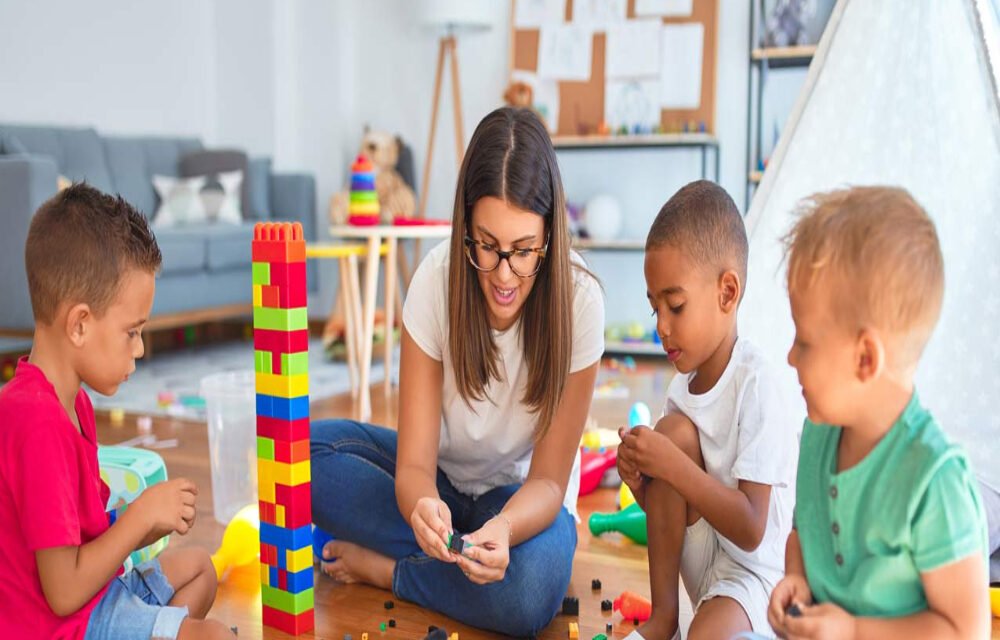
Social experiences play a vital role in shaping emotional competence in young children. Through interaction with peers and adults, children learn to interpret feelings, respond empathetically, and navigate complex emotions such as jealousy, guilt, and pride. Play serves as a natural context for practicing emotional understanding. During cooperative or pretend play, children experiment with various roles and emotional expressions, allowing them to comprehend multiple perspectives. Disagreements and moments of conflict also provide valuable learning opportunities, as children discover how to negotiate, forgive, and empathize. Educators and caregivers must guide these interactions by encouraging conversations about feelings, helping children name their emotions, and modeling empathy. Over time, consistent social engagement fosters emotional maturity, teaching children to balance their needs with others and to appreciate cooperation, fairness, and kindness.
Cognitive Growth and Emotional Intelligence
Emotional development and cognitive growth are closely linked. As children’s thinking and language skills advance, so does their emotional understanding. The ability to reflect, reason, and predict consequences enhances self-awareness and empathy. For example, a preschooler who can anticipate that snatching a toy from a friend might cause sadness demonstrates cognitive-emotional integration. Emotional intelligence, a concept introduced by psychologists such as Daniel Goleman, encompasses self-awareness, self-regulation, motivation, empathy, and social skills. In early years, activities that promote curiosity, decision-making, and collaborative problem-solving also strengthen emotional intelligence. Cognitive development helps children recognize that emotions can change and be influenced by external factors. Supporting metacognitive reflection—thinking about one’s thoughts and feelings—further deepens emotional maturity. Educators who combine intellectual and emotional learning create a balanced framework that prepares children for both academic challenges and interpersonal relationships.
Influence of Family and Environment
The environment in which children grow up significantly shapes their emotional development. The home atmosphere, parental attitudes, and cultural values determine how emotions are expressed and understood. Families that encourage emotional openness create a sense of psychological safety and acceptance. Conversely, environments that punish emotional expression can lead to suppression or conflict avoidance. Beyond family, early childhood education centers also impact emotional growth through structure, routines, and teacher-child interactions. Positive reinforcement, empathy, and consistent boundaries help children feel secure and understood. Exposure to literature, art, and music further enhances emotional awareness by offering symbolic representations of feeling and experience. Broader community and cultural influences shape how children learn emotional norms—whether emotions are viewed as private, communal, or restrained. A rich, inclusive environment thus ensures that children learn to embrace emotion as an essential component of human life and interaction.
Challenges in Emotional Development
While emotional development follows predictable stages, some children may face challenges due to factors such as trauma, neglect, inconsistent caregiving, or developmental disorders. Early identification of emotional or behavioral difficulties is essential, as unaddressed emotional issues can extend into later years, affecting relationships and learning. For instance, excessive aggression or withdrawal may signal unmet emotional needs. Teachers and caregivers must collaborate with mental health professionals to provide supportive interventions that address the root causes of distress. Interventions such as social skill training, counseling, and targeted play therapy can help children rebuild trust and regulation skills. Emotional difficulties should be approached with empathy and patience, as children need consistent reassurance that their emotions are valid and manageable. Preventive approaches that prioritize emotional literacy, safe environments, and nurturing relationships are most effective in ensuring healthy emotional development.
The Role of Educators and Caregivers
Educators and caregivers serve as emotional role models whose behaviors strongly influence children’s learning. When adults demonstrate calmness, patience, and empathy, children internalize these behaviors and learn to emulate them. Teachers in early learning environments foster emotional growth by creating structured, predictable routines, encouraging cooperation, and validating children’s feelings. Effective emotional education includes daily opportunities for reflection, discussion, and empathy-building activities. Listening attentively and responding with sensitivity reinforces children’s sense of belonging. Professional training for educators should emphasize emotional awareness and intervention techniques, as emotionally intelligent teachers can better manage classroom dynamics and support diverse needs. By viewing emotional development as an integral part of education rather than a separate component, caregivers ensure that children grow not only intellectually but also emotionally and socially well-balanced.
Long-term Significance of Early Emotional Development
The emotional patterns established in early childhood have lifelong implications. Children who receive strong emotional foundations are more likely to develop healthy self-concepts, strong relationships, and coping abilities that contribute to mental health stability. Emotional intelligence influences later success in school, work, and relationships. Those who learn early to identify and manage emotions tend to handle stress more effectively, demonstrate empathy, and engage in positive social interactions. Moreover, societies that invest in emotional education during early childhood are likely to cultivate citizens who are compassionate, cooperative, and emotionally resilient. Emotional development therefore serves as a cornerstone for broader human growth, bridging the connection between intellectual achievement, happiness, and ethical living.
Conclusion
Emotional development in the early years is a dynamic and multifaceted process that shapes every aspect of a child’s life. Beginning from infancy and extending through the preschool years, emotional growth influences how children think, learn, connect, and cope. Secure attachments, consistent caregiving, social interaction, and thoughtful education foster emotional awareness, resilience, and empathy. By integrating emotional learning within family and educational systems, we cultivate balanced individuals capable of navigating challenges with confidence and compassion. Understanding and supporting emotional development allows children to build not just intelligence but emotional wisdom that enriches their lives and communities. The early years are, therefore, a decisive period in molding emotionally healthy, empathetic, and self-assured human beings.
Hashtags
#EmotionalDevelopment #EarlyChildhood #ChildGrowth #EmotionalIntelligence #AttachmentTheory #CaregiverSupport #ChildPsychology #EarlyLearning #SocialSkills #SelfRegulation #EmotionalLiteracy #Parenting #ChildBehavior #CognitiveGrowth #SocialEmotionalLearning #HolisticEducation #Empathy #EducationalPsychology #TeacherRole #ChildWellbeing #InfantCare #PositiveParenting #EmotionalHealth #PlayBasedLearning #ChildhoodDevelopment