Introduction
Assessing learning outcomes in early education is a critical process that helps educators understand each child’s development and tailor instruction accordingly. Unlike assessment in later educational stages that often relies on standardized testing, early childhood assessment focuses on observation, documentation, and authentic interactions that capture the holistic growth of young learners. This process provides insights into children’s cognitive, social, emotional, physical, and language development. Through continuous and reflective assessment, educators create supportive environments that meet individual needs and foster optimal learning. Understanding the variety and purpose of assessment methods clarifies how teachers effectively gauge learning outcomes in early classrooms.
Observation as a Primary Assessment Tool
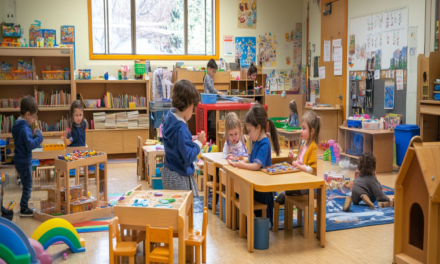
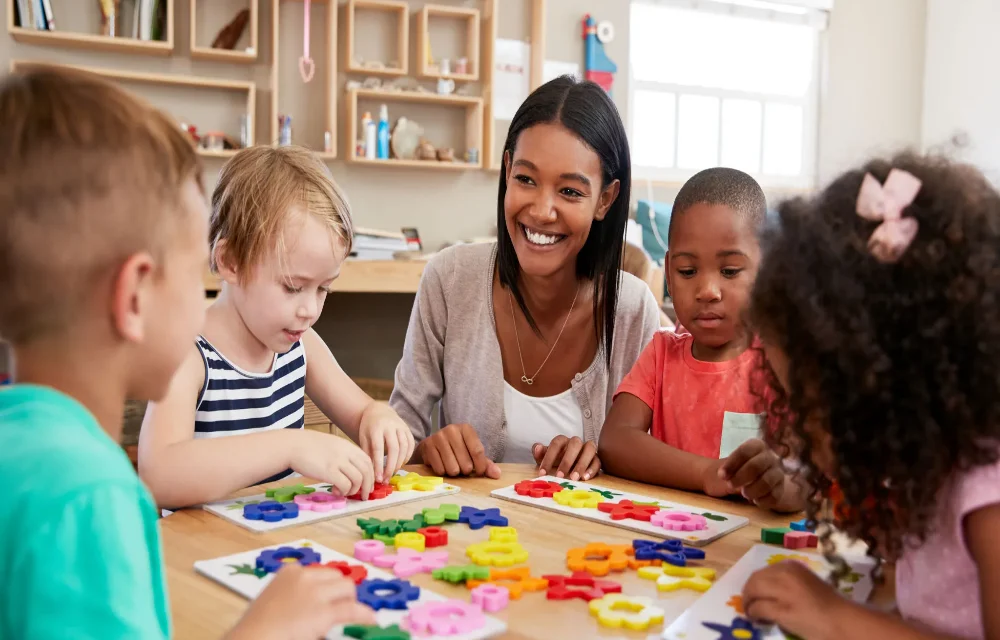
Observation is the cornerstone of assessment in early education, allowing teachers to gather real-time, naturalistic information on children’s abilities, behaviors, and interactions. Educators systematically watch and record children during routines, play, and structured activities, noting developmental milestones, engagement levels, skills demonstrated, and social behaviors. This informal yet intentional assessment provides rich qualitative data about each child’s learning process. Observations allow immediate modification of teaching strategies and offer a nuanced understanding of children’s strengths and needs. This method respects the developmental pace of each child and avoids the stress and artificiality of formal tests.
Anecdotal Records and Documentation
Anecdotal records complement observations by capturing detailed narratives or specific instances of children’s learning and behavior. Teachers write descriptive accounts of notable events, challenges, or breakthroughs, forming a valuable archive over time. These records provide context and illustrate progress in areas such as problem-solving, language use, cooperation, or emotional responses. Documentation also includes samples of children’s work, photos, videos, and drawings, creating a comprehensive portfolio that showcases growth. This multi-dimensional approach supports reflective practice by educators and facilitates meaningful conversations with families about their child’s development.
Formative Assessment and Continuous Feedback
Formative assessment in early childhood education involves ongoing evaluation designed to inform teaching and support learning in real-time. Teachers use data from observations and documentation to identify emerging skills, learning gaps, and children’s interests. This feedback guides planning of individualized or group lessons, ensuring responsiveness to current developmental needs. Unlike summative assessments, formative methods emphasize process over products, focusing on fostering growth rather than assigning grades. Continuous assessment maintains flexibility within the curriculum and promotes a supportive, adaptive learning environment where children are encouraged to explore and develop confidently.
Use of Checklists and Rating Scales
To bring structure to observations, teachers often employ checklists or rating scales aligned with developmental milestones or curricular goals. These tools help quantify the presence of specific skills or behaviors, making it easier to track progress objectively across multiple domains. Checklists might cover language milestones, motor skills, social interactions, or self-help abilities. This supports systematic assessment and facilitates comparison over time or against expected developmental norms. Rating scales allow teachers to assess the quality or consistency of behaviors, offering nuanced insights beyond simple yes/no criteria. These tools complement narrative records and enhance assessment reliability.
Developmental Screenings and Standardized Tools
While early education primarily utilizes informal assessments, developmental screenings and standardized tools are valuable for identifying children who may need additional support. Screenings provide a quick snapshot of developmental status in areas such as cognition, speech, motor skills, and social behavior and flag potential delays or concerns. Standardized assessments, though less common in early childhood, offer comparability against normative samples and assist in eligibility decisions for specialized services. However, these tools are typically used alongside authentic assessment methods, considering individual and cultural differences to avoid misinterpretation and over-identification.
Involving Families in the Assessment Process
Family engagement is essential in assessing learning outcomes for young children. Parents and caregivers provide critical insights about children’s abilities, preferences, and behavior in home contexts. Sharing observations, anecdotal records, and assessment findings with families fosters collaboration that strengthens child support. Educators encourage family participation through conferences, portfolios, and regular communication, ensuring transparency and shared goal-setting. Involving families not only enriches the accuracy of assessment but also empowers caregivers as active participants in their children’s learning journey.
Documentation for Reflective Practice and Curriculum Planning
Assessment is not only about measuring outcomes but also serves as a tool for educators’ reflective practice and curriculum planning. Systematic documentation of learning experiences helps teachers evaluate the effectiveness of teaching strategies and curriculum relevance. Analyzing assessment data prompts adaptation and creativity in lesson design to better meet children’s evolving needs. Documentation also provides a base for professional dialogue among staff, enhancing collective knowledge and pedagogical improvement. Through this cyclical process, assessment drives continuous quality enhancement in early learning environments.
Assessment as a Supportive and Developmentally Appropriate Process
Effective assessment in early education prioritizes developmental appropriateness, ensuring tools and methods match children’s age, language, cultural background, and abilities. The process focuses on building confidence and curiosity rather than pressure or competition. By respecting children’s individuality and offering multiple pathways to demonstrate learning, teachers foster a positive perspective on assessment. The goal is to support and celebrate each child’s growth while identifying areas for targeted intervention. This empathetic and comprehensive approach creates an inclusive environment where assessment is a natural extension of teaching and learning.
Conclusion
Teachers assess learning outcomes in early education through a blend of observation, documentation, formative feedback, structured tools, and family collaboration. These methods provide a holistic, dynamic understanding of children’s developmental progress across cognitive, social, emotional, and physical domains. Assessment informs individualized instruction, curriculum planning, and intervention, ensuring that learning experiences are responsive and meaningful. By prioritizing developmentally appropriate, supportive, and inclusive assessment practices, educators nurture positive learning trajectories and contribute to the overall well-being and success of young children.
Hashtags
#EarlyChildhoodAssessment #LearningOutcomes #ChildDevelopment #ObservationInEducation #FormativeAssessment #ChildCenteredLearning #DevelopmentalScreening #FamilyEngagement #EducationalDocumentation #InclusiveAssessment #CurriculumPlanning #HolisticEducation #AuthenticAssessment #TeacherReflection #ChildProgress #AssessmentTools #IndividualizedLearning #EarlyLearning #AssessmentForLearning #EducationalBestPractices #DevelopmentalMilestones #CommunicationWithFamilies #ClassroomAssessment #LearningJourney #EarlyEducation