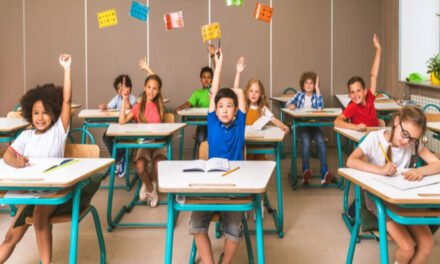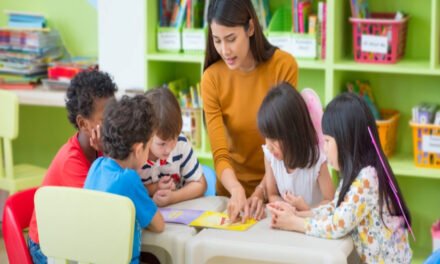

The global movement promoting early learning as a human right has gained significant momentum in recent years, highlighting the essential role of quality early childhood education (ECE) in the realization of children’s rights and lifelong development. International bodies, including the United Nations, affirm that access to inclusive, equitable early learning is not merely a policy choice but an inalienable right intrinsic to human dignity and fundamental development. This recognition aligns with the Convention on the Rights of the Child (CRC) and Sustainable Development Goals (SDG 4.2), which together urge countries to ensure that every child has access to quality early education.
Child advocates worldwide amplify this call, stressing that early childhood education should be free, inclusive, and universally accessible regardless of socio-economic status or geographic location. Surveys involving thousands of children from multiple countries have underscored the significance of pre-primary education as a critical stage that prepares children for formal schooling, narrowing inequalities and fostering social inclusion. The movement emphasizes that educational opportunities must be detached from families’ ability to pay to ensure fairness and uphold children’s rights globally.
Policy discussions at the United Nations and other multilateral forums now increasingly include early childhood education as a cornerstone of human rights and social equity frameworks. Proposed international protocols aim to legally obligate nations to provide at least one year of free, quality pre-primary education in addition to universal primary and secondary schooling. These proposals recognize that investing in early learning is not only a moral imperative but also a strategic social investment that drives economic growth, gender equality, and community resilience.
Despite encouraging advancements, major challenges remain in addressing disparities in access, quality, and funding for early education, especially in low- and middle-income countries. Marginalized groups, including children with disabilities, indigenous populations, and migrants, often face persistent barriers. The movement calls for strengthened governance, sustained financing, a qualified workforce, family engagement, and robust data systems to monitor progress and accountability. Ultimately, it envisions a future where quality early learning is guaranteed as a fundamental human right, laying the foundation for lifelong well-being and equitable societies.