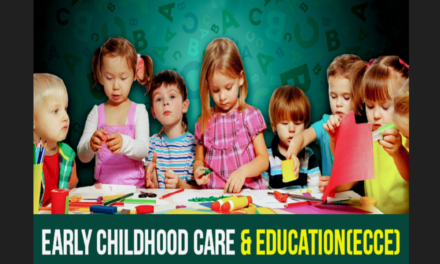


Governments worldwide are increasingly recognizing the critical importance of Early Childhood Education (ECE) and are prioritizing it within their national policies. This focus is driven by extensive research emphasizing that the early years are foundational for brain development, lifelong learning, and well-being, as up to 85% of brain growth occurs before the age of six. Consequently, governments are developing comprehensive strategies designed to improve access, quality, and equity in early childhood programs.
National policies now often include structured, evidence-based frameworks for Early Childhood Care and Education (ECCE), aiming to ensure that all children receive nurturing, stimulating, and inclusive educational experiences. These initiatives go beyond merely establishing preschools; they encompass holistic approaches including health, nutrition, family support, and community engagement. Many countries commit to integrating ECCE within the broader education system to support smooth transitions into formal schooling, enhancing overall learning outcomes.
Governments are also addressing workforce challenges by promoting professional development for early childhood educators, raising qualification standards, and improving working conditions. By investing in educator training and career pathways, policies seek to build a skilled and motivated workforce capable of delivering high-quality education tailored to young children’s developmental needs. Additionally, funding reforms are underway to make early childhood education more affordable and accessible, with some countries implementing universal and targeted subsidies to support disadvantaged families and reduce inequalities.
Another important aspect of these new policies is the emphasis on inclusive education and targeted support for children with special needs or those living in vulnerable conditions. Governments are designing interventions that prioritize equity, ensuring that early education services reach marginalized populations, including those affected by poverty, disability, or social exclusion. Furthermore, collaborative approaches are encouraged, involving partnerships between governments, communities, families, and service providers to create supportive environments that foster children’s growth and well-being holistically.
In summary, contemporary national policies position Early Childhood Education as a cornerstone for social and economic development, focusing on universal access, improved quality, equity, and robust support systems. These policies reflect a global consensus that investing in the early years yields substantial returns, empowering children to achieve their full potential and contributing to the broader societal good.