

Flexible and Accessible Physical Layouts
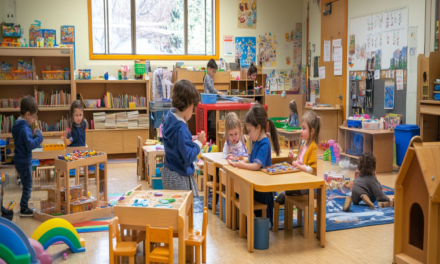
- Inclusive education has led classrooms to adopt flexible layouts that accommodate diverse mobility and sensory needs.
- Furniture arrangements facilitate different learning activities, promoting collaboration and individualized support.
- Spaces are designed to avoid barriers, allowing easy movement for children with disabilities.
- Seating options include alternatives like floor cushions, adjustable chairs, and quiet zones.
- Classroom design ensures all children have clear views and access to learning materials.
Sensory-Friendly and Multi-Sensory Environments
- Classrooms incorporate sensory considerations such as controlled lighting, soundproofing, and tactile materials.
- Quiet areas and calm-down corners provide sensory breaks for children with sensory processing challenges.
- Visual aids, signs, and schedules support varied learning preferences and communication needs.
- Multi-sensory tools help engage students with diverse abilities in active learning.
- Sensory design fosters emotional regulation and focus for all learners.
Supportive Technology Integration
- Assistive technologies like speech-to-text, hearing devices, and interactive apps enhance participation.
- Digital resources accommodate varying learning styles and provide personalized learning pathways.
- Technology helps bridge communication gaps for non-verbal or language-diverse students.
- Classrooms are equipped with adaptive tools to support fine and gross motor skills.
- Integration of technology aligns with inclusive goals for equitable access.
Promoting Social Interaction and Collaboration
- Inclusive designs encourage group work and peer-to-peer learning through flexible grouping arrangements.
- Classroom layouts facilitate teacher-student and peer support interactions.
- Spaces support cooperative play and social-emotional learning activities.
- Environments promote a sense of belonging and community for all children.
- Collaboration zones help develop communication and leadership skills.
Teacher and Family Engagement Spaces
- Classrooms provide areas for educators to implement differentiated instruction and individualized support.
- Spaces are designed for meaningful family involvement and communication.
- Teacher resource areas include materials for culturally responsive and inclusive teaching practices.
- Flexible use of space allows for adjustments based on student needs and feedback.
Engagement zones reinforce partnerships between school and home supporting inclusive education.