
Introduction
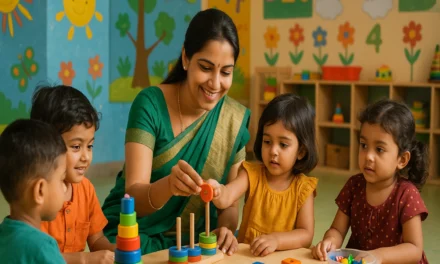
Active learning in early childhood education is a dynamic and participatory approach where children engage directly with materials, ideas, and peers in meaningful ways. It shifts the role of learners from passive recipients of information to active constructors of knowledge through exploration, experimentation, and interaction. This approach aligns with young children’s natural curiosity and developmental needs, supporting holistic growth across cognitive, social, emotional, and physical domains. By fostering inquiry, collaboration, and creativity, active learning nurtures critical thinking and a lifelong love of learning. Understanding its principles, practices, and benefits offers a framework for educators to create engaging, effective early learning environments that empower every child to thrive.
Core Principles of Active Learning
Active learning centers on several foundational principles: learning is an active process involving exploration and interaction; knowledge is constructed through experience; and meaningful learning connects new information to existing knowledge. It emphasizes children’s agency, allowing them to initiate questions, direct investigations, and seek solutions. The approach recognizes that children learn best when engaged physically, cognitively, and emotionally. Active learning values process over rote memorization, prioritizing understanding, skill development, and application. It also acknowledges the social nature of learning, encouraging collaboration and communication as pathways to deeper comprehension and social competence.
Play-Based Learning as Active Learning in Early Childhood
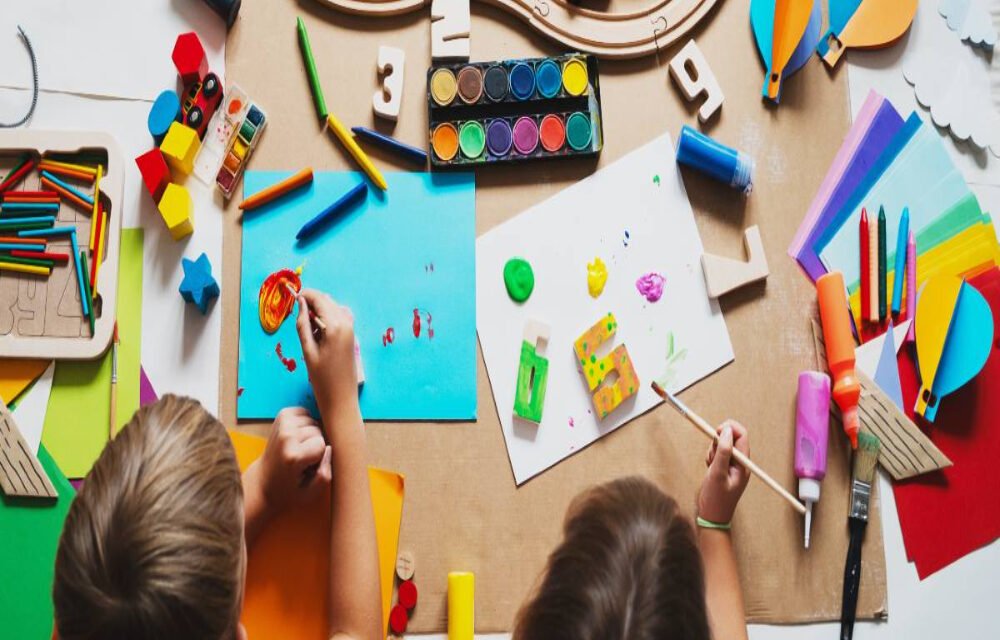
Play-based learning is one of the most recognized forms of active learning in early education. Through play, children explore materials and ideas freely, testing hypotheses and expressing creativity. Play offers rich sensory experiences, language use, and social interaction that develop multiple skills simultaneously. Whether imagining scenarios with peers, building with blocks, or engaging in pretend play, children engage cognitively and experientially. Play-based environments foster motivation, persistence, and joy, seamlessly integrating learning with natural behaviors. Through guided and open-ended play, active learning supports holistic development tailored to individual interests and pace.
Inquiry and Problem-Solving Approaches
Inquiry-based learning invites children to take a leading role in investigating questions, exploring phenomena, and drawing conclusions. This process stimulates critical thinking, scientific reasoning, and curiosity. Teachers facilitate by providing materials, prompting reflection, and encouraging communication of ideas. Problem-solving tasks develop resilience, creativity, and logical thinking. For example, children might explore water flow, plant growth, or social dilemmas through hands-on experimentation and discussion. These active strategies empower children to construct knowledge authentically, building confidence in their intellectual capabilities.
Collaborative Learning and Social Engagement
Active learning promotes collaboration as children work in pairs or groups to share ideas, negotiate roles, and achieve common goals. Cooperative activities foster communication, empathy, leadership, and teamwork skills. Social interaction enhances learning by exposing children to diverse perspectives and encouraging mutual support. Educators use group projects, discussions, and games to strategically develop social competence alongside academic content. Collaborative experiences prepare children for lifelong interpersonal success while enriching cognitive engagement through collective problem-solving and creativity.
Enhancing Motor and Sensory Development
Active learning is deeply intertwined with physical activity in early childhood. Gross and fine motor skills develop through climbing, running, drawing, manipulating objects, and other hands-on tasks essential for brain maturation and coordination. Activities that stimulate multiple senses—touch, sight, hearing, smell, and movement—enhance sensory integration and cognitive processing. Providing a rich sensory-motor environment supports active exploration and sensory regulation. This multisensory engagement strengthens neural pathways crucial for learning and overall development.
Role of the Educator in Active Learning
Educators serve as facilitators and guides in active learning environments, rather than mere transmitters of knowledge. They observe children to understand individual needs and interests, intentionally design learning experiences, and scaffold interactions to extend thinking. Teachers create safe, responsive settings that encourage risk-taking and curiosity. By balancing structure with freedom, educators empower children to take ownership of their learning journeys. Professional skill in promoting inquiry, reflection, and collaboration is essential to maximize active learning’s benefits while maintaining developmental appropriateness.
Assessment and Reflection in Active Learning
Assessment in active learning emphasizes formative, authentic, and ongoing evaluation rather than standardized testing. Educators document children’s engagement, problem-solving approaches, collaboration, and creative expressions to gauge understanding and growth. Reflective practices help children verbalize their thinking, recognize progress, and motivate further exploration. This assessment informs instructional planning, allowing teachers to individualize support and adjust challenges. Active learning assessments celebrate process and effort, reinforcing the value of active participation as a core element of meaningful education.
Conclusion
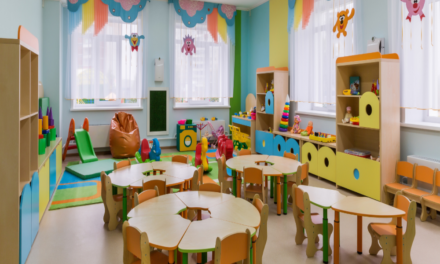
Active learning in early childhood education transforms the classroom into an engaging, interactive space where children construct knowledge through inquiry, play, collaboration, and sensory experiences. It fosters critical thinking, creativity, social competence, and motor development by aligning learning with children’s natural tendencies and developmental stages. The educator’s role is pivotal in facilitating environments that encourage exploration, reflection, and shared learning. Through continuous observation and formative assessment, active learning supports personalized and impactful educational experiences. Embracing active learning principles sets the foundation for lifelong curiosity, confidence, and success.
Hashtags
#ActiveLearning #EarlyChildhoodEducation #PlayBasedLearning #InquiryBasedLearning #CollaborativeLearning #ChildDevelopment #CriticalThinking #MotorSkillsDevelopment #SensoryIntegration #TeacherFacilitation #FormativeAssessment #ChildCenteredLearning #EducationalEngagement #CreativityInKids #SocialSkillsDevelopment #HolisticEducation #LearningThroughPlay #ObservationInEducation #ReflectionInLearning #EmpoweredLearners #CognitiveGrowth #LifelongLearning #InclusiveEducation #EarlyYearsLearning #StudentEngagement