
Introduction
Early childhood education is the foundation of a child’s lifelong learning journey, focusing on the critical developmental years from birth to around eight years old. It nurtures cognitive, emotional, social, and physical growth through structured learning experiences and playful exploration. The aim of early education is not confined to academic achievement but extends to the holistic development of children, preparing them to thrive in school and in life. During these formative years, children acquire essential skills such as communication, problem-solving, empathy, and self-regulation, all of which set the stage for future success. Investing in quality early education has long-term benefits for individuals and society, influencing both economic stability and social wellbeing.
Understanding Early Childhood Education
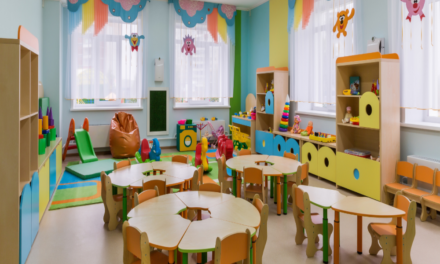
Early childhood education, often abbreviated as ECE, refers to structured and intentional teaching strategies designed for young children. It encompasses both formal and informal learning experiences in settings like preschools, nurseries, and kindergarten programs. The philosophy behind ECE is centered on the idea that children learn best through engagement, play, and interaction. These years represent a period of significant brain development; therefore, the learning environment must be rich, nurturing, and stimulating. Teachers and caregivers play vital roles in guiding children through explorative learning, encouraging curiosity, and fostering creativity. The foundation laid here affects not only academic readiness but also emotional intelligence, self-esteem, and interpersonal relationships throughout life.
The Role of Early Childhood Educators
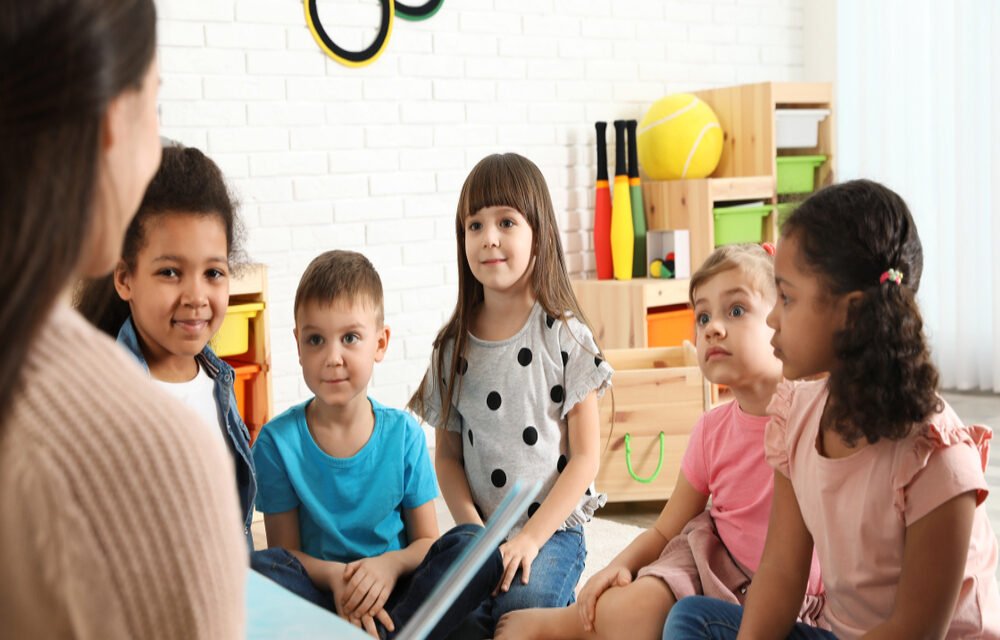
Educators in early childhood settings do far more than instruct basic literacy and numeracy. Their primary role involves creating a secure, inclusive, and supportive atmosphere in which children feel valued and understood. Effective teachers observe and assess individual needs, ensuring that lessons and activities cater to diverse learning styles. Through storytelling, games, music, and art, educators introduce essential concepts while developing children’s communication and critical thinking skills. They act as facilitators rather than mere instructors, guiding discovery and promoting independent thought. The quality of teacher-child interactions directly impacts a child’s motivation and enthusiasm for learning, influencing their academic trajectory and personal confidence.
Cognitive Development in Early Years
The early years mark an extraordinary phase in brain growth, with neural connections forming at an astonishing rate. These connections are strengthened through meaningful interactions and sensory experiences. Cognitive development in early childhood focuses on enhancing memory, reasoning, attention, and understanding of cause and effect. Play-based learning plays a central role in this process, allowing children to experiment, solve problems, and build logical connections. Activities that encourage questioning, exploration, and creativity stimulate higher-order thinking. When children engage in hands-on tasks—like puzzles, block building, and counting games—they develop spatial awareness, pattern recognition, and mathematical reasoning. This cognitive foundation contributes to later academic proficiency and adaptability.
The Importance of Social and Emotional Learning
Alongside cognitive growth, social and emotional learning forms the emotional backbone of a child’s personality. These aspects determine how children perceive themselves, relate to others, and navigate challenges. In early education classrooms, children learn empathy, cooperation, patience, and respect for diversity. They begin to recognize emotions in themselves and others, which helps them regulate behavior and develop healthy social bonds. Teachers model appropriate interaction and conflict resolution techniques, reinforcing positive communication and teamwork. Emotional learning empowers children to build resilience and cope with stress, both critical for their overall mental health. A strong emotional foundation enhances self-confidence and instills a lifelong enthusiasm for learning.
Parental Involvement in Early Education
Parents are children’s first educators, and their participation in early learning significantly enhances educational outcomes. When parents engage in activities such as reading together, discussing daily events, and encouraging curiosity, they bridge the gap between home and school learning. Research consistently shows that children whose parents are involved in their education demonstrate improved language acquisition, emotional stability, and academic performance. Early childhood programs that foster parent-teacher partnerships create a consistent support system for children. Open communication channels between educators and families ensure that every child’s needs are understood and met effectively. This collaboration reinforces the idea that learning is a continuous process that extends beyond classroom walls.
The Role of Play in Learning
Play is not merely entertainment for children; it is their natural mode of comprehension and expression. Through play, they experiment with ideas, test boundaries, and make sense of their world. Playful learning integrates cognitive, physical, and emotional development in dynamic ways. Structured play, such as guided activities and group games, cultivates cooperation, listening, and goal-oriented behavior. Unstructured play, on the other hand, encourages spontaneity and imagination. It is through pretend play that children explore roles, build empathy, and practice problem-solving. Teachers who integrate play-based methodologies recognize that engagement through joy and discovery fosters intrinsic motivation, which fuels lasting interest in learning.
Balancing Academic and Life Skills
While literacy and numeracy remain cornerstones of early education, modern systems increasingly acknowledge the importance of life skills. Early education programs emphasize communication, social adaptability, self-control, and decision-making alongside academic concepts. These competencies form the basis for personal success in later years. Activities that encourage teamwork, leadership, and responsibility enhance a child’s sense of agency. Learning how to manage emotions, follow routines, and make thoughtful choices also equips children for challenges in higher education and adult life. The integration of academic and life skills ensures that education nurtures well-rounded individuals capable of contributing meaningfully to society.
Equity and Inclusion in Early Childhood Education
Inclusive education is a cornerstone of fairness and compassion in modern pedagogy. Every child, regardless of background, ability, or circumstance, deserves equal access to quality learning experiences. Early education programs that champion inclusion promote understanding and tolerance from the earliest stages of development. Teachers trained in inclusive practices ensure that curriculum design accommodates diverse learning needs, cultural differences, and developmental variations. Inclusive classrooms encourage cooperation, acceptance, and mutual respect. They reduce stigma and foster empathy, helping children appreciate diversity as a source of strength. When every learner is included and supported, education becomes a platform for social justice and empowerment.
Economic and Social Benefits of Early Childhood Education
The societal benefits of investing in early childhood education extend far beyond individual development. Numerous studies indicate that children who receive quality early education are more likely to succeed academically, avoid delinquency, and contribute positively to the workforce. Economically, early education reduces long-term social costs associated with crime, unemployment, and health disparities. Governments that prioritize early learning initiatives reap lasting dividends in national productivity and social cohesion. Moreover, accessible early education helps reduce poverty cycles by giving children from disadvantaged backgrounds a fair start. An educated population strengthens communities and lays the groundwork for sustained national progress.
Challenges and the Way Forward
Despite its acknowledged importance, early childhood education faces several challenges globally. Limited funding, inadequate teacher training, and unequal access often hinder program quality. Some regions suffer from overcrowded classrooms and outdated curricula that fail to meet the developmental needs of children. Addressing these issues requires government commitment, community involvement, and evidence-based policy reforms. Teacher professional development, investment in infrastructure, and standardized quality benchmarks are crucial steps forward. Additionally, integrating technology thoughtfully can enrich learning experiences without replacing human interaction. As societies evolve, so must the approach to early education—adapting to cultural, economic, and scientific changes to remain effective and relevant.
Conclusion
Early childhood education is not a privilege but a necessity. It lays the foundation for a child’s intellectual, social, and emotional growth, directly influencing their future achievements and contributions to society. The early years form a crucial window for building curiosity, creativity, and resilience—qualities indispensable in the modern world. By investing in high-quality programs, societies nurture generations equipped with the skills and values needed for life-long learning. Teachers, parents, and policymakers share the collective responsibility of ensuring that every child experiences nurturing, inclusive, and stimulating early education. The true strength of a nation begins with the quality of care and learning provided in a child’s earliest years.
Hashtags
#EarlyChildhoodEducation #ChildDevelopment #LearningThroughPlay #PreschoolEducation #HolisticDevelopment #EducationMatters #EarlyLearning #ParentInvolvement #CognitiveGrowth #SocialSkills #EmotionalLearning #InclusiveEducation #TeachingChildren #EarlyYears #BrainDevelopment #LifelongLearning #QualityEducation #EducationForAll #FutureGeneration #ChildhoodPrograms #LearningEnvironment #TeacherTraining #PlayBasedLearning #ChildEmpowerment #EducationalGrowth