
Introduction
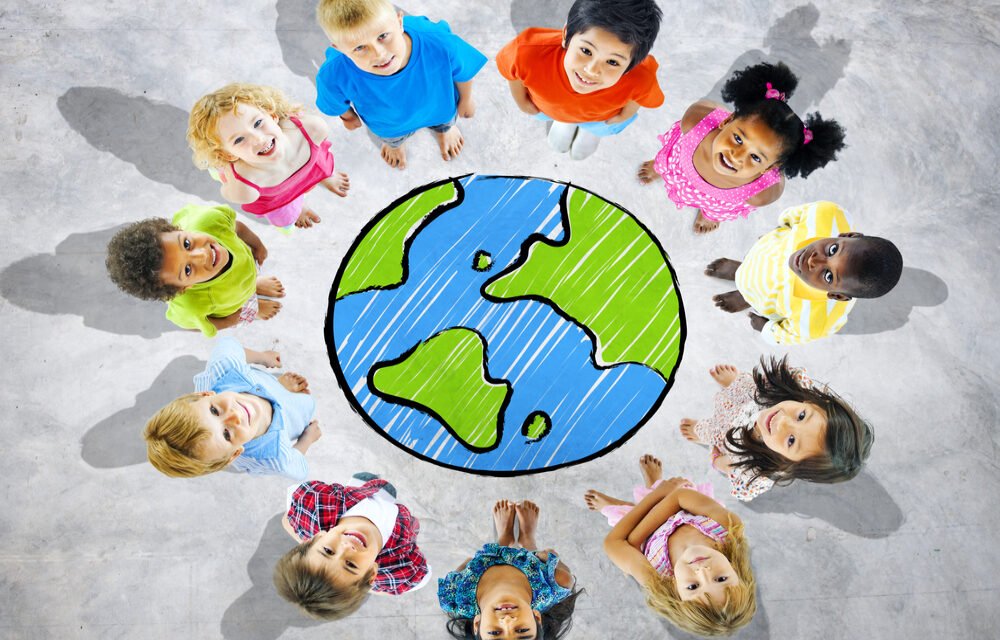
Multicultural awareness in early learning is a crucial aspect of fostering inclusive, respectful, and equitable educational environments for young children. As societies become increasingly diverse, children encounter peers, families, and community members from a variety of cultural, linguistic, and ethnic backgrounds. Early childhood education settings are unique spaces where foundational attitudes, values, and understandings about diversity and identity are formed. Multicultural awareness involves recognizing and valuing cultural differences, promoting empathy, and preparing children to thrive in a culturally pluralistic world. This introduction explores the significance of multicultural awareness in the early years as fundamental to children’s social, emotional, and cognitive development.
Defining Multicultural Awareness in Early Childhood
Multicultural awareness encompasses knowledge, attitudes, and skills that enable children to understand, respect, and appreciate cultural diversity. It goes beyond surface-level recognition of differences such as skin color or language to include deep respect and curiosity about diverse traditions, perspectives, and experiences. In early childhood contexts, multicultural awareness involves embedding cultural content into daily learning, interactions, and environment design. It requires teaching children to view diversity positively, challenging biases, and fostering inclusivity. This awareness lays the groundwork for lifelong intercultural competence and social justice values.
The Developmental Importance of Early Multicultural Education
The early years are a critical period for shaping children’s understanding and attitudes toward diversity. Research demonstrates that children notice differences such as race, ethnicity, and language as early as two or three years old and tend to categorize people based on these attributes. Without intentional guidance, children risk absorbing societal stereotypes and biases. Integrating multicultural education in the early years supports the development of empathy, reduces prejudicial attitudes, and cultivates a sense of fairness and justice. Early multicultural awareness supports positive self-identity among children from marginalized backgrounds and broadens empathy among all children.
Curriculum and Pedagogical Strategies
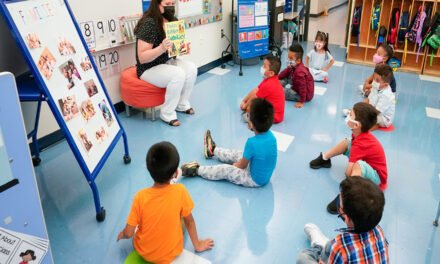
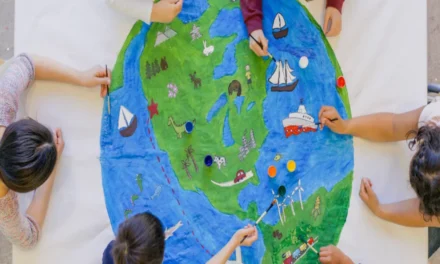
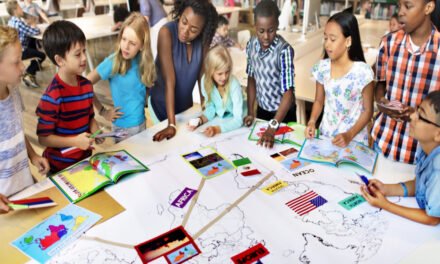
Developing multicultural awareness requires curriculum integration of diverse cultural perspectives across subjects and activities. Storytelling, music, art, and games featuring various cultural traditions expose children to richness beyond their own experience. Pedagogical strategies involve creating inclusive classroom conversations, encouraging children to share their backgrounds, and using culturally relevant teaching materials. Teachers facilitate critical thinking by helping children explore similarities and differences respectfully. These practices not only promote tolerance but nurture critical understanding of systemic inequalities, empathy, and advocacy.
Role of Teachers and Educators
Teachers are pivotal mediators of multicultural awareness, shaping children’s perceptions through their attitudes, language, and interactions. They model inclusive behavior and provide guidance that challenges stereotypes and discrimination. Teachers also foster environments where all children feel valued, respected, and represented in curriculum and activities. They act as cultural brokers, collaborating with families and communities to incorporate authentic cultural knowledge. Educator training in cultural competence and anti-bias education strengthens their capacity to nurture multicultural awareness effectively.
Family and Community Engagement
Inclusive early learning environments actively involve families and communities, inviting diverse voices and traditions into the learning space. Collaborative partnerships enable culturally responsive teaching and build continuity between home and school cultures. Families provide insights into children’s cultural contexts, enriching curriculum relevance. Community resources and events support multicultural celebration and deepen children’s real-world understanding of diversity. Family engagement reinforces equity by respecting and valuing cultural heritage.
Challenges and Barriers to Multicultural Awareness
Despite its importance, implementing multicultural education faces challenges such as lack of resources, educator biases, and institutional resistance. Some educators may feel unprepared to address cultural differences or confront biases. Societal inequalities and tensions may also be reflected in classroom dynamics. Overcoming these barriers requires ongoing professional development, reflective practice, inclusive policy frameworks, and community advocacy. Sustained commitment is needed to shift educational cultures toward genuine equity and inclusion.
Long-Term Impact of Multicultural Awareness in Early Learning
Fostering multicultural awareness in early childhood education has enduring benefits for individuals and society. Children who develop intercultural competence early tend to exhibit greater empathy, open-mindedness, and conflict resolution skills throughout life. They contribute positively to social cohesion and navigate diverse settings with confidence. Early multicultural education promotes healthier identities among marginalized groups and strengthens democratic values of respect and justice. It prepares children for a globalized world where collaboration across differences is essential.
Conclusion
Multicultural awareness in early learning is vital to nurturing respectful, inclusive, and equitable communities in diverse societies. By integrating cultural knowledge, promoting empathy, challenging biases, and engaging families, early childhood education lays essential foundations for social justice and global citizenship. The role of educators, families, and communities is central to this process, supported by reflective, culturally responsive curricular and teaching practices. Multicultural awareness enriches children’s development, empowering them to thrive personally and contribute meaningfully to an interconnected world.
Hashtags
#MulticulturalAwareness #EarlyChildhoodEducation #CulturalDiversity #Inclusion #EquityInEducation #AntiBiasEducation #GlobalCitizenship #CulturalCompetence #EmpathyDevelopment #SocialJustice #InclusiveCurriculum #DiverseClassrooms #TeacherTraining #FamilyEngagement #CommunityPartnerships #ChildDevelopment #RespectForAll #EarlyLearning #InterculturalSkills #IdentityDevelopment #ReflectiveTeaching #BiasReduction #SocialEmotionalLearning #CulturallyResponsiveTeaching #EducationForAll