
Introduction
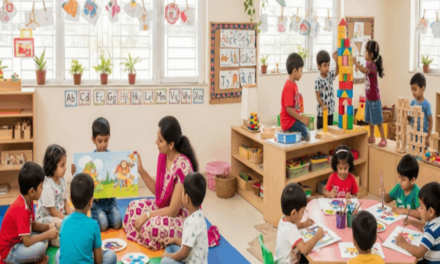
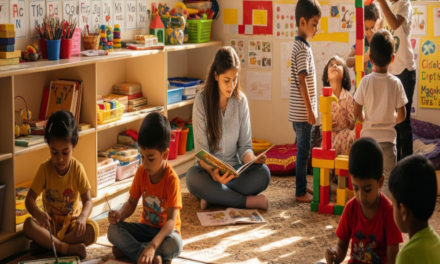
Observation is one of the most fundamental tools used in early childhood education and child assessment. It serves as the foundation for understanding how children grow, learn, and interact with their surroundings. Through systematic observation, educators gain crucial insights into each child’s developmental progress, cognitive skills, social behaviors, emotional well-being, and learning preferences. It is an authentic, natural, and continuous process that focuses on what children do, say, and express during their daily activities. Observation helps teachers to evaluate children in real-time environments rather than relying solely on tests or artificial measures. It allows educators to make informed decisions regarding curriculum design, individualized learning support, and early interventions when needed. In early learning settings, observation thus functions not just as an assessment tool but as a means to understand children as unique individuals whose development unfolds differently yet purposefully within nurturing environments.
Meaning and Purpose of Observation in Child Assessment
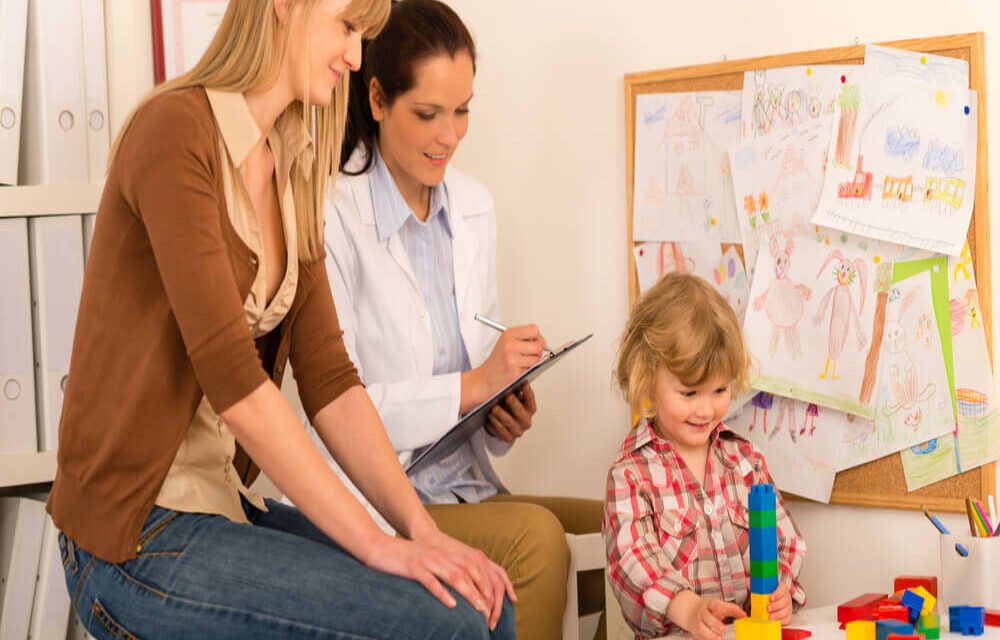
Observation in child assessment refers to the intentional act of watching and recording children’s behavior, interactions, and activities to gain insight into their learning and development. It is not a random or casual act but a purposeful strategy used to collect factual and unbiased information about how children engage with people, objects, and experiences. The primary purpose of observation is to assess developmental milestones, identify individual strengths and needs, and tailor the learning environment to support every child effectively. It allows educators to recognize emerging skills, monitor progress, and detect any developmental concerns early. Moreover, observation provides a holistic view of the child by integrating physical, cognitive, language, social, and emotional aspects of growth. For instance, by observing how a child interacts in a group activity, a teacher can assess communication skills, empathy, problem-solving ability, and self-regulation simultaneously.
Types of Observation Methods
Different observation methods serve various purposes in child assessment, depending on the context, goal, and depth of information required. Anecdotal records capture short, factual descriptions of specific incidents that reflect a child’s behavior or skill. Running records focus on documenting detailed sequences of a child’s actions over a set period, providing a continuous account of how a child interacts in a given scenario. Checklists and rating scales help educators monitor progress against developmental milestones or specific learning outcomes. Time sampling and event sampling techniques allow observers to collect data on how frequently behaviors occur or under what circumstances they appear. Narrative observations, on the other hand, give a holistic story-like picture of a child’s experience or development. Selecting the method depends on what aspect of growth educators want to understand, ensuring that observation remains objective, relevant, and comprehensive.
The Role of the Educator in Conducting Observations
Educators play a central role in ensuring that observations are accurate, ethical, and purposeful. They must approach observation with a neutral mindset, avoiding subjective judgments or personal bias. Skilled teachers prepare observation sessions carefully, determining which behaviors or skills to focus on and selecting appropriate settings for accuracy. An essential quality in effective observation is patience—teachers must wait, watch, and interpret behaviors without interference. Educators should also be sensitive to cultural and individual differences, recognizing that developmental pathways and expressions of learning can differ across children. The goal is not to label or compare but to understand. Teachers must document what they actually see and hear rather than what they assume or expect. This professional objectivity transforms observation into a reliable assessment tool, leading to well-informed educational planning and individualized care.
Observation as a Basis for Curriculum Planning
Observation serves as a direct link between assessment and curriculum development in early childhood settings. By observing children’s interests, interactions, and learning patterns, educators can design experiences that are relevant, challenging, and developmentally appropriate. For instance, if a teacher notices a group of children frequently engaging in pretend play around building and construction, that observation can inspire lessons about architecture, balance, or teamwork. Observation, therefore, allows educators to adapt the curriculum dynamically to follow children’s curiosity and developmental readiness. It fosters a child-centered approach in which learning activities evolve from real observations rather than predetermined content alone. Furthermore, when observations are shared among teaching teams, they help maintain consistency and collective understanding of each child’s learning journey. Thus, observation functions as a feedback mechanism connecting learning experiences to children’s actual developmental needs.
Benefits of Observation in Early Childhood Assessment
Observation as an assessment tool offers several advantages that make it indispensable in early learning environments. It allows for a natural assessment process that does not disrupt the child’s routine or create anxiety. Through observation, educators can collect ongoing evidence of learning progress over time, giving a more complete picture of development than standardized tests. It promotes individualization, as teachers can identify unique learning styles and adapt teaching strategies accordingly. Observation also strengthens communication between educators and families, as documented findings can be shared to support collaborative decision-making regarding a child’s development. Additionally, it helps in early detection of developmental delays or social-emotional concerns, leading to timely intervention. The non-intrusive, reflective nature of observation makes it both child-centered and educator-friendly, ensuring that assessment remains a continuous part of daily learning.
Challenges and Ethical Considerations in Observation
Although observation is a valuable tool, it presents challenges that educators must navigate thoughtfully. Observations can be influenced by personal interpretations if teachers do not maintain objectivity. Recording every behavior consistently requires time, focus, and training. Additionally, children’s behavior can change when they are aware of being observed, which may distort natural outcomes. Ethical considerations are equally important—confidentiality must always be maintained, and information gathered about a child should be handled sensitively and used solely for developmental purposes. Parents and guardians should be informed about the observation process, and consent must be secured for documentation, especially when photos or videos are used. Moreover, observations should respect children’s dignity and privacy, ensuring that no child is unfairly labeled or compared. Training educators in observational ethics and techniques minimizes these risks and enhances the reliability of findings.
Linking Observation to Developmental Theories
Observation aligns closely with various developmental theories that influence early childhood education practices. The theories of Jean Piaget, Lev Vygotsky, Erik Erikson, and Maria Montessori all highlight the importance of understanding how children learn through interaction, exploration, and social engagement. Observational assessment allows educators to apply these theories practically by analyzing behaviors within authentic contexts. For example, Vygotsky’s concept of the Zone of Proximal Development emphasizes the role of guided participation in learning; observation helps identify the range of tasks a child can accomplish with and without assistance. Similarly, Piaget’s stages of cognitive development can be validated through observing how children classify objects, solve problems, or engage in symbolic play. Thus, observation bridges theoretical understanding and practical teaching, ensuring that educational decisions reflect how children genuinely learn and grow.
Using Observation to Enhance Communication and Collaboration
Observation not only informs assessment but also strengthens the relationship between educators, parents, and children. When teachers share observational insights with parents, it fosters transparency, trust, and mutual understanding. Parents gain a deeper awareness of their child’s developmental progress and can reinforce learning at home effectively. Collaborative interpretation of observation records between teachers and families ensures continuity between school and home environments. Additionally, children themselves can be involved in the discussion of their observed achievements, promoting self-reflection and pride. Educators also benefit from sharing observational data among colleagues as part of reflective teaching practices. By reviewing observed behaviors collectively, they can refine instructional strategies and ensure that the learning environment remains inclusive, engaging, and adaptive. Observation, therefore, acts as a communication bridge that connects all stakeholders in a child’s education journey.
Integrating Observation into Continuous Professional Practice
Observation is not a one-time task but a continuous element of professional teaching practice. Effective educators weave observation seamlessly into everyday classroom activities, treating it as part of their ongoing dialogue with children’s growth. Maintaining observation journals or digital portfolios enables teachers to track long-term developmental patterns and reflect on their teaching outcomes. These records serve as valuable tools during parent-teacher conferences, team meetings, and educational planning sessions. Reflection on observation findings helps teachers evaluate their teaching methods, classroom environment, and curriculum effectiveness. Therefore, observation not only assesses children but also enhances teachers’ self-assessment and professional development. It cultivates deeper awareness and intentionality in education, making learning more responsive, purposeful, and holistic.
Conclusion
Observation as a tool in child assessment occupies a pivotal place in early childhood education. It provides educators with meaningful insights into each child’s developmental journey by documenting real behaviors in natural settings. Through careful, objective, and continuous observation, teachers can tailor learning experiences, support individual needs, and foster inclusive environments that encourage every child to flourish. It bridges theory and practice, aligns with developmental principles, and strengthens collaboration among educators, families, and children. While challenges exist, thoughtful reflection and ethical practices ensure observation remains reliable and respectful. In essence, observation transforms teaching into a reflective, evidence-based profession centered on children’s growth and well-being. It is both a science and an art—capturing the dynamic process of childhood development in its most authentic and enlightening form.
Hashtags
#ChildAssessment #EarlyChildhoodEducation #ObservationSkills #DevelopmentalAssessment #TeacherRole #EarlyLearning #ChildObservation #EducationalAssessment #LearningThroughPlay #DevelopmentalMilestones #HolisticObservation #PedagogicalTools #ReflectivePractice #ClassroomAssessment #ChildDevelopment #EducatorTraining #ParentTeacherCollaboration #DevelopmentalTheories #EarlyYearsEducation #ObservationalMethods #AuthenticAssessment #InclusiveLearning #ContinuousObservation #ProfessionalPractice #EarlyEducationResearch