

Introduction
Policy frameworks supporting Early Childhood Education (ECE) are vital instruments that guide the provision, regulation, and enhancement of early learning systems worldwide. These frameworks establish formal principles, objectives, and standards that ensure children receive quality care and education during their formative years. By articulating roles for governments, educators, families, and communities, policy frameworks promote cohesive, inclusive, and accessible ECE services. They also align early childhood initiatives with broader social, health, and educational goals, fostering holistic child development and lifelong learning foundations. Understanding these frameworks is essential for stakeholders committed to nurturing young children’s full potential in equitable and sustainable ways.
The Purpose of ECE Policy Frameworks
Early Childhood Education policy frameworks provide strategic direction to optimize developmental outcomes for children from birth to eight years old. They articulate visions for quality, equity, and inclusiveness in early learning environments. Policies define priorities such as curriculum design, teacher qualifications, curriculum delivery, health and nutrition services, and family engagement. By setting benchmarks and accountability mechanisms, policy frameworks facilitate continuous improvement and coherence in the often diverse and fragmented landscape of early childhood programs. They serve as blueprints for coordinated actions among ministries, service providers, and civil society organizations.
Foundational Global Guidelines and Declarations
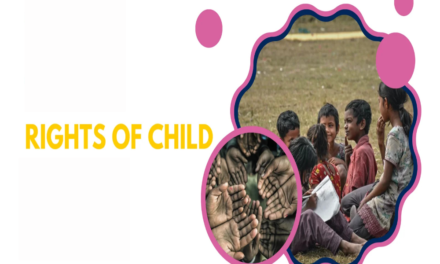
Global organizations such as the United Nations, UNESCO, UNICEF, and WHO have played pivotal roles in shaping ECE policy frameworks. The United Nations Convention on the Rights of the Child (CRC) establishes children’s rights to early care and education, emphasizing non-discrimination and the best interests of the child. The Sustainable Development Goals (SDGs), particularly Goal 4, recognize early childhood care and education as crucial to ensuring inclusive, equitable quality education. The Nurturing Care Framework promotes integrated approaches addressing health, nutrition, responsive caregiving, and early learning. These international instruments provide guiding principles and normative frameworks that countries adapt to their contexts.
National-Level Frameworks and Strategies
Countries develop national ECE policy frameworks to translate global commitments into localized strategies reflecting cultural, social, and economic realities. These national plans typically address governance structures, service delivery, funding mechanisms, staffing standards, and quality assurance processes. Effective national frameworks emphasize cross-sector collaboration, including education, health, social welfare, and family support, to provide comprehensive services addressing children’s holistic needs. They identify vulnerable and marginalized populations, ensuring targeted support and equitable access to early learning opportunities. National strategies also plan for monitoring, evaluation, and research to inform policy refinement.
Curriculum and Pedagogical Principles in Frameworks
Policy frameworks underpin curricular and pedagogical approaches emphasizing child-centered, inclusive, play-based, and developmentally appropriate practices. They advocate for holistic development encompassing cognitive, social, emotional, physical, and language domains. Frameworks promote flexibility to respect children’s individuality, diversity, and learning styles while encouraging inquiry, creativity, and critical thinking. They support continuous professional development for educators, highlighting competencies related to early childhood pedagogy and child rights. Curriculum standards integrated within policy frameworks align foundational skills with primary education readiness.
Family and Community Engagement
Recognizing the vital role of families and communities in child development, ECE policy frameworks emphasize partnerships and shared responsibilities. Policies encourage active participation of parents and caregivers in early learning processes, providing them with guidance and support. Engaging communities fosters culturally relevant programs and strengthens social capital. Family-centered policies promote responsive caregiving and create environments conducive to learning at home. Collaboration extends to community health and social services to ensure integrated support for children and families.
Quality Assurance and Accessibility
To guarantee equitable access and quality, policy frameworks establish standards for infrastructure, teacher-child ratios, safety, and pedagogy. They often mandate licensing, accreditation, and inspection mechanisms to uphold service standards. Equity-focused policies address barriers such as socioeconomic disparities, disabilities, and linguistic diversity to ensure inclusivity. Investment in infrastructure and workforce development is framed as a priority to improve capacity and quality. Funding mechanisms and public-private partnerships are strategically incorporated for sustainability and scale.
Continuous Monitoring, Evaluation, and Research
Policy frameworks underscore the importance of systematic data collection, monitoring, and research to inform decision-making and accountability in ECE. They establish indicators for access, quality, equity, and developmental outcomes. Regular evaluations help assess program effectiveness, inform improvements, and guide resource allocation. Frameworks encourage research collaborations to explore innovative practices and contextual challenges. Evidence-based policies and practices enhance the responsiveness and impact of early childhood education systems.
Conclusion
Policy frameworks supporting Early Childhood Education are foundational to creating equitable, quality, and comprehensive early learning systems worldwide. Rooted in global commitments and tailored to national contexts, these frameworks guide governance, curriculum, quality assurance, and family engagement. They integrate health, nutrition, and social services, ensuring holistic development for all children. By fostering continuous evaluation and collaboration among stakeholders, policy frameworks enable sustainable, inclusive, and effective early childhood education. This structured support is essential for unlocking the potential of every young child and building pathways toward lifelong learning and well-being.
Hashtags
#EarlyChildhoodEducation #ECEPolicy #ChildDevelopment #InclusiveEducation #SustainableDevelopmentGoals #CurriculumFramework #FamilyEngagement #QualityAssurance #EquityInEducation #HolisticDevelopment #NurturingCare #TeacherCompetency #AccessToEducation #GlobalCommitments #NationalStrategies #ProfessionalDevelopment #ChildRights #MonitoringAndEvaluation #CommunityPartnerships #EarlyLearning #LifelongLearning #PublicPolicy #EducationalQuality #DataDrivenDecisions #EarlyIntervention #SocialInclusion