
Introduction
The Montessori approach to Early Childhood Education is an innovative and child-centered educational philosophy developed by Dr. Maria Montessori over a century ago. Rooted in scientific observation and respect for each child’s individuality, the Montessori method emphasizes self-directed learning, hands-on experiences, and holistic development. Unlike traditional education models that often impose rigid structures, the Montessori philosophy fosters an environment where children freely explore at their own pace, guided by an attentive educator. This approach nurtures independence, curiosity, and a lifelong love for learning, focusing not merely on academic achievement but on developing confident, capable, and socially responsible individuals. Understanding the foundational principles of Montessori education reveals why it continues to influence early learning worldwide.
Respect for the Child
Central to the Montessori philosophy is profound respect for the child as a unique individual with inherent potential. This respect manifests in recognizing children’s rights to autonomy, choice, and dignity. Montessori educators refrain from interrupting children’s concentration or imposing tasks, instead allowing children to select activities that interest them. This respect also involves trusting children’s natural ability to learn and make decisions. By honoring individual differences, abilities, and learning styles, the Montessori approach cultivates a nurturing relationship where children feel valued and motivated. This principle demonstrates a fundamental shift from teacher-directed learning to a partnership that honors the child’s role as an active participant.
The Absorbent Mind
Maria Montessori identified the early years of life, especially from birth to six years, as a period of “absorbent mind.” During this phase, children effortlessly absorb information from their environment, much like a sponge. This intense learning happens unconsciously as children explore sensory experiences, language, social norms, and cultural knowledge. The Montessori method capitalizes on this powerful capacity by providing rich, varied stimuli tuned to children’s developmental readiness. This principle underscores the importance of a prepared environment that offers purposeful materials enabling children to learn concepts naturally through interaction, observation, and repetition. The absorbent mind forms the foundation for lifelong learning and intellectual growth.
Sensitive Periods in Development
Montessori observed that children pass through “sensitive periods,” windows of opportunity when they are uniquely receptive to acquiring specific skills or knowledge, such as language, order, movement, or social behavior. These periods vary individually and are characterized by focused attention and repetitive engagement with targeted materials. A core component of the Montessori approach involves carefully observing children to identify these moments and providing appropriate resources that support deep learning. Respecting sensitive periods allows education to be personalized, ensuring children develop essential competencies at the optimal time, which enhances confidence and mastery while reducing frustration.
The Prepared Environment
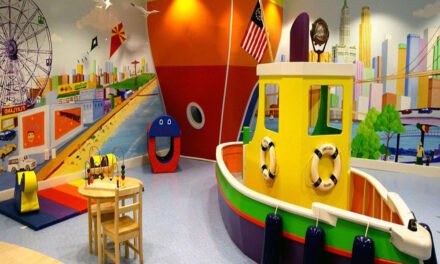
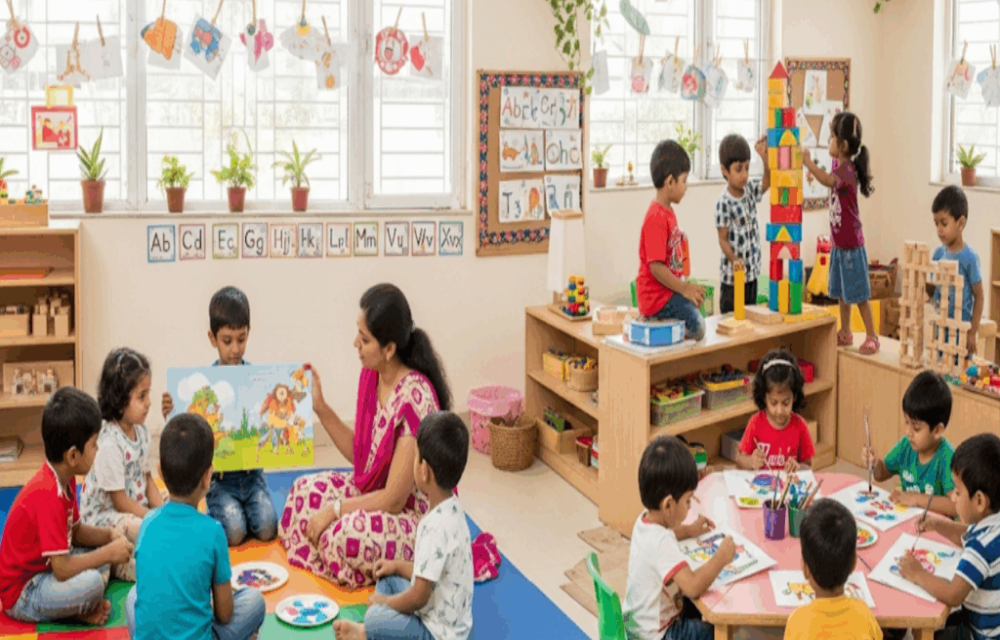
The learning environment is a critical aspect of the Montessori method, designed specifically to promote independence, exploration, and concentration. Montessori classrooms are thoughtfully arranged with clearly defined areas for different types of activities—practical life, sensorial exercises, language, mathematics, and cultural subjects. Materials are accessible, attractive, and child-sized to encourage self-directed interaction. The environment supports freedom within limits by allowing children to move and choose their work while maintaining order and respect. This prepared setting nurtures children’s natural curiosity, self-discipline, and exploration, enabling them to learn through active engagement rather than passive instruction.
Auto-Education and Self-Directed Learning
A hallmark of the Montessori approach is the belief in auto-education, meaning that children have an intrinsic motivation and capacity to teach themselves. Educators act primarily as guides and observers, providing the tools and environment that empower children to learn independently. This method encourages children to experiment, make mistakes, and correct themselves, fostering problem-solving skills and confidence. Self-directed learning allows children to progress at their pace, deepening understanding without pressure or competition. Montessori classrooms thus become dynamic spaces where learning emerges from choice, discovery, and reflection, promoting lifelong self-motivated learners.
Holistic Development Focus
The Montessori philosophy emphasizes educating the whole child—intellectually, physically, socially, and emotionally. Attention is given not only to cognitive skills like literacy and numeracy but also to practical life skills, sensory development, movement, and social interaction. Activities such as cooking, cleaning, caring for the environment, and cooperative play are integral parts of the curriculum. This holistic focus nurtures well-rounded development, preparing children to function effectively in society, develop empathy, and maintain emotional balance. By offering diverse learning experiences that engage the whole child, Montessori education fosters natural growth in multiple domains concurrently.
Role of the Educator
Unlike traditional teacher-led instruction, the Montessori educator functions as a facilitator, observer, and guide rather than a director of learning. Educators carefully prepare the environment, introduce materials thoughtfully, and step back to allow children autonomy, intervening only when necessary to support or redirect. They continuously observe each child to tailor support to individual needs and developmental stages. The teacher respects children’s choices and encourages independence and self-discipline through gentle guidance. This respectful, child-first role fosters a cooperative and peaceful classroom culture designed to meet children’s natural inclinations and developmental rhythms.
Global Influence and Contemporary Relevance
Since its inception, the Montessori approach has become a worldwide educational movement, influencing early childhood education across cultures and settings. Its fundamental principles align with contemporary understandings of brain development, personalized learning, and inclusive pedagogy. Many modern early childhood programs integrate Montessori elements such as prepared environments, hands-on learning, and respect for children’s agency. The approach’s flexibility allows adaptation to different cultural contexts while maintaining its core values. Its relevance endures as educators seek effective methods to nurture autonomy, creativity, and holistic child development in a rapidly changing world.
Conclusion
The Montessori approach to early childhood education is a pioneering, child-centered philosophy that respects each child’s individuality and natural learning process. It harnesses the absorbent mind and sensitive periods through a carefully prepared environment and self-directed learning, promoting autonomy, concentration, and holistic development. Montessori educators serve as facilitators who nurture children’s innate curiosity and potential. With its focus on educating the whole child and empowering self-education, the Montessori method remains a timeless and globally influential model that prepares children for lifelong learning and responsible citizenship in a diverse world.
Hashtags
#MontessoriMethod #EarlyChildhoodEducation #ChildCenteredLearning #AbsorbentMind #PreparedEnvironment #SelfDirectedLearning #SensitivePeriods #HolisticDevelopment #MontessoriEducator #ChildIndependence #HandsOnLearning #EducationalPhilosophy #MontessoriMaterials #RespectForChild #LearningThroughPlay #EarlyYearsLearning #MontessoriClassroom #BrainDevelopment #InclusiveEducation #ChildAutonomy #EarlyLearning #MontessoriPrinciples #LifelongLearning #ChildDevelopment #EducationInnovation